


Survival Guide on Venomous Snakes in Florida
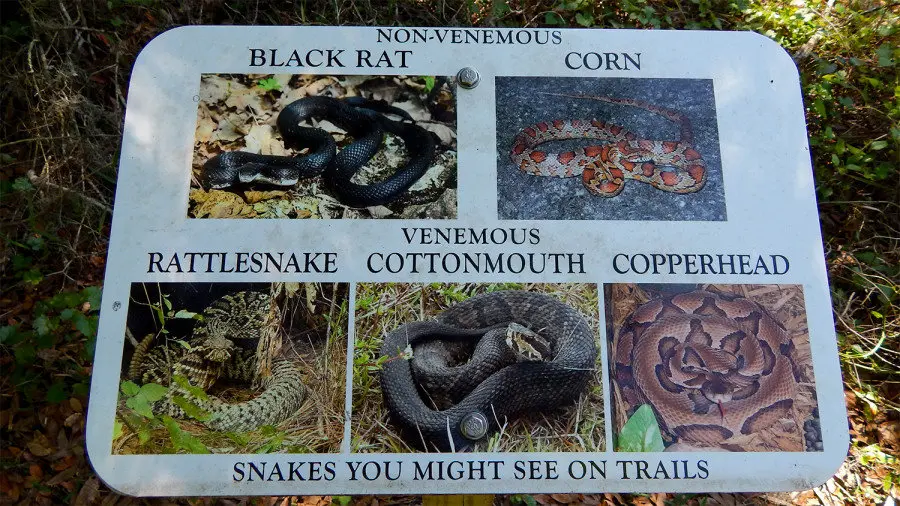
As Florida transitions from winter into spring, warming temperatures draw more people outdoors to enjoy trails, waterways, and wooded areas. Humans, however, are not the only ones responding to the seasonal change. As reptiles emerge from cooler winter conditions, they become more active while regulating their body temperature, increasing the likelihood of encounters between people and snakes.
Understanding which snakes are venomous, how to avoid them, and what to do in the event of a bite can significantly reduce risk and improve outcomes.
Venomous Snakes Found in Florida
Florida is home to four native venomous snake species. While encounters are uncommon, bites can be serious and require immediate medical attention.


4
The four venomous species are:
- Dusky pygmy rattlesnake
- Eastern coral snake
- Florida cottonmouth (water moccasin)
- Eastern diamondback rattlesnake
The severity of a bite depends on multiple factors, including the snake species, the amount of venom injected, the location of the bite, and the size and health of the victim. While potentially life-threatening, most snake bites in Florida are survivable with prompt medical care.
How to Reduce Your Risk of a Snake Bite
Prevention is always the best strategy. When hiking, fishing, camping, or walking near dense vegetation or water, remain aware of your surroundings.
Key prevention tips include:
- Watch where you step and place your hands, especially in tall grass, leaf litter, or rocky areas
- Avoid reaching into brush, logs, or holes where snakes may be hiding
- Remember that snakes rely on camouflage and often remain motionless when threatened
- Do not assume a rattlesnake will always rattle before striking
- Wear tall, thick boots and long pants when outdoors in snake-prone areas
Snakes usually bite defensively when startled or stepped on. Giving them space greatly reduces the risk of an encounter turning dangerous.
What to Do If a Venomous Snake Bite Occurs
If a snake bite does happen, stay calm and act quickly. Panic increases heart rate and can accelerate venom spread.
Immediate First Aid Steps
- Move the person away from the snake to prevent additional bites
- Call 911 immediately or seek emergency medical help
- Limit movement of the affected person to slow venom circulation
- Immobilize the bitten limb using a sling or splint if possible
- Apply a firm pressure bandage if trained to do so
- Remove tight clothing, jewelry, or watches before swelling occurs
- Keep the bite at or slightly below heart level
If possible, note the snake’s color and pattern, but do not attempt to capture or kill it. Medical professionals do not need the snake to provide treatment.
What NOT to Do
Some long-standing myths about snakebite treatment are dangerous and ineffective.
Do NOT:
- Cut the wound or attempt to suck out venom
- Apply a tourniquet
- Use ice or electric shock
- Give alcohol or caffeine
These actions can worsen tissue damage and delay proper treatment.
Stay Calm: Snake Bites Are Rarely Fatal
While venomous snake bites are serious, fatalities are uncommon when prompt medical care is received. Remaining calm, limiting movement, and getting professional help as quickly as possible are the most important actions you can take.
Education, awareness, and preparation dramatically reduce risk. With basic precautions and knowledge, Florida’s outdoors can be enjoyed safely year-round.
🐍 Snake Bite First Aid: Quick Reference
✅ DO
- Move away from the snake immediately to avoid additional bites
- Call 911 or seek emergency medical help right away
- Keep the person calm and still to slow venom circulation
- Immobilize the bitten limb with a sling or splint if possible
- Remove rings, watches, or tight clothing before swelling starts
- Keep the bite at heart level or slightly below
- Note the snake’s color and pattern if it can be done safely
❌ DON’T
- Do NOT cut the wound
- Do NOT try to suck out the venom
- Do NOT apply a tourniquet
- Do NOT use ice, electric shock, or home remedies
- Do NOT give alcohol or caffeine
- Do NOT attempt to capture or kill the snake
⚠️ Remember
Most venomous snake bites are not fatal when treated promptly.
Stay calm, limit movement, and get medical help immediately.
Rewrite by Axe Vale 2026
