


Updated: The Nurse Shortage Is Real — And Florida Is Feeling It
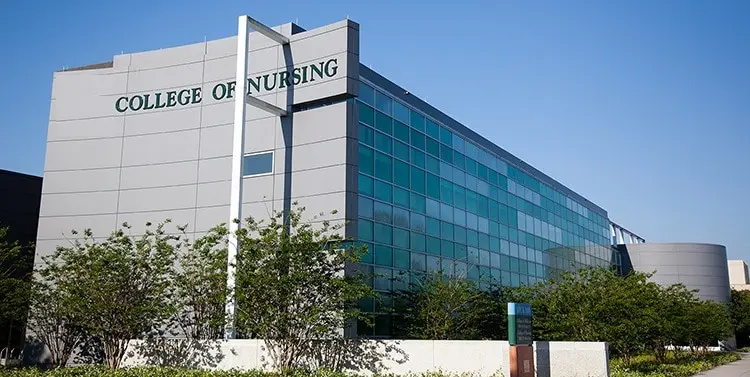
Each year, National Nurses Week is observed from May 6 through May 12, honoring the birth of Florence Nightingale and celebrating the compassion, professionalism, and commitment that define nursing. These values remain the foundation of modern healthcare.
Yet despite the respect and trust nurses earn, Florida continues to face a serious and growing nursing shortage.
State workforce data and nursing workforce studies show that more than 40 percent of Florida’s nurses are approaching retirement age. As experienced nurses leave the workforce, the demand for care continues to rise due to population growth, longer life expectancy, and increased healthcare needs. Without intervention, the shortage threatens access to care and places additional strain on hospitals, long-term care facilities, and outpatient clinics across the state.
Demand Is Outpacing the Supply of New Nurses
For anyone pursuing a nursing career in Florida, job opportunities are plentiful. While nursing school enrollment has increased nationally, it has not kept pace with projected demand.
This gap is not caused by a lack of interest. Nursing remains one of the most popular healthcare career paths, attracting thousands of qualified applicants each year. The challenge lies elsewhere.
Across the country, tens of thousands of qualified nursing applicants are turned away annually, not because they lack ability, but because nursing programs do not have the capacity to educate them. The primary reasons include:
• Faculty shortages
• Limited clinical placement availability
• Budget constraints
• Insufficient classroom and lab resources
In many nursing schools, faculty shortages alone prevent programs from expanding enrollment, even when student demand is high.
The Real Bottleneck: Nursing Educators
At the core of the nursing shortage is a shortage of nursing educators.
Many current nursing faculty members are nearing retirement, and fewer nurses are choosing academic careers. One reason is financial. Advanced practice and clinical roles often pay significantly more than teaching positions, making it difficult for colleges to compete.
As a result, schools struggle to hire and retain qualified instructors, limiting how many students they can accept and graduate.
What Prospective Nurses Can Do
While systemic change is needed, individuals interested in nursing can still take practical steps to enter the field sooner.
When researching nursing programs, consider the following:
Program Structure
Does the program include all required coursework for licensure without lengthy pre-nursing delays?
Campus Availability
Schools with multiple campuses or expanded cohorts often have shorter or no waiting lists.
Flexible Advanced Degrees
If you are already a nurse, look for MSN programs designed for working professionals, including education or leadership tracks.
Transfer Policies
Choose a program that accepts prior college credits so your previous coursework counts toward your degree.
Career Pathways
Programs that support LPN-to-RN or bridge options allow students to enter the workforce sooner while continuing their education.
Transparent Costs
Tuition should clearly include textbooks, lab fees, uniforms, and required materials so there are no surprises.
Choosing a Program You Can Start Now
Given the ongoing demand, it is important to explore nursing programs early and proactively. Some students choose to begin with practical nursing diplomas or associate degrees, gaining experience while working toward higher credentials.
Attending nursing information sessions, speaking with admissions counselors, and understanding waitlist policies can make the difference between starting now or waiting years.
Addressing the Educator Shortage
Long-term solutions must include policy and funding changes that make nursing education careers more attractive. Proposed solutions include:
• Competitive faculty salaries
• Loan forgiveness for nurse educators
• Funding for advanced nursing education
• Expanded bridge and transition programs
Florida educators and technical schools have repeatedly called for legislation that supports career transition pathways, allowing licensed nurses to continue advancing their education and increasing the number of registered nurses statewide.
Moving Forward
The nursing shortage is not a distant problem. It is happening now, and Florida is on the front lines.
Whether you are considering a nursing career, already working in healthcare, or advocating for stronger education systems, being informed is the first step toward change. With thoughtful program selection, policy support, and long-term investment in educators, the cycle can be reversed.
One nurse can make a difference.
Thousands can change the future of healthcare in Florida.
Here are reliable sources you can cite to support the updated article on the nursing shortage (focused on Florida and the national context). These sources include workforce projections, faculty shortages, and enrollment capacity challenges:
Florida-Specific Nursing Shortage Data
- The Florida Center for Nursing reports ongoing demand for Registered Nurses in Florida, with a projected shortage of tens of thousands of RNs over the next decade as supply fails to keep pace with demand.
- Florida lawmakers and health officials have highlighted a projected shortage of nearly 60,000 nurses in the next decade, citing workforce projections and gaps in nursing education capacity.
National Nursing and Faculty Shortage Data
- The American Association of Colleges of Nursing (AACN) reports that U.S. nursing schools turned away more than 65,000 qualified applicants in 2023 due to insufficient faculty and other resource limitations, and that nursing faculty vacancy rates remain a challenge.
- National data show nursing faculty shortages continue to limit enrollment capacity in nursing programs across the U.S., affecting the ability to educate enough new nurses.
- Nationwide projections indicate that the nursing workforce supply is not keeping up with demand, with registered nurses remaining in shortage and openings continuing through 2034.
Additional Relevant Context
- National workforce trend data show that nursing faculty—and healthcare workers generally—are aging and will contribute to ongoing workforce turnover, underscoring the importance of investments in nurse education and retention.
Updated by Troy Bowman 2026
Key Takeaways
- National Nurses Week celebrates the nursing profession, yet Florida faces a severe nursing shortage due to high retirement rates and rising demand.
- More than 40% of Florida’s nurses are nearing retirement, while nursing school enrollment does not keep pace with demand.
- The nursing educator shortage exacerbates the problem, as many faculty are also nearing retirement and higher salaries in clinical roles attract nurses away from teaching.
- Prospective nurses should explore flexible programs and transparent costs to begin their careers sooner, while addressing the educator shortage requires systemic changes.
- Immediate action and informed choices can help mitigate the nursing shortage and improve healthcare access in Florida.
