

Workplace CPR Training Can Save Lives—and Reduce Risk – Updated 2026
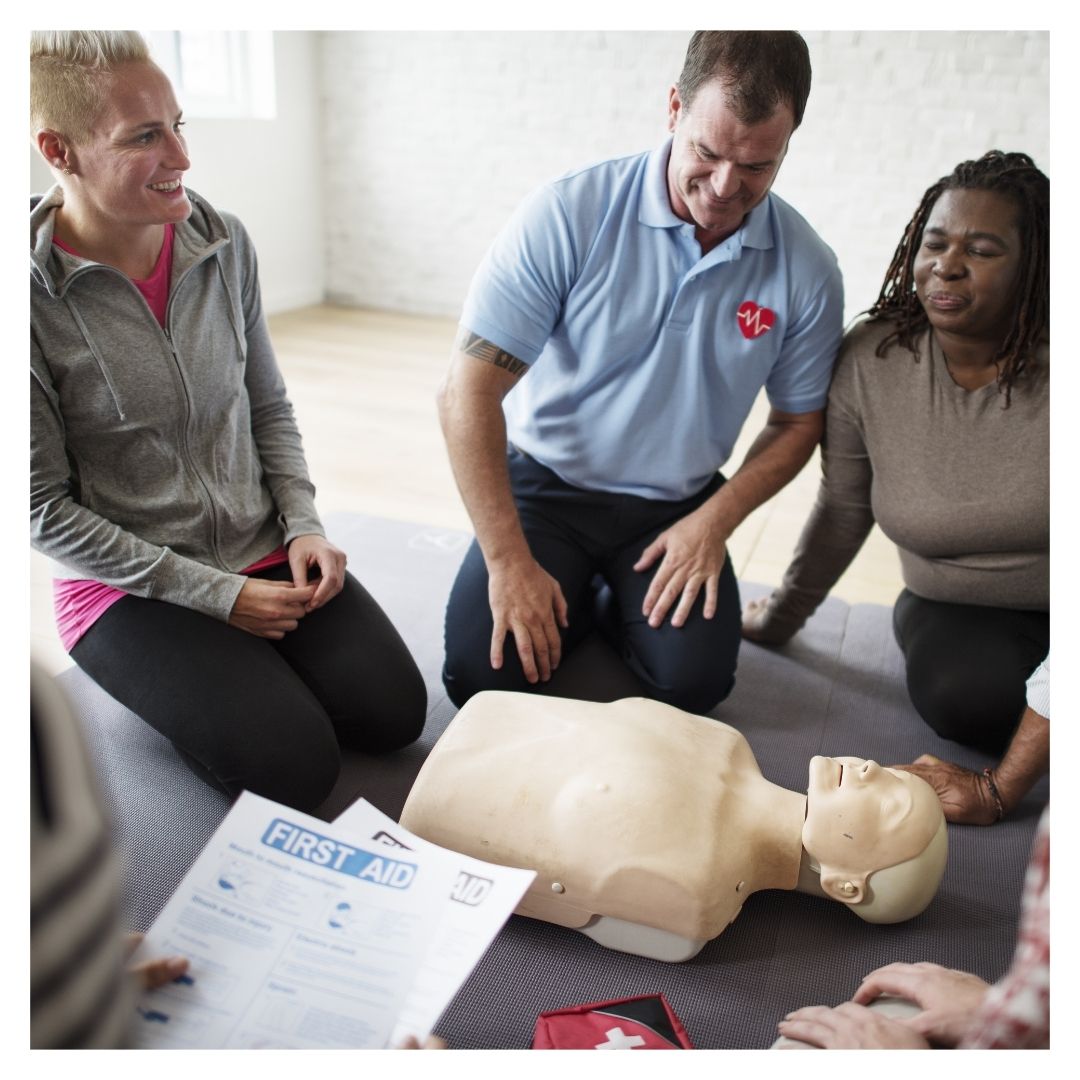
Cardiac Arrest at Work Is a Time Problem — CPR Training Solves It
Every day in the United States, about 1,200 people die from sudden cardiac arrest. Most do not die because no one called 911. They die because help did not arrive fast enough.
In a workplace emergency, time is the enemy.
- Brain injury can begin in 4–6 minutes
- Average EMS response time is 8–10 minutes
- Each minute without CPR reduces survival by 7–10 percent
That gap is where lives are lost — and where workplace CPR training makes the difference.
Calling 911 Is Necessary — But Not Enough
Calling 911 is critical. It is also only the first step.
Until paramedics arrive, nothing is circulating oxygen to the brain or heart unless someone on site starts CPR. In many workplace cardiac arrests, CPR either never starts or starts too late.
The reality is simple:
Employees are the first responders.
Why Cardiac Arrest Happens at Work
Sudden cardiac arrest does not require a hospital or a medical setting. It happens every day in:
- Offices
- Warehouses
- Manufacturing facilities
- Schools and churches
- Gyms, retail spaces, break rooms, and parking lots
When it happens, survival depends on who acts in the first few minutes — not who arrives later.
CPR Training Is Risk Control
For employers, CPR training is not a “nice to have.” It is risk management.
Untrained workplaces face:
- Preventable loss of life
- OSHA exposure
- Workers’ compensation claims
- Business interruption
- Legal and reputational risk
Trained workplaces reduce those risks by ensuring someone can act during the most dangerous minutes of an emergency.
Which CPR Course Is Right for Your Workplace?
The correct CPR course depends on your environment and the level of responsibility your employees carry, not medical credentials.
Heartsaver CPR/AED
This is the core training for most workplaces, including offices, warehouses, manufacturing, retail, schools, churches, gyms, and corporate environments.
Employees learn how to:
- Recognize sudden cardiac arrest
- Call 911 and act immediately
- Perform effective CPR
- Use an AED with confidence
This course focuses on life-saving action during the critical first minutes of an emergency.
Optional Add-On Training: Expand Preparedness
Some workplaces choose to go beyond CPR by adding supplemental training based on their risk profile.
First Aid (Add-On)
First Aid training is an optional addition for workplaces with:
- Higher injury risk
- Safety teams or supervisors
- Employees responsible for others
First Aid training covers:
- Bleeding control
- Injury and illness response
- Shock and medical emergencies
Bloodborne Pathogens (Add-On)
Bloodborne Pathogen (BBP) training is an optional add-on for workplaces where employees may encounter blood or bodily fluids during emergencies or cleanup.
BBP training focuses on:
- Recognizing exposure risks
- Using gloves and barrier devices
- Universal precautions
- Proper cleanup and disposal
- Protecting the responder while assisting others
These add-ons do not replace CPR — they expand workplace preparedness where appropriate.
What Every In-Pulse CPR Class Includes
All In-Pulse CPR workplace classes provide:
- Adult, child, and infant CPR training
- Hands-on AED practice
- Realistic workplace scenarios
- Two-year American Heart Association certification
- On-site training for groups of 5–25+ employees
Optional First Aid and Bloodborne Pathogen training can be added based on your workplace needs.
The goal is not memorization.
The goal is fast, confident action when minutes matter.
The Bottom Line
Cardiac arrest at work is not rare.
It is not predictable.
And it does not wait for EMS.
CPR training fills the time gap that costs lives.
In-Pulse CPR delivers American Heart Association–certified CPR and AED training directly at your workplace — with optional First Aid and Bloodborne Pathogen add-ons when needed.
Train your staff to act in the minutes that matter most.
Next Step
If you’re responsible for safety, HR, or operations, this decision is simple.
Train your staff now — before you need them.
Contact In-Pulse CPR today to schedule workplace CPR and AED training at your location.
We’ll handle the training.
Your team will handle the emergency.