

Pennsylvania Stories That Prove CPR Training Saves Lives
Sudden cardiac arrest can strike anywhere—on ballfields, at community events, or even in the middle of teaching others how to save lives. In Pennsylvania over the past year, two incredible real-world rescues underscore the lifesaving impact of early CPR and AED use, and why training matters for every community.
EMT Turned Patient: When the Rescuer Needed Rescue
In an ironic twist, a Cumberland County EMT who teaches CPR found himself on the receiving end of it at a public event. While providing standby care at the Pennsylvania Farm Show in Lemoyne, UPMC paramedic Matt Warner suffered a sudden heart attack.
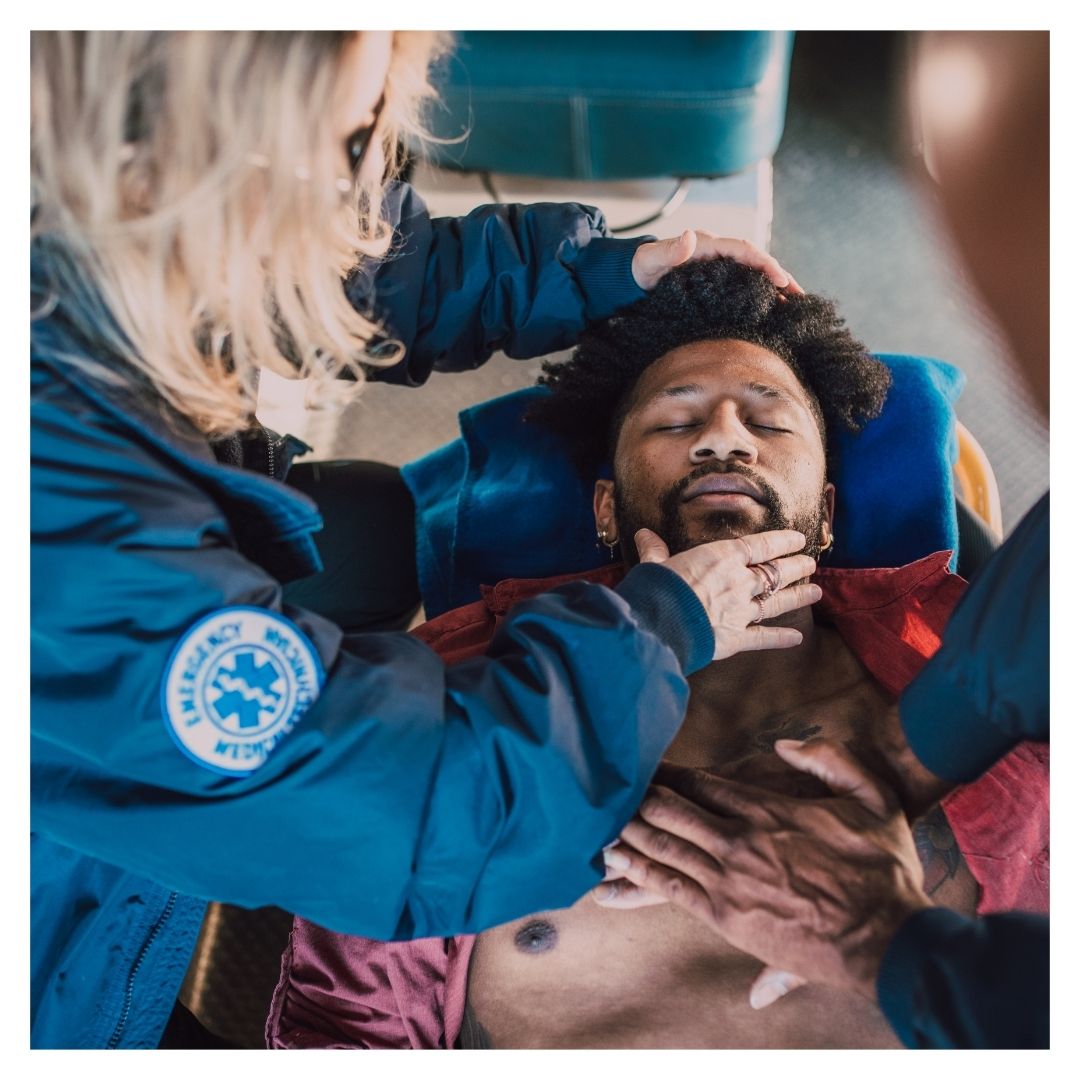
Colleagues and fellow EMS providers instantly recognized the emergency, started chest compressions, and used an AED until Warner regained a pulse.
He survived and continues to share his story as a powerful reminder that anyone can become a cardiac arrest victim—even trained professionals.
This dramatic moment highlights a core truth:
Cardiac arrest does not discriminate, and even the most prepared professionals benefit from fast, coordinated response. Early CPR and AED use make the difference between survival and tragedy.
A Coach’s Collapse and a Team That Refused to Lose
In Montoursville, a community came together to save one of their own. Softball coach Robyn Hagemeyer suddenly collapsed during practice at Indian Park, suffering cardiac arrest in front of her team.
Within seconds, bystanders sprang into action. One began CPR immediately, and another trained volunteer confirmed she had no pulse and continued chest compressions.
An on-site AED was retrieved with dispatcher guidance, and three defibrillator shocks helped restore her heart rhythm.
EMS arrived in under four minutes—a rapid response made even more effective by the immediate actions of community members.
Hagemeyer not only survived but returned to coaching, leading her team to success just weeks after her recovery.
What These Stories Have in Common
These two Pennsylvania CPR events teach the same lifesaving lessons:
1. Every Second Counts
For every minute without CPR, survival chances drop by about 10 percent. Immediate action buys time until professional help arrives.
2. Bystander CPR Works
In both cases—whether an EMT in trouble or a coach collapsing during practice—trained or confident bystanders made the critical first move.
3. AEDs Save Hearts
An AED was essential in Hagemeyer’s case, and quick defibrillation dramatically improves survival odds after cardiac arrest.
4. Training Builds Confidence
Whether someone has formal training or has practiced skills regularly, they’re far more likely to act when it matters most.
Pennsylvania Needs More CPR Champions
Despite these successes, less than half of adults who experience cardiac arrest outside a hospital receive bystander CPR. That means too many victims don’t get the lifesaving care they need in those first critical minutes.
Imagine if more teachers, parents, coaches, and community members felt confident stepping in.
Be Prepared. Be Empowered. Get Trained.
These Pennsylvania stories remind us that CPR isn’t just a skill—it’s a community strength.
When more people know how to respond, more lives are saved.
👉 Learn CPR with In-Pulse CPR
Hands-on skills, AED practice, and real confidence that prepares you for real emergencies.
Your training could be the difference between life and death.
Start today.
