

History of Nursing: The Extraordinary Journey of Nursing: From Sacred Duty to Smart Technology
Key Takeaways
- Nursing evolved from ancient caregiving to a skilled profession through historical shifts, including the roles of Florence Nightingale and the American Civil War.
- The establishment of formal nursing education began with Nightingale’s training school in 1860, emphasizing nursing as a discipline.
- Global standards and licensure emerged in the late 19th and early 20th centuries, protecting both patients and nurses.
- Technological advancements, such as telehealth and AI, are reshaping nursing, allowing for better patient monitoring and documentation efficiency.
- The future of nursing focuses on balancing autonomy and addressing workforce challenges to prevent burnout and ensure quality care.
Estimated reading time: 13 minutes
How nursing grew from ancient bedside care into one of the most skilled, trusted, and technologically advanced professions in modern healthcare.
Have you ever stopped to think about what it really means to be a nurse?
Today’s nurses are far more than bedside caregivers. They are skilled clinicians, fast-thinking problem solvers, medication safety guards, technology users, patient educators, and fierce advocates for people during some of the most vulnerable moments of life.
But nursing did not become this overnight.
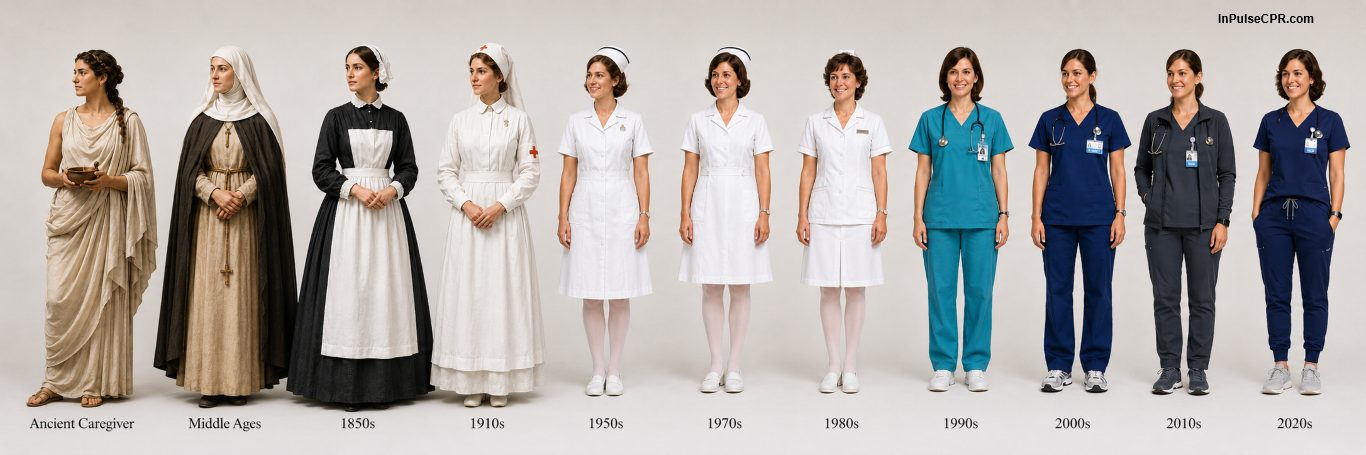
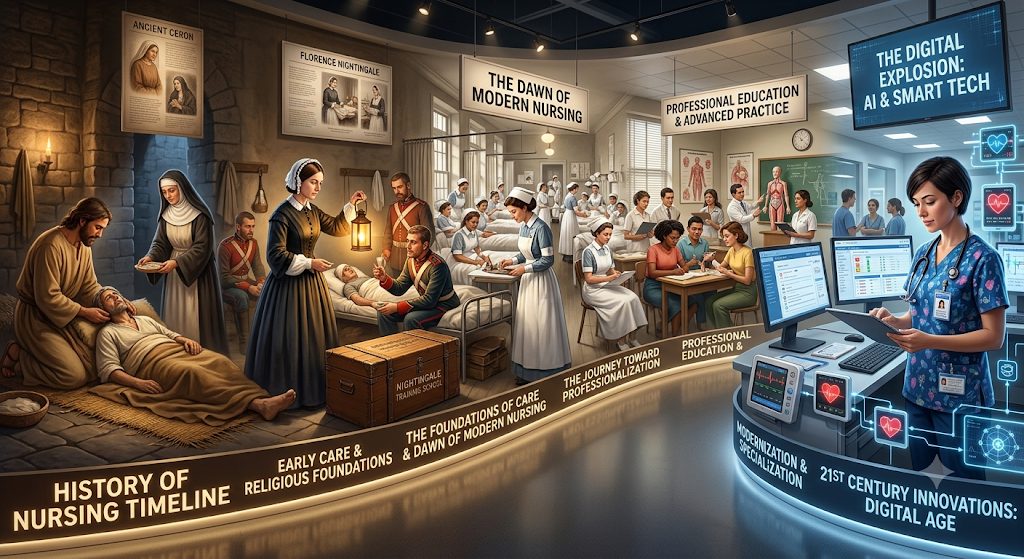
Its history stretches across temples, monasteries, battlefield hospitals, crowded wards, college classrooms, public health campaigns, and now, digital command centers filled with real-time data. Nursing has always carried one steady heartbeat: care for the sick, protect human dignity, and bring order to moments of fear.
Part 1: The Foundations of Care
Long before there were nursing schools, medical charts, or hospital monitors, nursing lived inside families and communities. It was practical, physical, and deeply human work: washing wounds, bringing water, helping with childbirth, feeding the weak, comforting the dying, and staying close when sickness made others step back.
Ancient Roots and Sacred Duty
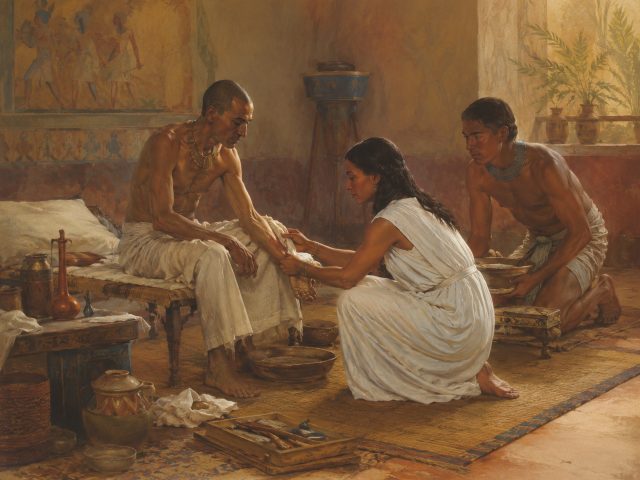
In ancient civilizations such as Egypt, Greece, Rome, India, and China, care for the sick was often provided by family members, healers, attendants, or religious workers. Temples and early healing centers sometimes served as places where people sought treatment, rest, prayer, and comfort.
This early care was not “nursing” in the modern professional sense, but the foundation was already there. Someone had to notice the fever. Someone had to clean the wound. Someone had to sit through the night.
The Middle Ages: Nursing as Religious Service
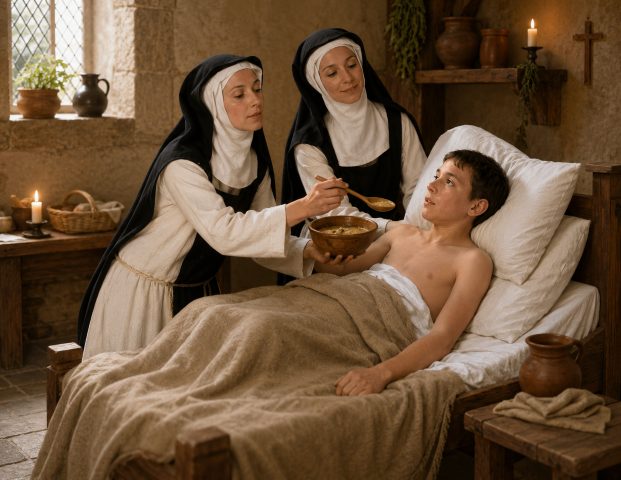
During the Middle Ages, nursing became closely tied to religious life, especially in Europe. Monks, nuns, and religious orders cared for the sick, the poor, travelers, wounded soldiers, and people dying from disease.
Early hospitals were often attached to churches or monasteries. They were not sleek medical centers. Many were crowded places of shelter, prayer, and basic care. Still, they gave structure to caregiving. The work was demanding and often dangerous, but it was viewed as a sacred responsibility.
The “Dark Period” of Nursing
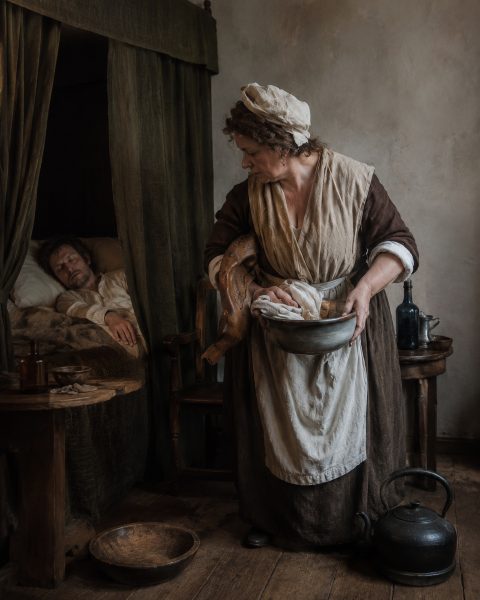
Nursing history did not move in a clean upward line. In parts of Western Europe, the profession entered what is sometimes called the “Dark Period of Nursing” between the 17th and 19th centuries.
After the Reformation, many monasteries and convents closed. Since religious communities had provided much of the organized nursing care, hospitals lost a major source of trained caregivers. Public hospitals often became overcrowded, dirty, and poorly managed. Nursing work was frequently left to untrained women with few other options, including women living in poverty.
This period damaged nursing’s reputation. Hospitals could become places of infection, neglect, and despair. That low point makes the rise of modern nursing even more remarkable.
Part 2: The Dawn of Modern Nursing
Florence Nightingale and the Crimean War
The most famous turning point came in 1854, during the Crimean War.
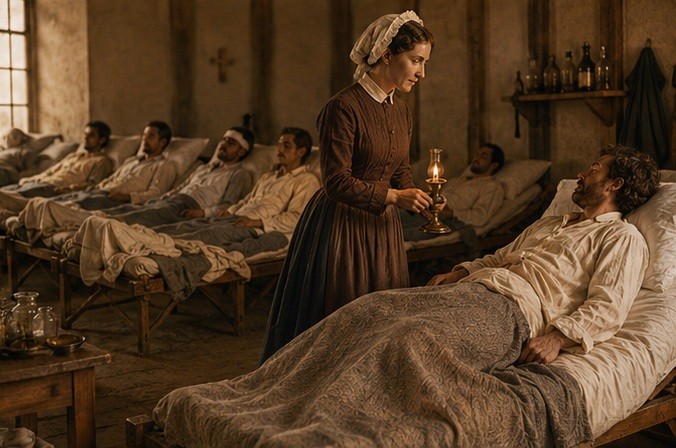
Florence Nightingale arrived at military hospitals and found horrifying conditions: overcrowded rooms, poor ventilation, dirty bedding, contaminated water, limited supplies, and soldiers dying from disease as well as battle wounds. Historical accounts note that illnesses such as typhus, cholera, and dysentery killed many wounded soldiers in those conditions.
Nightingale pushed for sanitation, clean linens, better ventilation, better food, cleaner water, and organized care. Just as important, she used data to make her case. Her work helped show that hospital conditions were not background details. They were life-or-death factors. Nightingale became one of the early giants in using statistics and visual data to push healthcare reform.
She did not simply make nursing kinder. She made it smarter.
1860: Nursing Education Gets a Backbone
In 1860, Nightingale founded the Nightingale Training School for Nurses at St. Thomas’ Hospital in London. This helped establish a model for formal nursing education and showed that nursing required discipline, observation, knowledge, and skill.
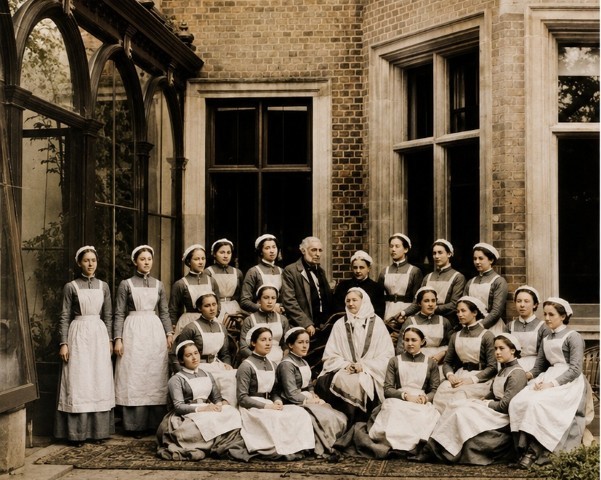
This was a major shift. Nursing was no longer just something a person did because they were compassionate. It became something a person studied, practiced, and mastered.
Nursing in the American Civil War
Across the Atlantic, the American Civil War from 1861 to 1865 exposed the same truth: large-scale suffering requires organized care.
Clara Barton brought supplies and aid to wounded soldiers and later founded the American Red Cross. Dorothea Dix helped organize women nurses for the Union Army. Their work proved that nursing was not a soft accessory to medicine. It was a survival system.
War often reveals what peaceful times overlook. During the Civil War, nursing stepped out of the shadows.
Part 3: Claiming the Profession
By the late 1800s and early 1900s, nurses began fighting for something bigger than recognition. They fought for standards.
Global Standards and the Birth of the RN
In 1899, the International Council of Nurses was founded, giving nurses a global professional voice. Today, the ICN describes itself as a federation of more than 140 national nursing associations representing more than 30 million nurses worldwide.
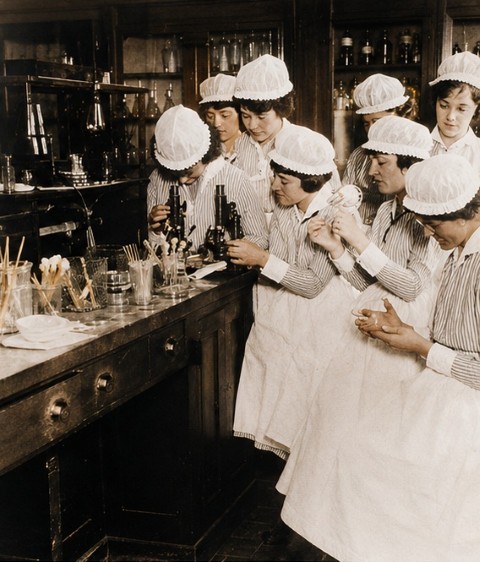
Licensure soon followed. New Zealand passed the Nurses Registration Act in 1901, and the first state-registered nurses were entered into the register in 1902. In the United States, North Carolina passed the first nurse registration act in 1903, helping establish legal recognition for trained professional nurses.
This mattered because licensure protected both patients and nurses. It created a line between informal caregiving and professional practice. The title “Registered Nurse” became more than a label. It became a promise of training, accountability, and skill.
The World Wars and Specialized Nursing
World War I and World War II pushed nursing into new territory. Nurses cared for soldiers with trauma, burns, infection, shock, amputations, and psychological wounds. They worked in military hospitals, field units, ships, and surgical settings.
The wars created severe nursing shortages, but they also accelerated training and expanded specialized roles. Nurse anesthetists became especially important in military and surgical care. Emergency care, surgical nursing, infection control, and rehabilitation all advanced under extreme pressure.
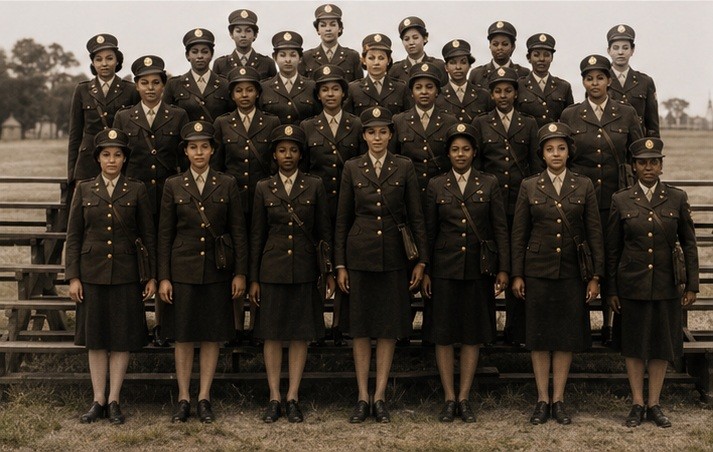
Nursing did not just endure the world wars. It evolved inside them.
Part 4: Nursing Moves Into Higher Education
After World War II, healthcare expanded rapidly. Hospitals needed more nurses, and the old apprenticeship model could not keep up.
In 1952, Mildred Montag developed the Associate Degree in Nursing model in the United States. This helped move nursing education into community colleges and made it possible to prepare more nurses for practice through formal academic programs.
Then came another major leap.
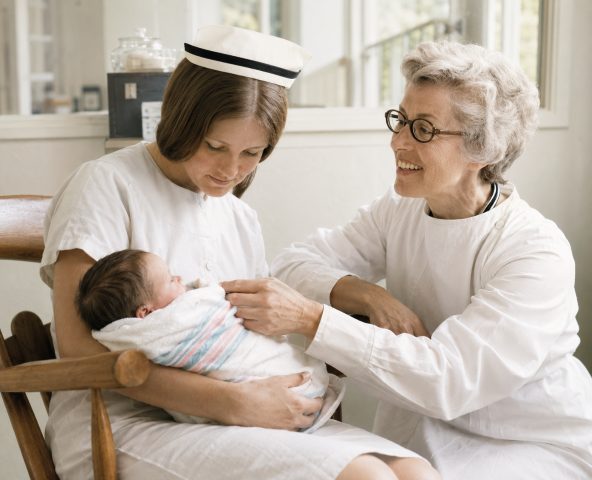
In 1965, the University of Colorado launched the first nurse practitioner program, created by Loretta Ford and Henry Silver. The program expanded nurses’ clinical role, especially in underserved communities where access to physicians was limited.
This helped open the door for advanced practice nursing. Nurses were no longer only carrying out orders at the bedside. Many were diagnosing, treating, prescribing, leading clinics, managing chronic disease, and shaping healthcare access.
Part 5: The Digital Explosion
If Florence Nightingale walked into a modern hospital today, she would still recognize the mission, but the tools would look like something from another planet.
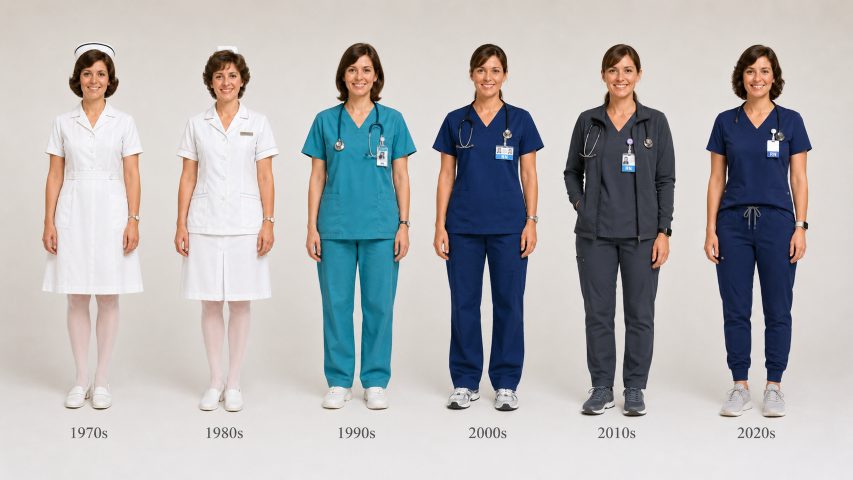
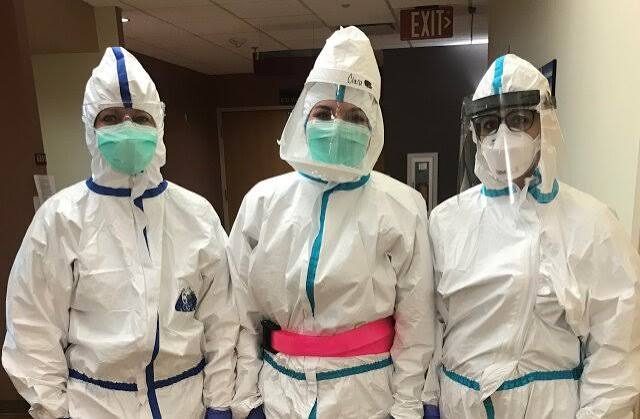
The last decade has transformed nursing through electronic health records, telehealth, remote monitoring, artificial intelligence, barcode scanning, predictive alerts, and smart devices. COVID-19 did not create all of these technologies, but it slammed the accelerator.
Artificial Intelligence and Smart Workflows
One of the biggest modern frustrations in healthcare is documentation. Nurses and clinicians often spend enormous time charting instead of facing the patient.
Ambient AI documentation is beginning to change that. These tools listen during clinical encounters and draft notes for review, reducing documentation burden and helping clinicians spend more time focused on patients. Stanford Medicine, for example, began integrating AI-powered listening technology to assist clinicians with note-taking in 2024.
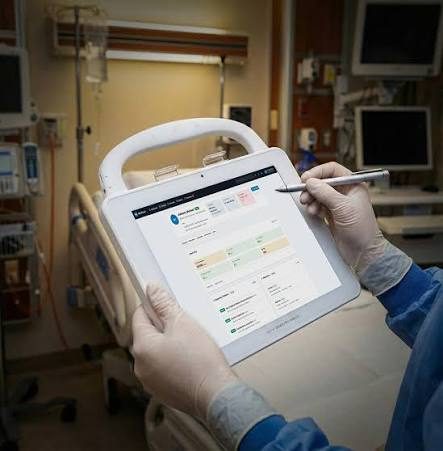
AI is also being used in clinical workflows to identify risk patterns. Modern electronic health records can analyze vitals, labs, and patient history to flag possible deterioration. This does not replace nursing judgment. It gives nurses another alarm bell in the storm.
Medication Safety Gets Smarter
Medication administration has always been one of nursing’s most important responsibilities. The right patient, right medication, right dose, right route, and right time are not just classroom phrases. They are safety rails.
Barcode medication administration adds another layer of protection. By scanning the patient and medication at the bedside, nurses can catch mismatches before medication reaches the patient. The Agency for Healthcare Research and Quality identifies bar-coded medication administration as a widely discussed method for reducing errors during the medication administration phase.
This is where nursing and technology meet at the bedside: human judgment backed by digital verification.
Part 6: Healthcare Beyond Hospital Walls
Remote Patient Monitoring
Nursing is no longer limited to the hospital room or clinic hallway.
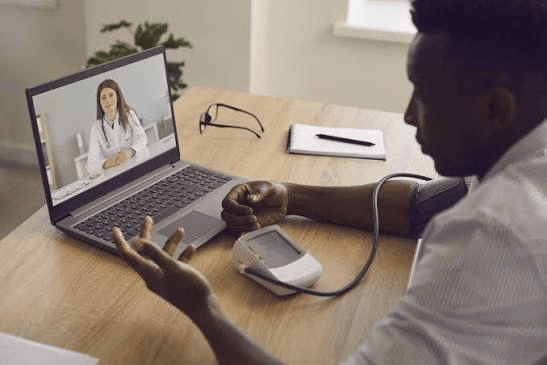
Remote Patient Monitoring allows nurses and care teams to follow patients through devices such as blood pressure cuffs, glucose monitors, pulse oximeters, smart patches, and wearable sensors. These tools can send health data from the patient’s home to the care team.
This is especially important for chronic disease management, post-hospital follow-up, and rural care. Telehealth and remote patient monitoring are now described in nursing literature as tools that improve access and support more data-rich patient care.
The bedside has stretched. Sometimes it reaches all the way into a patient’s living room.
The Telehealth Revolution
Telehealth existed before COVID-19, but the pandemic turned it from a side road into a highway.
One study reported that telemedicine encounters increased sharply during the early months of the pandemic, rising from 0.3% of interactions in March to June 2019 to 23.6% during the same period in 2020.
For nurses, this expanded triage, education, chronic care support, mental health check-ins, medication follow-up, and care coordination. It also made nursing more visible in rural and underserved areas where access to care can be thin.
Part 7: Autonomy, Burnout, and the Future of Nursing
Modern nursing is growing in two directions at once: more authority and more pressure.
Full Practice Authority
Nurse Practitioners now play a major role in primary care, urgent care, rural care, behavioral health, and chronic disease management. Many states have expanded their scope of practice.
The American Association of Nurse Practitioners tracks state practice environments and shows that NP authority varies by state, with many states allowing full practice authority. This reflects a major shift in how healthcare systems use advanced nursing expertise.
Protecting the Workforce
The pandemic also revealed a painful truth: healthcare cannot survive by burning out its nurses.
Hospitals and health systems are now paying more attention to staffing, mental health support, workplace violence prevention, retention, and tools that reduce physical strain. Collaborative robots, smarter supply systems, automated documentation, and better scheduling tools are all part of a larger question: how do we protect the people who protect everyone else?
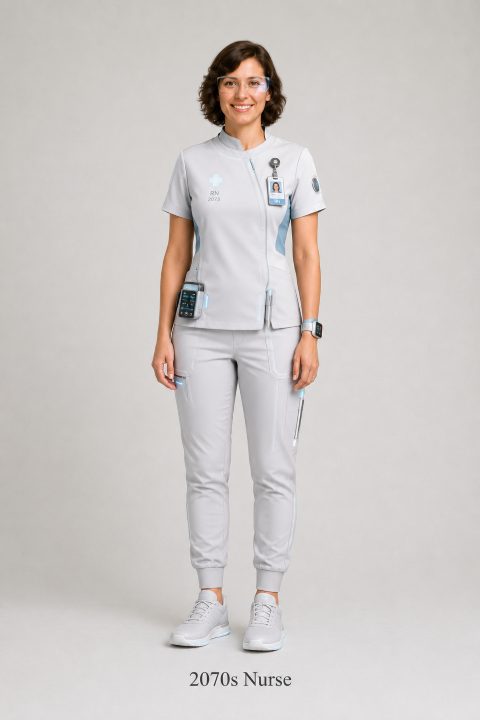
The next chapter of nursing will not only be about better technology. It will be about building systems where nurses can keep doing skilled, compassionate work without being crushed by the weight of the machine.
Conclusion: The Same Heart, Sharper Tools
From ancient temple care to battlefield hospitals, from Florence Nightingale’s sanitation reforms to predictive analytics and remote monitoring, nursing has traveled an extraordinary road.
The tools have changed. The settings have changed. The authority, education, and technology have changed.
But the heart of nursing has remained steady: protect life, reduce suffering, promote healing, and defend human dignity when people are at their most vulnerable.
Nursing began with someone willing to stay close to the sick.
Today, it continues with professionals who bring science, skill, courage, and compassion to every corner of healthcare.