

CPR: A Hands-on Approach
CPR: A Hands-On Approach to Saving Lives
By Karen Helm
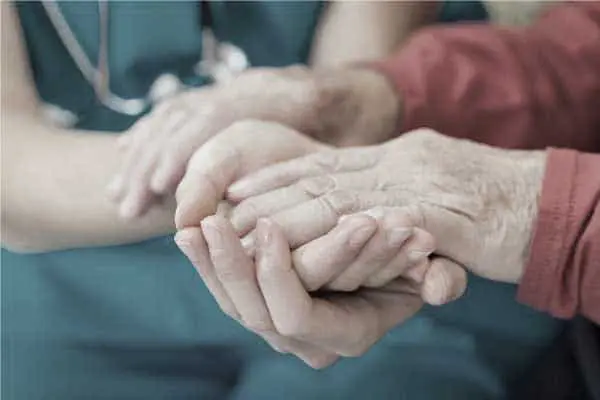
They plant seeds, gather harvests, play music, tell stories, and bring new life into the world. Our hands are capable of remarkable things.
But perhaps their greatest power is the ability to save a life.
Every day in the United States, hundreds of people experience sudden cardiac arrest. When the heart suddenly stops beating, oxygen can no longer reach the brain and vital organs. Without help, survival chances drop rapidly with each passing minute.
The good news is that bystander CPR can double or even triple a person’s chance of survival. When someone nearby begins CPR immediately, they buy critical time until emergency medical responders arrive.
Why CPR Training Matters
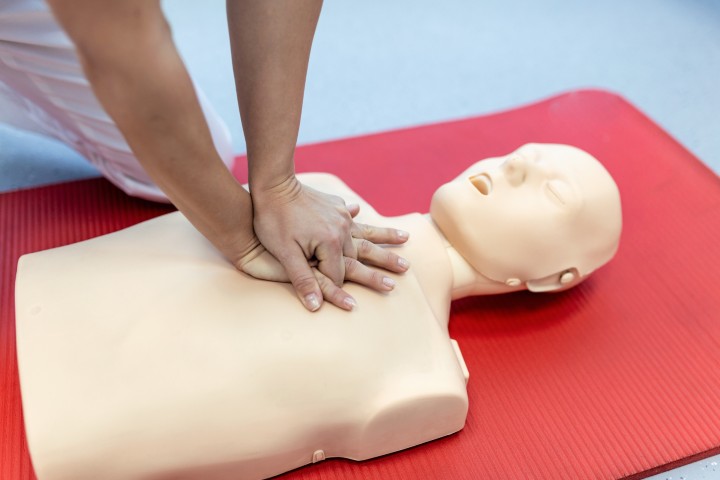
Cardiac arrest often happens unexpectedly and usually occurs outside of hospitals. That means the first person able to help is often a coworker, family member, coach, teacher, or bystander nearby.
When someone knows how to perform CPR, they can take action in those critical first minutes. Learning CPR gives people the confidence and skills to respond quickly during an emergency.
Fast action matters. CPR started immediately can make the difference between life and death while waiting for EMS to arrive.
Making CPR Easier to Learn
The American Heart Association (AHA) encourages the public to learn CPR so more people are prepared to respond during emergencies.
Mollie Bowman, nurse and owner of In-Pulse CPR, understands why some people hesitate to take a class. Many students leave older CPR courses feeling overwhelmed, unsure they would remember every step during a real emergency.
With more than 25 years of healthcare experience, Bowman built In-Pulse CPR around a simple goal: make CPR training simple, practical, and hands-on.
“When something makes sense, people feel more confident using it.”
Today, In-Pulse CPR provides American Heart Association certification classes across multiple states, helping thousands of students gain lifesaving skills each year.
How CPR Has Evolved Over Time
The science of resuscitation has developed over centuries.
In the 1700s, early attempts to revive people included unusual techniques such as forcing air into the lungs with fireplace bellows or rolling a patient over a barrel.
Modern CPR began to take shape in the 1950s when Dr. James Elam and Dr. Peter Safar demonstrated the effectiveness of mouth-to-mouth breathing. Soon afterward, chest compressions were added. This combination became known as Cardiopulmonary Resuscitation (CPR).
Originally taught only to medical professionals, CPR training eventually expanded to the general public through organizations like the American Heart Association and the American Red Cross.
What CPR Looks Like Today
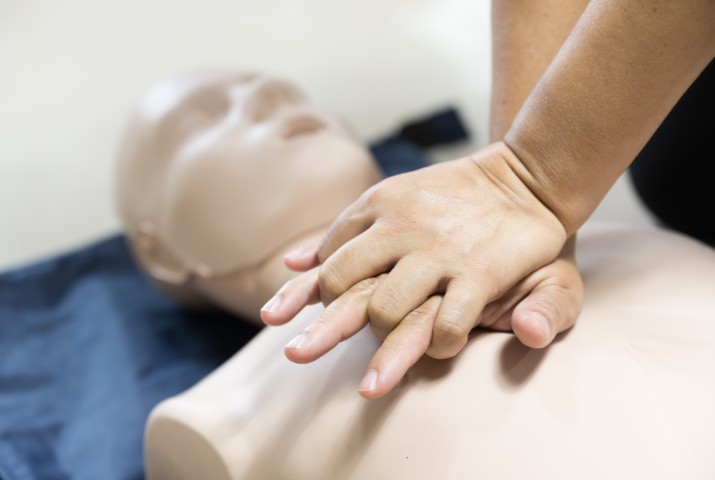
Modern CPR guidelines focus heavily on strong, consistent chest compressions.
- Compression rate: 100 to 120 compressions per minute
- Compression ratio: 30 compressions to 2 breaths
- Technique: Push hard and fast in the center of the chest
For untrained bystanders, Hands-Only CPR is recommended. This means calling 911 and performing continuous chest compressions until help arrives.
Because compressions keep blood circulating to the brain and heart, immediate CPR can significantly improve survival chances.
What You Learn in a CPR Class
A typical CPR certification course teaches students how to respond to several life-threatening emergencies.
- Recognizing cardiac arrest
- Identifying symptoms of heart attack and stroke
- Performing CPR on adults, children, and infants
- Helping a choking victim
- Using an Automated External Defibrillator (AED)
Students practice skills using CPR manikins so they leave class with hands-on experience and confidence.
“You always hope you never need to use CPR, but if the moment comes, you’ll know exactly what to do.”
AEDs and Technology Save More Lives
Many workplaces, schools, gyms, and airports now have Automated External Defibrillators (AEDs) available.
AEDs analyze the heart’s rhythm and can deliver a shock that helps restart the heart during cardiac arrest. CPR keeps blood circulating until an AED or emergency responders arrive.
When CPR and AED use happen quickly, survival chances increase dramatically.
Good Samaritan Laws Protect Bystanders
A common concern people have is whether they could be sued for helping someone during an emergency.
Fortunately, Good Samaritan laws exist in most states. These laws protect individuals who attempt to provide reasonable emergency assistance.
If a victim becomes unconscious, the law assumes implied consent, meaning lifesaving care can begin until medical professionals arrive.
Anyone Can Learn CPR
One of the biggest misconceptions about CPR is that it is difficult to learn. In reality, most students can learn the basics in just a few hours.
CPR does not require special equipment or medical training. Sometimes, the only thing needed is a pair of hands and the willingness to act.
And that simple action could save someone’s life.
CPR Certification Classes Near You
In-Pulse CPR offers American Heart Association CPR, BLS, and First Aid classes across multiple regions, including:
- Minneapolis–St. Paul, Minnesota
- Harrisburg, Pennsylvania
- Tampa Bay, Florida
- Cookeville and Central Tennessee
Classes are 100% in-person and hands-on, with certification cards issued the same day.
Frequently Asked Questions About CPR
How long does CPR certification last?
Most American Heart Association CPR certifications are valid for two years.
How long does a CPR class take?
Most CPR classes take 2 to 4 hours depending on the course type. Healthcare provider BLS courses may take slightly longer.
Do I need to give mouth-to-mouth during CPR?
If you are trained, CPR includes breaths using a 30 compressions to 2 breaths ratio. Untrained rescuers can perform Hands-Only CPR.
Can CPR really save a life?
Yes. Immediate CPR can double or triple survival chances during sudden cardiac arrest.
Where can I take a CPR class near me?
You can find CPR classes through certified training centers such as In-Pulse CPR.
About In-Pulse CPR
In-Pulse CPR provides American Heart Association CPR, BLS, and First Aid certification classes for healthcare providers, businesses, and the general public.
Training is available across Minneapolis and St. Paul, Minnesota, Harrisburg, Pennsylvania, Tampa Bay, Florida, and Cookeville, Tennessee.
Please follow the links on our website to view the public class calendar for your area.
Where can I find AHA CPR classes in my local area? In-Pulse CPR provides local, hands-on training in several key regions. We offer regularly scheduled public classes in:
- Minnesota: Minneapolis & St. Paul metro areas.
- Pennsylvania: Harrisburg and surrounding communities.
- Florida: The greater Tampa Bay area.
- Tennessee: Cookeville and Central Tennessee.
How long does CPR certification last in these states? Regardless of your location, American Heart Association (AHA) certifications are valid for two years. We recommend renewing 30 days before expiration to ensure your skills stay sharp.
Are these classes valid for Pennsylvania or Florida workplace requirements? Yes. Because we provide official AHA certification, our classes meet the stringent requirements for healthcare providers, childcare workers, and industrial safety officers in PA, FL, MN, and TN.
Is there a difference between “Hands-Only” and “Full” CPR? “Hands-only” is great for untrained bystanders. However, for certification (especially for jobs in healthcare or education), you must learn the full 30:2 ratio of compressions to breaths.

COMMENT (2)
Carol / December 28, 2011
Making the choice to do “something” instead of “nothing” is so easy and actually saves lives. I want to be one of those that make a difference.
How to Do CPR Chest Compressions the Right Way / May 11, 2026
[…] Chest Compression Technique: How to Push Hard, Push Fast, and Help Save a […]
Comments are closed.