

Top 10 Life-Saving First Aid Tips for Everyday Emergencies
Understanding First Aid Basics
First aid is the immediate care given to someone who is injured or suddenly becomes ill before professional medical help is available. Knowing a few life-saving first aid tips can help you respond quickly, prevent an injury from becoming worse, and in some situations, help save a life.
One common misconception is that first aid requires advanced medical knowledge. In reality, many important first aid actions are simple, including calling 911, controlling bleeding, helping someone who is choking, using an AED, or providing CPR when needed.
The most important first step is to stay calm and assess the situation. Make sure the area is safe for you to approach, check the person for responsiveness and normal breathing, and determine whether emergency medical services are needed. Avoid rushing into a dangerous situation or attempting treatment beyond your level of training.
Even basic first aid knowledge can make a major difference during the critical minutes before emergency responders arrive.
Key First Aid Tips for Common Emergencies
Everyday emergencies can happen at home, at work, in public places, or while traveling. Knowing how to respond during the first few minutes can help prevent further injury and give professional responders valuable time to arrive.
1. Choking: Act Quickly
If someone cannot breathe, speak, or cough effectively, they may have a completely blocked airway. For a conscious adult or child with severe choking, begin appropriate choking care and continue until the object is expelled or the person becomes unresponsive.
If the person becomes unresponsive, call 911, begin CPR, and use an AED if one is available. <– Helpful life-saving first aid tips
2. Severe Bleeding: Apply Direct Pressure
For serious bleeding, place clean gauze or cloth over the wound and apply firm, steady pressure. Maintain pressure until the bleeding stops or emergency medical help takes over.
For life-threatening bleeding from an arm or leg that cannot be controlled with direct pressure, a properly applied tourniquet may be necessary.
3. Burns: Cool the Burn
For a minor thermal burn, cool the affected area under cool running water for about 20 minutes. Remove jewelry or tight items near the burn before swelling begins.
Do not apply ice, butter, grease, or other home remedies to the burn. Seek emergency care for severe, deep, electrical, chemical, or extensive burns.
4. Cuts and Scrapes: Clean and Cover
Wash your hands before treating a minor wound. Rinse the area with clean running water, gently remove visible debris, and cover the wound with a sterile dressing or bandage.
Seek medical attention for deep wounds, uncontrolled bleeding, animal or human bites, or wounds that may require stitches.
5. Sudden Cardiac Arrest: Start CPR and Use an AED
If an adult suddenly collapses, is unresponsive, and is not breathing normally, call 911 and begin CPR immediately. Push hard and fast in the center of the chest at a rate of approximately 100 to 120 compressions per minute.
Use an AED as soon as one becomes available and follow its voice or visual instructions.
6. Suspected Heart Attack: Call 911
Heart attack symptoms can include chest pressure or discomfort, shortness of breath, sweating, nausea, weakness, or pain spreading to the arm, back, neck, jaw, or stomach.
Do not attempt to drive the person to the hospital unless emergency medical services are unavailable. Calling 911 allows treatment to begin before the patient reaches the hospital.
7. Stroke: Recognize the Warning Signs
Use the FAST warning signs:
- F – Face: Is one side of the face drooping?
- A – Arms: Is one arm weak or numb?
- S – Speech: Is speech slurred or difficult?
- T – Time: Call 911 immediately.
Note the time the symptoms first appeared or the last time the person was known to be well. This information can be important for treatment decisions.
8. Seizure: Protect the Person From Injury
Move nearby objects away and protect the person’s head if possible. Do not restrain them and never place anything in their mouth.
After the seizure ends, check their breathing and stay with them. Call 911 if the seizure lasts five minutes or longer, repeats without recovery, occurs in water, causes injury, or involves someone who is pregnant or experiencing a first seizure.
9. Poisoning: Get Expert Help
If you suspect poisoning, do not automatically induce vomiting or give the person food or drink. Remove the person from the source of exposure when it can be done safely. Here is another life-saving first aid tip.
Call 911 for life-threatening symptoms. For other suspected poisonings in the United States, contact Poison Control for instructions specific to the substance involved.
10. Heat-Related Illness: Cool the Person Quickly
Move someone experiencing heat illness to a cooler area, loosen unnecessary clothing, and begin cooling them.
Confusion, loss of consciousness, seizures, or other signs of heat stroke require immediate emergency medical care. Call 911 and begin rapid cooling while waiting for responders.
Knowing these basic first aid steps can help you move from bystander to responder when an emergency happens. The best preparation, however, is hands-on training that allows you to practice CPR, AED use, choking care, bleeding control, and other lifesaving skills before you ever need them.
When to Seek Professional Help
First aid can provide important care during the first few minutes of an emergency, but it is not a replacement for professional medical treatment. Some injuries and illnesses require immediate help from emergency medical services.
Call 911 right away if someone:
- Is unconscious or difficult to wake
- Is not breathing normally or is struggling to breathe
- Has signs of a heart attack or stroke
- Has severe or uncontrolled bleeding
- Experiences a serious allergic reaction
- Has a seizure lasting five minutes or longer
- Has a severe burn or electrical injury
- Has a suspected head, neck, or spinal injury
- Shows signs of severe poisoning
- Suddenly becomes confused, weak, or seriously ill
When calling 911, give the dispatcher clear and accurate information. Provide your location, describe what happened, explain the person’s condition, and follow the dispatcher’s instructions.
If CPR, an AED, bleeding control, or other first aid is needed, begin care while someone else calls 911 whenever possible. Continue helping until emergency responders arrive and take over.
Preparing for Emergencies
The best time to prepare for an emergency is before one happens. A well-stocked first aid kit, basic training, and occasional practice can make it much easier to respond quickly when someone is injured or becomes seriously ill. Our life-saving first aid tips can help if you learn what do do in advance of an emergency.
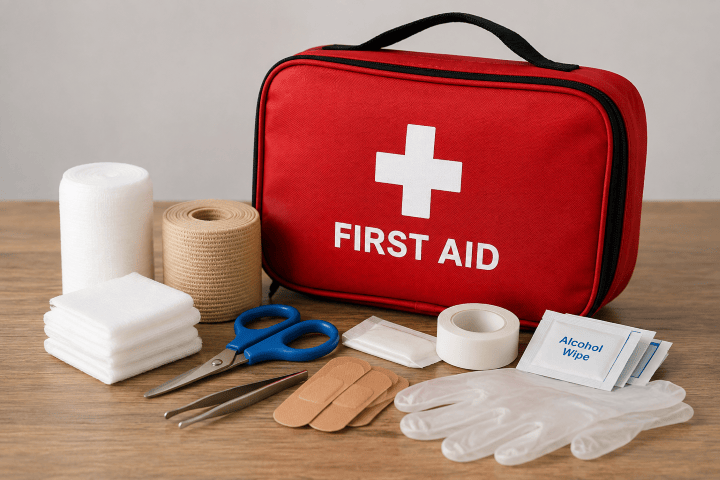
Keep a first aid kit at home and in your vehicle and check it periodically for missing or expired supplies. A basic kit should include items such as:
- Adhesive bandages in several sizes
- Sterile gauze pads and medical tape
- Disposable gloves
- Antiseptic wipes
- Scissors and tweezers
- A cold pack
- A CPR face shield or breathing barrier
- Emergency contact information
- Any personal medications or emergency supplies your household may need
When traveling, consider adding supplies appropriate for your destination, planned activities, weather conditions, and how far you may be from medical care.
Supplies are useful, but training is even more important that is why we published these helpful life-saving first aid tips . A hands-on CPR, AED, and First Aid course gives you the opportunity to practice lifesaving skills before you need them in a real emergency. Videos and online resources can be helpful refreshers, but they should not replace practical training when hands-on instruction is available.
First aid skills can fade over time, so review them regularly and renew your certification when needed. A few minutes of preparation today can make a significant difference when an everyday emergency suddenly becomes a serious one.