


LUCAS Device Helps Saves Lives
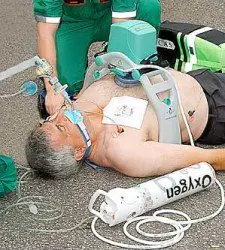
“As CPR technology advances, mechanical devices like the LUCAS system are transforming how emergency teams deliver lifesaving chest compressions when every second counts.”
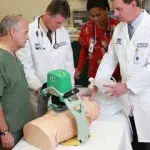

Performing CPR is physically exhausting. Even highly trained paramedics and emergency physicians can become fatigued after just a few minutes of chest compressions, which can reduce the quality of CPR and lower a patient’s chance of survival.
To help solve this problem, a new generation of mechanical CPR devices is now being used in ambulances and hospitals across the country. One of the most widely used is the LUCAS Device.
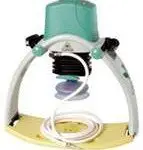
The LUCAS device is a battery-powered mechanical chest compression system that automatically delivers consistent, high-quality CPR. Instead of relying on a rescuer’s strength and endurance, the device takes over the chest compressions and maintains the proper rate and depth throughout resuscitation.
Why Mechanical CPR Matters
High-quality CPR requires compressions that are:
• Deep enough
• Fast enough
• Evenly timed
• Performed with full chest recoil
• Continuous with minimal pauses
Human providers, no matter how skilled, fatigue quickly. As fatigue sets in, compression depth decreases and pauses become longer, reducing blood flow to the heart and brain. Mechanical CPR eliminates that problem.
The LUCAS device delivers compressions at approximately 100 to 120 compressions per minute, matching American Heart Association guidelines. It never tires, never slows down, and never changes rhythm.
Better Blood Flow, Better Outcomes
The LUCAS device uses a specially designed suction cup plunger that attaches to the chest. This design does more than just push down. It also actively pulls the chest back up between compressions, helping the heart refill with blood more effectively.
This “active decompression” improves:
• Coronary blood flow
• Brain perfusion
• Overall circulation during cardiac arrest
Better blood flow means the heart is more likely to respond when an AED delivers a shock.
More Time for Advanced Care
When the LUCAS device takes over chest compressions, it frees up medical providers to focus on other critical lifesaving tasks, including:
• Managing the airway
• Giving oxygen
• Administering medications
• Placing IV lines
• Preparing for transport
It also allows CPR to continue safely while a patient is being moved or transported, something that is extremely difficult to do well with manual compressions.
Cost vs. Value
A LUCAS device typically costs around $12,000 per unit, which makes it a significant investment for EMS agencies and hospitals. However, when compared to the value of:
• Improved CPR quality
• Reduced rescuer fatigue
• Better patient outcomes
• Safer transport
Many emergency systems consider it a life-saving technology worth the cost.
The Future of Resuscitation
The LUCAS device does not replace human responders. It enhances them.
By providing consistent, high-quality chest compressions, it allows doctors, nurses, and paramedics to focus on the advanced medical care that brings patients back to life.
In cardiac arrest, every second and every compression matters.
The LUCAS device helps make every one of them count.

COMMENT (2)
anonymous / November 4, 2010
Thank you……
I absolutely agree. That is exactly how I understand it. Great!…
someone / November 8, 2010
Thank you……
so useful.hehe.thanks for your share….
Comments are closed.