


Annoying Mosquitoes and the Best Ways to Block them from Biting You
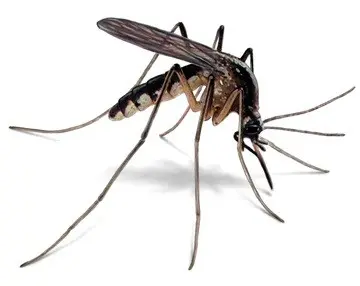
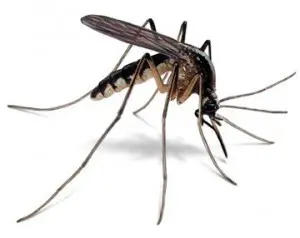
Mosquitoes can turn a relaxing evening outside into a miserable one fast. Their constant buzzing is irritating enough, but the itchy bites are what really ruin the fun. Most of the time, mosquito bites are more of an annoyance than a danger. Still, mosquitoes are not just harmless pests. They have been known to carry diseases, which is why prevention matters.
One of the best ways to avoid mosquito bites is to put a physical barrier between your skin and the bugs. In areas where mosquitoes are especially heavy, long sleeves, long pants, socks, and even gloves can make a big difference. Some hats also come with roll-down netting that protects your face and neck, which can be helpful in heavily wooded or swampy areas.
If you are camping, sleeping out under the open sky may sound peaceful, but it also makes you an easy target for mosquitoes and other biting insects. A sealed tent with fine mesh screening is a much better option if you want fresh air without spending the night getting eaten alive.
For people who do not want to cover every inch of skin, insect repellent is usually the next best line of defense. Products that contain DEET are still considered the most effective when used as directed. Apply repellent to exposed skin before heading outside, but avoid spraying areas that will be covered by clothing. You should also keep it away from your eyes, mouth, and fingertips, then wash it off once you come back indoors.
There are plenty of other products marketed as mosquito repellents, including essential oils, bracelets, and sound-based devices. Some people like them, but in general they have not performed nearly as well as DEET-based sprays in real-world use.
If you do get bitten, treatment is usually simple unless you are having a more serious allergic reaction. Oral antihistamines such as Benadryl may help. Topical treatments like anti-itch creams or benzocaine products are also commonly used. Many people also find relief from a cool shower or bath with mild soap.
Try not to scratch too much. As tempting as it is, broken skin can lead to irritation or infection, especially if you are outdoors, camping, or in less-than-clean conditions.
A few mosquito bites may seem like part of summer, but a little prevention goes a long way. With the right clothing, a good repellent, and a few simple precautions, you can spend more time enjoying the outdoors and less time swatting, scratching, and regretting every decision.
The latest research for 2026
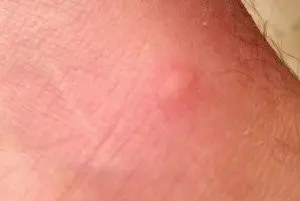
Recent research is giving experts a better picture of why some people seem to be mosquito magnets. Scientists are paying closer attention to the role of the skin microbiome, because the bacteria on our skin help produce odors that attract mosquitoes. In one 2024 study, researchers even found that engineered skin bacteria made hosts less attractive to mosquitoes for an extended period, which hints at where future repellents may be headed. In the meantime, the most effective prevention is still much simpler: use an EPA-registered repellent with ingredients such as DEET, picaridin, IR3535, oil of lemon eucalyptus, PMD, or 2-undecanone, wear long sleeves when possible, and reduce standing water around the home where mosquitoes breed.
When bites happen, a few simple home remedies may help calm the itch. The American Academy of Dermatology recommends using an ice pack to reduce itching and swelling, and over-the-counter hydrocortisone cream or an oral antihistamine can also help. For a home remedy, Mayo Clinic notes that a baking soda and water paste may soothe irritated bites, and many people also get relief from a cool wash or bath. Whatever method you use, try not to scratch, since broken skin can raise the risk of irritation or infection.
CDC, Preventing Mosquito Bites
Covers the currently recommended EPA-registered repellent ingredients, including DEET, picaridin, IR3535, oil of lemon eucalyptus, PMD, and 2-undecanone. CDC Yellow Book, Mosquitoes, Ticks, and Other Arthropods
Supports current prevention guidance and repellent use details, including use considerations for children. PNAS Nexus, 2024 study on engineered skin microbiome
Discusses research showing that engineered skin bacteria reduced mosquito attraction, which is part of the newer research angle. American Academy of Dermatology, Tips to Prevent and Treat Bug Bites
Supports using ice packs, hydrocortisone cream, and oral antihistamines for itchy insect bites. Mayo Clinic, Mosquito Bites: Diagnosis and Treatment
Supports the baking soda and water paste home remedy and other bite-soothing options
