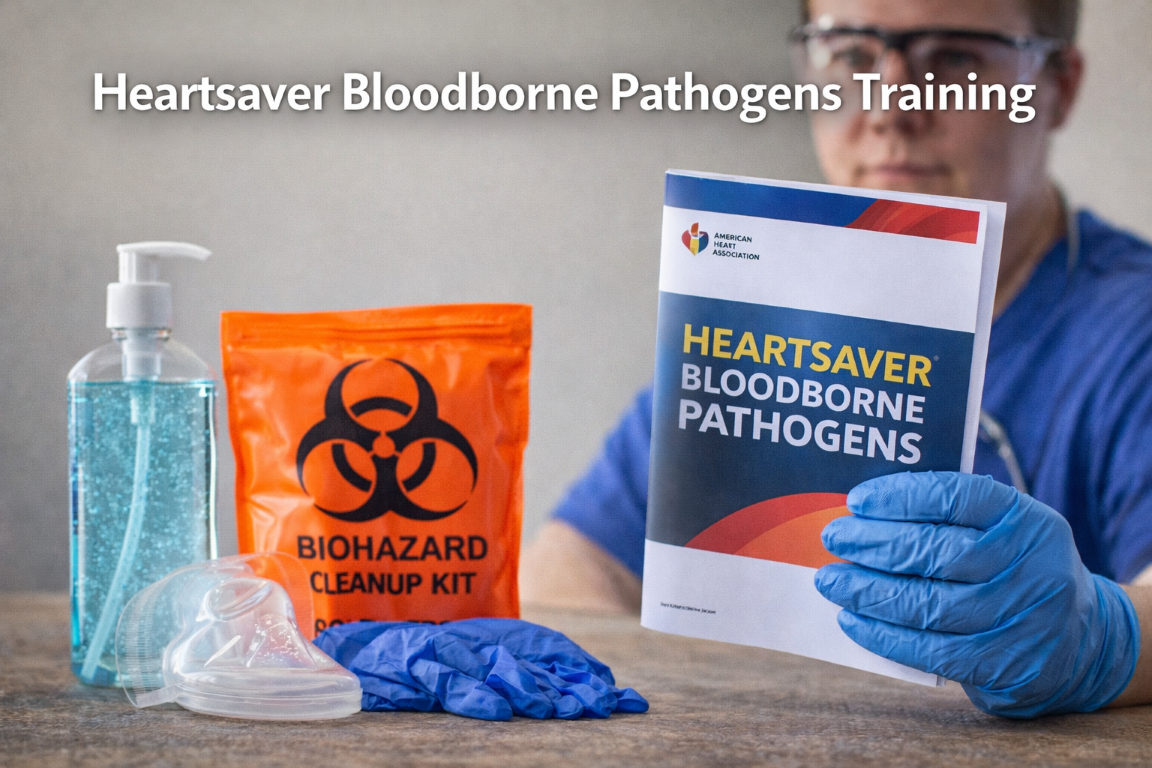

Proper precautions and training can prevent the spread of bloodborne pathogens
By Pearl Salkin, Updated 2026 by Val. If a lab technician at a major medical research center drops a glass beaker, it’s highly unlikely that any bloodborne pathogen present will trigger a chain reaction leading to widespread infection. That’s not luck—it’s the result of strict safety protocols governed by the Occupational Safety and Health Administration […]

VIEW DETAIL

What is Bloodborne Pathogens Training?

The Occupational Safety and Health Administration (OSHA) supports bloodborne pathogens training. It is used to prevent the spread of bloodborne pathogens or viruses. The main pathogens include hepatitis B, hepatitis C, and the human immunodeficiency virus (HIV).  Bloodborne pathogens training is not limited to healthcare workers. Therefore, anyone who works with or around patients can […]

VIEW DETAIL

Protecting yourself Against Bloodborne Pathogens in a Health Care Setting

  Occupations at Risk If you work in a number of occupations, particularly in nursing or as an emergency medical technician (EMT), you are at a pronounced risk of being exposed to bloodborne pathnogens (BBPs). Other occupations that stand the risk of infection from BBPs include police officers, firemen, clinical or laboratory workers, plumbers, hair […]

VIEW DETAIL