In-Pulse CPR gaining AHA Training Center status!

December 14, 2012.  After over a year in the works, Florida based In-Pulse CPR, Inc enters into an agreement with the American Heart Association to become an official AHA Training Center(TC).  Troy Bowman, a spokesman for the company states, “We are now in a position to better provide for our instructors and students”.  Their agreement allows them to oversee Training Sites (TS) and to better support instructors while continuing offering training in Minnesota, Florida, and Pennsylvania.  Mr Bowman states that obtaining this status was far more difficult than he had planned.  In the past, Training Center status was far easier to obtain than it is today.  The AHA now looks at many factors including the companies history, marketing plans, past and expected future growth, and stability of a company/organization seeking Training Center status.  Mollie Bowman is the appointed Training Center Coordinator (TCC), an important role, as she is responsible for all instructors who are a part of the Training Center in following proper AHA guidelines.


###

Ten GREAT Reasons to Drink Water


Fresh, clean water, the great wellspring of life, is so simple it is often overlooked. The human body is comprised of anywhere between 55% – 78% water. The brain alone consists of 90% water, the blood 83%, muscle 75% and bone 22%.


Water is essential for life, even more so than food. Most human beings can go weeks, even months without food but only a few days without adequate water. Water lost through normal bodily activities must be replaced. Lack of water leads to dehydration, a potentially life threatening condition. Every cell in the human body is dependent on water to function properly. Here are just a few great reasons to drink water:

· Water assists the body in nutrient absorption
· Water regulates body temperature
· Water protects vital organs
· Water detoxifies
· Water protects and lubricates joints
· Water transports oxygen to the cells
· Water helps with metabolism
· Water moisturizes the air in the lungs
· Water helps keep the skin (the body’s largest organ) vital
· Water promotes regularity

How Much Water Should You Drink?

We lose water everyday through perspiration, breath, urine and bowl movements. Although there is no hard and fast rule for how much water you should consume daily, there is a general rule of thumb. An easy amount to remember is half of your body weight in ounces per day.

Drink More Water If

· The weather is hot and humid
· You are exercising
· You have an illness with fever, vomiting or diarrhea
· You have dry indoor air
· You are at a high altitude


The Dangers of Contaminated Water

Some water is undeniably better than other water. Experts report that contaminated water kills more people than violence or war. The best source of water is one that filters out the bad and leaves the good. Never assume that your local water source is free of contaminants. Some of the dangers floating in unfiltered tap water include:

· Chlorine
· Fluoride
· Rocket Fuel
· Heavy Metals
· Drugs and Hormonally Active Chemicals


Camping Safety Tips

Camping is an activity that’s enjoyed by millions every year, and the best thing about this activity is that it can be enjoyed year round – winter, spring, summer and fall.

So, whether you plan on roughing it in a tent or planning a family outing to a national park, there’s no reason why you shouldn’t make safety your #1 priority.

To have an enjoyable and safe camping experience, consider the following safety tips:

  • Remember to pack a first aid kit.  You never know if you or a member of your camping group will end up getting stung by a bee and suffer from an allergic reaction.  Or one of you may end up falling and getting injured.  It’s always best to be prepared if the unfortunate should happen.  Make sure to pack these items:  antiseptic wipes for cuts and scrapes, insect repellent, a snake bite kit, pain relievers, bandaids, antibacterial ointment, tweezers, and any medication that you’re currently on.  Be sure to always check the expiration dates before packing the medication and ointment.
  • Don’t forget to bring along emergency supplies.  These supplies include (but are not limited to): map, compass, flashlight, knife, warm clothing, whistle, water, high-energy food and a compact weather radio.
  • Find out the weather report before you leave, and be alert to approaching storms and seek shelter as necessary.
  • Before you leave for your camping trip, always tell someone where you’ll be and when you plan to return home.  This is just in case something happens and someone needs to come find you.
  • Arrive to your actual campsite before it starts getting dark.  This will give you time to check over the entire campsite and set it up.
  • Check for potential hazards at the campsite such as poison ivy, bees, wasps, branches, hazardous terrain, etc.
  • Always return back to your campsite before dark.
  • Be sure to familiarize yourself with poisonous plants in the area.  If you come into contact with any poisonous plants, rinse the affected area immediately with soap and water.
  • Avoid bugs such as hornets, bees, wasps and yellow jackets.  If you come into contact with these, never swat at them.  That’ll only aggravate them.  Simply push them away.  To avoid attracting these stinging insects, remember to never wear cologne or perfume.
  • Only build a fire in a safe area, away from your tent.  Also, you should never use a flame or any heating device inside your tent.  Use a battery-powered light instead.
  • Make sure your tent is made from a flame-retardant material.
  • Make sure your campfire is always attended to.  When you put the fire out, make sure you drown it with water and make sure all of the embers are wet.  This is VERY important because embers that are buried deep within the pile have a tendency to flame back up at a later time.
  • Use a propane stove as a cooking appliance ONLY.
  • To keep bears and other wildlife away, keep your campsite clean and your food securely packed away.
  • Your group should always decide on a meeting place in case one of you should become separated.

First Aid Kit for Hiking

Hiking is a great outdoor activity that can give you well-rounded, and balanced benefits. Most people to hike for the pure enjoyment of the sport; to get out in nature and see the sites. Exercise is another motivating factor behind hiking. It is a great way to get a good cardio, as well as muscle toning benefits in one mode of exercise.

As enjoyable as hiking can be, there are a number of risks involved, especially depending on where you choose to hike. Because accidents do and can happen during even the most benign hike, you will want to make sure you carry a first aid kit. In your first aid kit you should have specific items so that you can tend to a variety of issues or injuries because no matter how much you plan, there is always the risk of that unexpected accident.

Putting together a first aid kit properly is important. There are certain items that should be a staple in each kit. Other items may not be necessary; and can just bulk up your kit and make it heavier and harder to carry on a casual hiking excursion.

For a generalized first aid kit, you will want to make sure you have the following:

Ÿ  Insect repellant

Ÿ  Pocket knife

Ÿ  Ace bandages

Ÿ  Sterile bandages

Ÿ  Bandage tape

Ÿ  Antiseptic lotion or ointment

Ÿ  Blister protectors

Ÿ  Pain reliever, such as Tylenol

If you suffer from allergic reactions, you will also want your allergy meds, whether it is an over-the-counter allergy medication such as Benadryl, or you require an Epi-Pen. You never know if you will encounter allergens on a hike or a bee sting, and as any doctor will tell you, it is better to be safe than sorry. It is better to be prepared and not need it, rather than not have what you need, and wish you had it.

Nothing can replace being prepared for an unexpected injury. The better you are prepared to handle injuries on your hike, the more enjoyable it will be. You will be able to hike and know that should an injury occur, you are prepared to deal with it.


Packing for Camping Safety


There is nothing more peaceful than a trip to the great outdoors. Being amongst nature is a relaxing departure from the daily grind. Camping may seem, to some, a rather passive activity requiring little forethought. However, this could not be further from the truth. Without proper packing, camping can indeed be extremely dangerous. Smart packing means safe camping, don’t be caught without these essential items.


  • First-aid kit- No matter whether you are camping in a busy campground or out in the wilderness, a fully stocked first aid kit is essential. Don’t forget the insect repellent and sunscreen. Learn how to administer basic first aid and CPR in case of an emergency.


  • A map, compass or GPS – It is fun to take off from your campsite and meander through the woods, however, you if you lose your bearings you will wish you had brought a locator and a map.


  • A flashlight, lantern and extra batteries – Once the sun goes down it is exceptionally dark, especially in remote camping areas. A flashlight and lantern come in handy for finding your way safely in the dark, warding off wildlife or enjoying after-dark activities in your tent.


  • Bottled water – Plenty of fresh water is essential, especially if you are going to be doing a lot of hiking or other physical activity or if it is extremely hot.


  • High-quality waterproof tent – Don’t skimp on the quality of your tent. Be sure it allows for ventilation and will keep you dry.


  • Waterproof fire starter – Fire keeps you warm and allows you to cook your food.


  • A Swiss army knife – A multifunctioning knife is an invaluable tool for any camper and takes up very little space in your pack.


  • Hand sanitizer and soap – Good hygiene is just as crucial while camping, as it is anywhere else. Always wash your hands before handling food and after using the restroom.


  • High-energy food in secure containers – Always pack food that will provide quick energy and require minimal preparation. Be sure to store all food in airtight containers.


  • Rope – Rope is useful for a drying rack, to tie garbage up where animals cannot reach it or to secure items during high winds.


  • Battery-operated weather radio – A pleasant day can suddenly become stormy. A weather radio warns of inclement weather allowing you plenty of time to seek shelter.


  • A whistle – Warn others of danger or your whereabouts with a whistle. Always wear the whistle while hiking and use when you need help.


Are you really safe when you go to the beach?


Swimming seems like such a simple thing. It’s something that most Floridians don’t really give a second thought to. But how do you know when you are at the beach with your family that you are really safe? There are many dangers when going to the beach.

For children, it’s probably a good idea to make sure they know how to swim properly before going into the water. Perhaps try looking up some swimming classes online if you need to. A qualified instructor can ensure that everyone knows how to swim.

Make sure not to leave your children unattended, not even for a short amount of time. Another good idea is to designate a specific area where it is known to be safe for your child to swim. This area should be free from things like dangerous rocks, boating activity, and very deep water. Make sure your child always stays in the designated swimming area. Avoid large waves.

It’s always best not to rely on a flotation device to save your life, even if it is designed for that purpose. Most pool toys are not made to save lives, only for fun for those who already know how to swim.

It’s a good idea to check the news and local weather for the tides and weather forecast  Also, watch out for rip currents, also known as undercurrents or undertow. If it’s going to storm, it’s best to reschedule the outing for another day.

It’s a good idea to have a talk with all family members, and make sure everyone understands what to do in an emergency. You should also familiarize yourself and your family with how to signal for help, and how to recognize another’s signal for help. It’s important to make sure everyone knows CPR, as well. It could save lives. Many mishaps and accidents could be prevented with proper planning.

Also, it is important that people understand the different aquatic wildlife in the area. Many species are poisonous or dangerous to humans.

With so many dangers out there, it’s important to be fully prepared for any emergency or situation that might come up. Hopefully in the future we can all learn to be more cautious when going to the beach.

Beach Safety Tips for a Safer Summer

Beach Warning Flags

 You see them flying on all of Florida’s public beaches, they are there to let swimmers know if it is safe to swim or not but, do you really know what they mean? The beach is a wonderful place to spend a hot summer day but, the ocean can change very quickly and knowing what the Beach Warning Flags mean can mean the difference between life and death for you, your loved ones, or others near by.

Why Do Public Beaches Need Warning Flags?

Public beaches as well as many private beaches in Florida have many visitors each year. Often these visitors don’t realize that there are many natural occurrences in the ocean that can and do affect the safety of swimmers such as; tide, rip currents, marine life that may be in the area. The Beach Warning Flags warn us of such dangers.

 What Do They Mean

There are five different Beach Warning Flags, each meaning a different thing and each, a different color. As in most cases RED indicates danger and is the most significant of the Beach Warning Flags and should be adhered to always.

Double Red –Water is closed to swimmers, sometimes this flag has a picture of a swimmer with a white line through it, which again means No Swimming!

Single Red – One red flag means that you can still swim but, you should use extreme caution and get out of the water if at any time the current becomes stronger or the waves larger. Stay within sight of a Lifeguard at all times.

Yellow – Moderate waters can be really fun to play in but, extreme caution is necessary when the yellow flag is flying. A yellow flag represents strong dangerous currents, surf, undertow, rocks, sudden drop offs, or any number of potential dangers, If you’re unsure ask the life guard.

Green – The Green Beach Warning Flags says that all is good and it’s okay to swim. Just remember that the ocean can change very quickly so it’s always a good idea to keep an eye on the Beach Warning Flag and the Lifeguard.

Blue or Purple – Dangerous marine life such as sharks and jellyfish can really mess up a day at the beach but, they are a part of the ocean and to be expected from time to time. If you see a blue or purple flag it doesn’t mean that can’t swim, only that you should be cautious while swimming and keep an eye out. These flags are often used in conjunction with other flags.


Severe Weather Safety Tips

In 2011 Atlanta, GA suffered from more severe weather than it has in many years. It seems as though the weather here in Atlanta gets worse every year; with everything from snow storms that last for weeks to a battery of tornados, and thunder storms that rage across the state like an angry bull.

Be Ready For Severe Weather When It Arrives

Severe weather can be frightening but, more than that it can be deadly. Being prepared for severe weather such as tornados, snow storms, floods could mean the difference between life and death for yourself or your loved ones.

Severe Weather Emergency Kits

Before severe weather actually arrives put together several Emergency Kits. Think of places where you might need to keep them in order to be able to get to them in an emergency such as: your home, garage, office, car, barn, or outside storage building, somewhere that you might be able to get to them in a time of need.

In the event of a disaster you will likely need several of these kits. It is advisable that you make one large kit to keep in or around the home, (underground if at all possible) and several smaller kits in other places: office, car, outdoor tool building.

Kit One the Largest and Most Important Kit

Things You Will Need:

* Large Duffle Bag Style Bag

The Bag itself should be a duffle bag style that is weather proof, water proof, and tough. It should be large enough to hold everything in the kit and it needs to have reflective material on the outside or glow in the dark spray paint will work just fine. There is always the chance that you will be trying to find this bag in the dark without a flashlight.

* Water

One of the most important things that we can have in our emergency kits is clean water. Each kit should have at least 3 gallons of water per person in food grade plastic containers. Additional water should be kept for sanitation purposes.

* Food

A three day supply of food for each person should be enough in most situations but, rationing your food during a situation where you aren’t sure when you’ll get more would not be a bad idea. Food that won’t spoil, doesn’t need to be refrigerated, cooked, and doesn’t require a lot of preparation or water to be eatable is best for the emergency kits.


Types of Foods That Will Keep Well For Several Days:

Cereal Bars                Canned Meats                     Canned Juices    Canned Fruits                   Canned Vegetables              Energy Bars

Crackers                             Candy Bars                           Canned Soups

Peanut Butter                     Beef Jerky


* Important Documents of course you won’t keep original documents here but, a sealed dry packet containing copies of all family members important documents could prove to be very helpful in many situations.

Social Security Cards                            Copy of Wills

Bank account numbers                       Insurance Policies

Birth certificates                                   Contracts

Marriage certificates                           Titles

Death certificates                                 Phone numbers

Household inventory                           Passports


More Necessary Items

* Whistle possibly the most important items in your kit. Each person should have a metal police type whistle on a string around their neck during bad weather. If someone were buried or lifted and thrown the sound of that whistle can be heard much farther than a voice.

* Battery Operated radio or even better they kind that can be charged by turning a handle.

* Flashlights and glow sticks (You can buy flashlights that operate buy turning a handle as well)

* Extra batteries

* Dry, comfortable clothing and shoes

* Blankets or water proof sleeping bags if possible

* Plastic rain ponchos (they’re cheap easy to store and very light weight)

* Can opener (manual type)

* Plastic ware

* Sharp Kitchen Knives Be certain that these are wrapped several times in towels or stored in some type of plastic container to prevent someone from getting cut while moving the bag from place to place.

First Aid Kit

In an emergency situation it’s not always possible to get to a doctor right away and a first aid kit could be all that you have so make it as good as you can. You will need at least 2 of these, place one with the large kit and one with the car kit.

The best container for this is a high quality fishing tackle box that is water proof and spray painted with glow in dark paint.

Different types and sizes of Bandages

2” Gauze pads 10pk                        4” Gauze pads 10pk

2” Roll Bandages 3-4 rolls              3” Roll Bandages 3-4 rolls

Vaseline                                             Tweezers

Assorted Band-Aids                         Scissors

Thermometer                                  Needles (one pkg)

Soap                                                 Latex glove

Clean White Towels in Plastic bags

Safety pins (assorted sizes) Use to hold bandages in place.


Medications

Any prescription medication that family members must have should be kept here as well such as insulin, prescription glasses, and medication for high blood pressure.

Over The Counter Medications

Activated Charcoal (for poison control)

Syrup of Ipecac (to induce vomiting incase of poisoning)

Triple- antibiotic                             Peroxide

Alcohol                                            Pain Reliever (non-aspirin)

Antacid                                            Imodium (for relief of diarrhea)

Laxative


Depending on where you’ll be keeping your kits and how much space you actually have the more you are able to put up for an emergency the more comfortable and ready you and your family will be.


It’s a good idea to at least have 2 smaller kits in different places the smaller kits should contain as many of the items as possible and still be portable. Keeping in mind that clean water, food, light, and a whistle are very items to have important during a disaster.


Making sure that you and your family are safe is a full time job we hope that this article has helped to lighten that burden.


Winter Play Safety Tips for Children


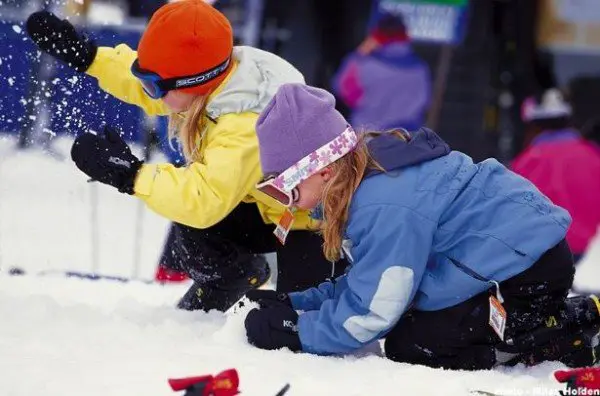
Snow is one of nature’s greatest toys for all ages. You can mold it, build with it, slide on it, throw it, and so much more. No matter how old you are, it is important to be safe when playing outside in the fresh powder. These six simple guidelines can help everyone make the most of their time in a winter wonderland.

  1. Refrain from Eating Snow- Even if you start to get thirsty, it is never a good idea to pick up snow and eat it. There are several reasons for this. Contrary to what most people think, some forms of snow can dehydrate the body. To melt the snow our bodies have to heat it up. This takes heat away from keeping us warm and lowers the body temperature. Snow in urban or suburban areas can be dirty and make us sick. The only time someone would ever need to eat snow would be if they were out in the wilderness. Then they would have to put it into a water bottle and put it against their body to melt it before drinking it.


  1. Be Aware of When You Start to Sweat- Between the heavy clothing and running around in the snow, our bodies start to sweat. This is the body cooling itself down. It sounds easy enough just to take off our winter coats to cool off, but it can do more harm than good. When we sweat, our pores open up and make our skin susceptible to cold. This is why it is best to dress in layers when playing outside in the cold. Shedding layers helps to cool us down without letting too much cold get in. If you start to sweat too much, it’s time to go back inside and rest.


  1. Protect Your Hands and Feet- It’s fun to make a snowman or lay down and make a snow angel, but long exposure to snow can hurt human skin and cause frostbite. Frostbite is when the skin cells freeze and die. It’s almost like a burn from cold. Wear gloves when you need to touch the snow and never go outside barefoot. It looks easy in Christmas movies, but it can cause a lot of harm.


  1. Keep Your Head Covered– A lot of heat escapes from our heads in the cold weather, making our body temperature go down much faster. Our mouth, nose, and eyes are wet and are more susceptible to the cold. Wear a hat or a hood when going out to play in the snow to keep your head from getting sick. Your ears will thank you too.


  1. Stay Active- Moving around keeps the blood pumping and warms up the body naturally. Don’t just sit and watch everyone else have fun. Build a snowman, go sledding, or make a snow fort. If you start to feel tired, go inside and rest for a few hours and then go out again. Snow is for playing in for short bursts and then going inside to warm up.


  1. Go Out With a Friend or Parent– Playing in snow can easily dehydrate and tire someone out so going out alone is never a good idea. Sledding and ice skating are lots of fun but they can be dangerous. Every year they cause unexpected injuries for even the most experienced at winter sports. If you are in the woods or not in view of a house, you should have an adult with you. If you are in a well populated area with other people, a friend will do fine.