

Beach Safety: Lightning, Jellyfish, Sharks and First Aid
Written by Pearl Salkin
Updated September 2026 with current beach-safety and First Aid guidance.
A day at the beach should be relaxing.
But beaches also come with hazards that can turn a fun afternoon into an emergency very quickly.
A little preparation, attention to the weather, and basic beach safety and First Aid knowledge can make a big difference.
 Lightning Safety at the Beach
 Lightning Safety at the Beach
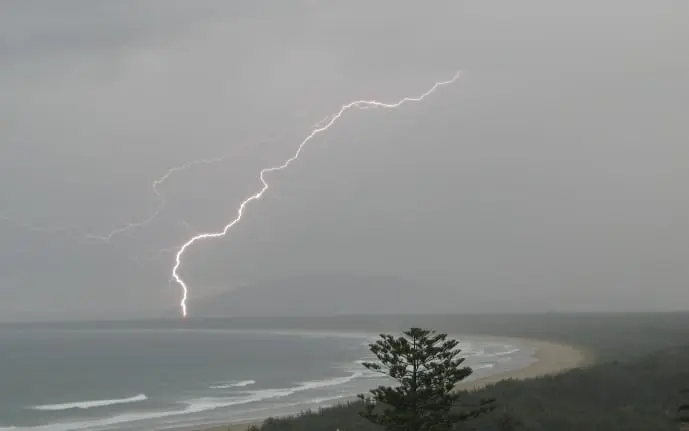
Lightning is one of the most serious beach hazards.
If you can hear thunder, you are already close enough to a storm to be at risk.
If thunder is heard or lightning is seen:
- Leave the beach immediately
- Get inside a substantial enclosed building or hard-topped vehicle
- Do not shelter under an isolated tree
- Stay out of the water
- Wait at least 30 minutes after the last thunder before returning outside
At many beaches, your vehicle may be one of the safest nearby places to wait out the storm.
Jellyfish Sting First Aid
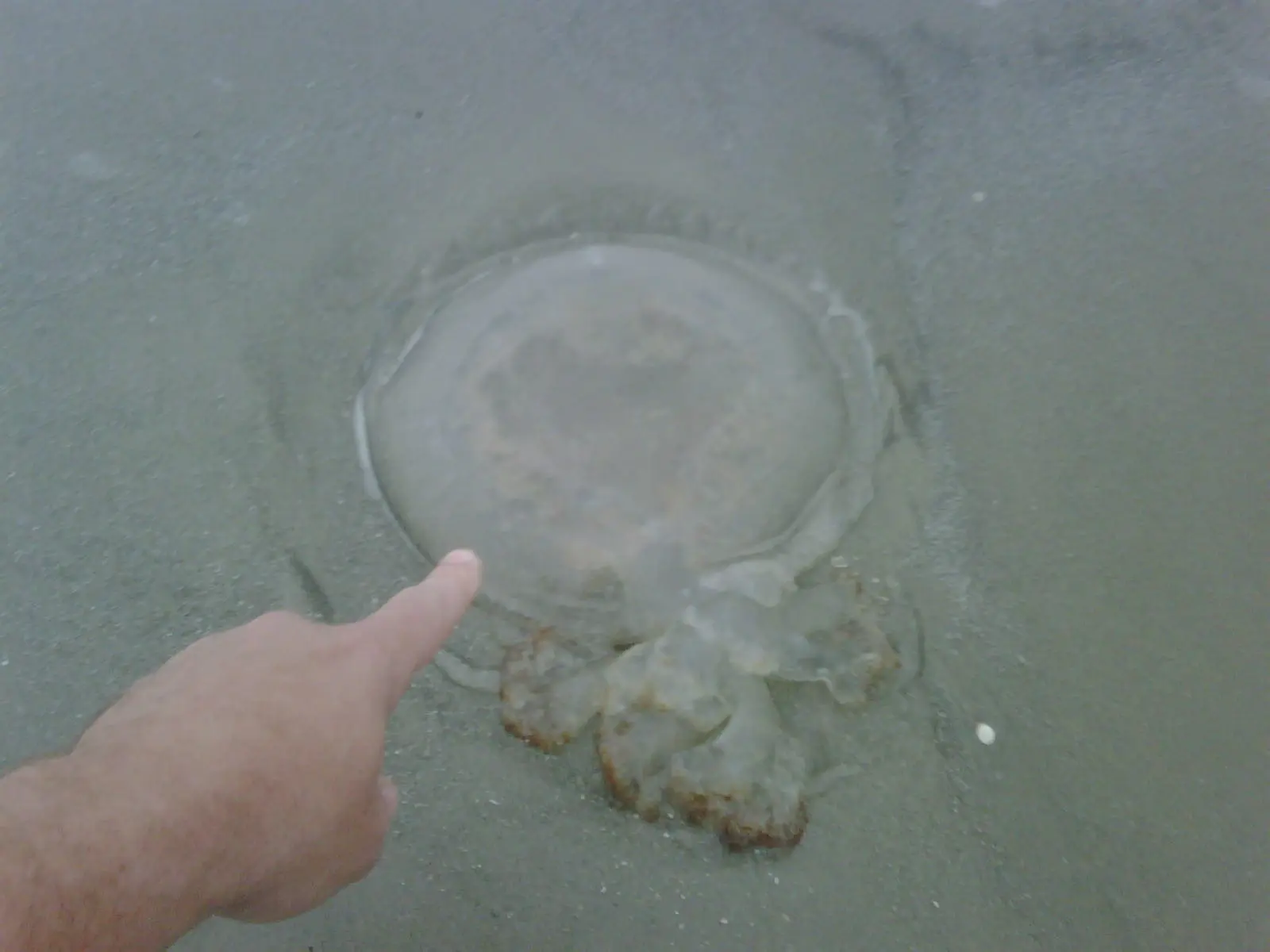
Most jellyfish stings cause localized pain, redness, or irritation, but serious reactions can occur.
Current American Red Cross guidance recommends getting the person out of the water, carefully removing tentacles without touching them with bare hands, and using hot, nonscalding water for at least 20 minutes or until pain improves. Seawater may be used to flush away tentacles if needed.
Call 911 if the person has severe symptoms, difficulty breathing, signs of shock, or a serious reaction.
For a typical jellyfish sting:
- Get the person safely out of the water
- Remove visible tentacles using gloves, a towel, plastic bag, or another barrier
- Use seawater if needed to rinse away remaining tentacles
- Immerse the affected area in hot but nonscalding water
- Monitor for worsening symptoms
Vinegar is not a universal treatment for every jellyfish sting because recommendations can vary by species and region.
If the person becomes unresponsive and is not breathing normally, call 911 and begin CPR.
 Shark Safety: Keep the Risk in Perspective
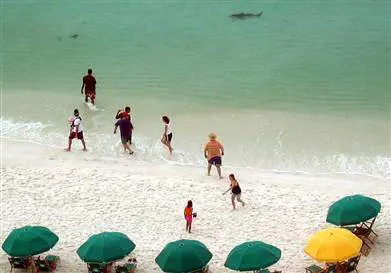 Shark Safety: Keep the Risk in Perspective
Shark bites are rare, but a few simple precautions can reduce risk.
The Florida Museum of Natural History’s International Shark Attack File recommends:
- Swim with a buddy
- Stay relatively close to shore
- Avoid swimming at dawn or dusk
- Avoid areas where people are fishing or schools of fish are present
- Avoid shiny jewelry
- Avoid excessive splashing
- Leave the water calmly if a shark is seen nearby
The Florida Museum emphasizes that the relative risk of a shark bite is very small.
The goal is awareness, not fear.
Cuts From Shells, Rocks, or Debris
Broken shells, fishing gear, rocks, and other sharp objects can cause surprisingly deep injuries.
For minor wounds:
- Rinse away visible dirt and debris
- Keep the wound clean
- Cover it with an appropriate dressing
For serious bleeding, apply firm direct pressure immediately and call 911.
For life-threatening bleeding from an arm or leg, a trained rescuer may also use a tourniquet when appropriate.
This is one reason a basic First Aid kit belongs in the beach bag alongside sunscreen and towels.
Rip Current Safety
Rip currents are among the most important hazards for swimmers to understand.
NOAA advises swimmers caught in a rip current to remain calm, avoid fighting directly against the current, signal for help, and swim parallel to the shoreline to escape the current when possible.
Whenever possible:
- Swim near a lifeguard
- Never swim alone
- Closely supervise children
- Pay attention to posted flags and warnings
- Stay within your swimming ability
- Check local beach conditions before entering the water
If caught in a rip current, remember that the current generally pulls you away from shore, not underwater. Fighting straight against it can quickly cause exhaustion.
Beach Safety Is Especially Important in Florida
For families visiting beaches around Tampa Bay, Clearwater, St. Petersburg, Sarasota, Bradenton, Fort Myers, and other Florida coastal communities, conditions can change quickly.
A calm morning can turn into an afternoon thunderstorm.
Water conditions can shift.
A small injury can become more serious if no one nearby knows basic First Aid.
That makes preparation just as important as sunscreen.
Knowing CPR and First Aid Matters
Beach emergencies can involve:
- Drowning
- Lightning strikes
- Severe bleeding
- Allergic reactions
- Heat illness
- Sudden cardiac arrest
Knowing how to respond before professional rescuers arrive can make a critical difference.
In-Pulse CPR provides hands-on American Heart Association CPR, AED, BLS, and First Aid training throughout Florida and our other training regions.
View Upcoming Florida CPR and First Aid Classes
Businesses, schools, churches, and community organizations can also schedule private on-site CPR and First Aid training.
Learn About On-Site CPR Training
Enjoy the beach.
Just bring good judgment, basic emergency knowledge, and a healthy respect for the weather and water along with the sunscreen.
Updated September 2026: This article was originally written by Pearl Salkin and has been substantially revised to reflect current guidance on lightning safety, jellyfish stings, shark-risk reduction, bleeding control, rip currents, CPR, and First Aid.
