What is CPR
 by Mollie Bowman
- Sep 08, 2026
- 4
- Category: What is CPR
Cardiac arrest is often caused by an abnormal heart rhythm called ventricular fibrillation (VF).


 by Mollie Bowman
Cardiac arrest is often caused by an abnormal heart rhythm called ventricular fibrillation (VF).
 by Mollie Bowman
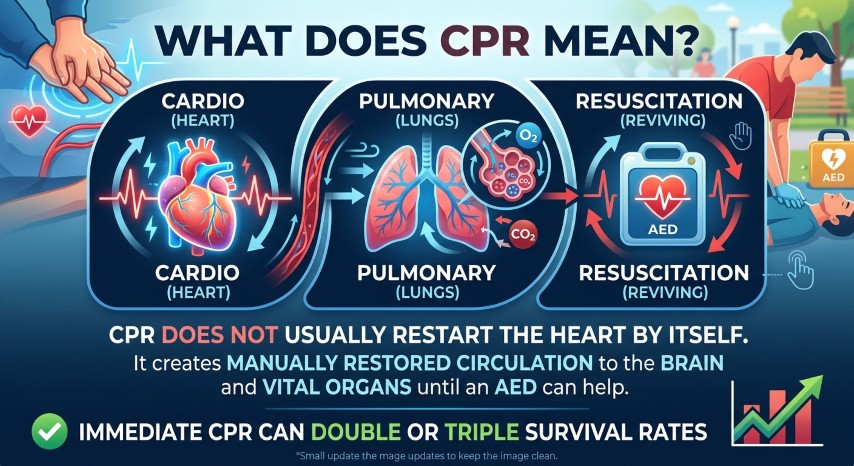
Cardiopulmonary Resuscitation or CPR is simply a way of “buying time”
 by Carol Theis
“Do I give breaths?” “Do I start chest compressions?” “What exactly is rescue breathing?” These are common questions in CPR classes, and the terminology can sound more complicated than it really is. The simplest way to understand it is this: CPR is used when the heart is no longer pumping effectively. Rescue breathing is used […]
 by Troy Bowman
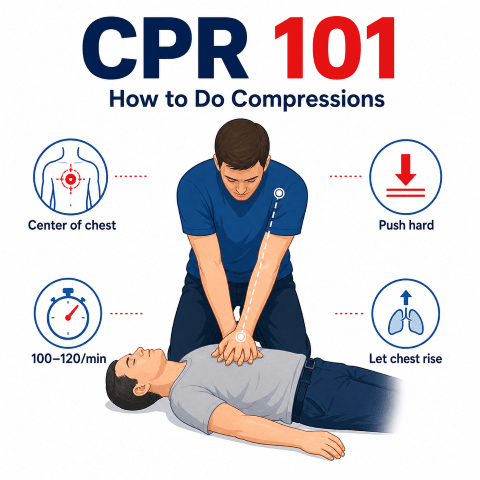
CPR Chest Compression Technique: How to Push Hard, Push Fast, and Help Save a Life Sudden cardiac arrest does not usually give people much time to think. The tragedy that just happens… One moment, someone may be standing, talking, or sitting at the dinner table. The next, they collapse. They do not respond when you […]
 by Peter J J Klotunowitch
By Peter J Klotunowitch – Updated 2026 Cardiac arrest is still one of the leading causes of death in the United States. It can happen suddenly, often when an electrical problem in the heart causes it to stop pumping blood the way it should. When that happens, every minute counts. The person does not need […]
 by Nupur Agarwal
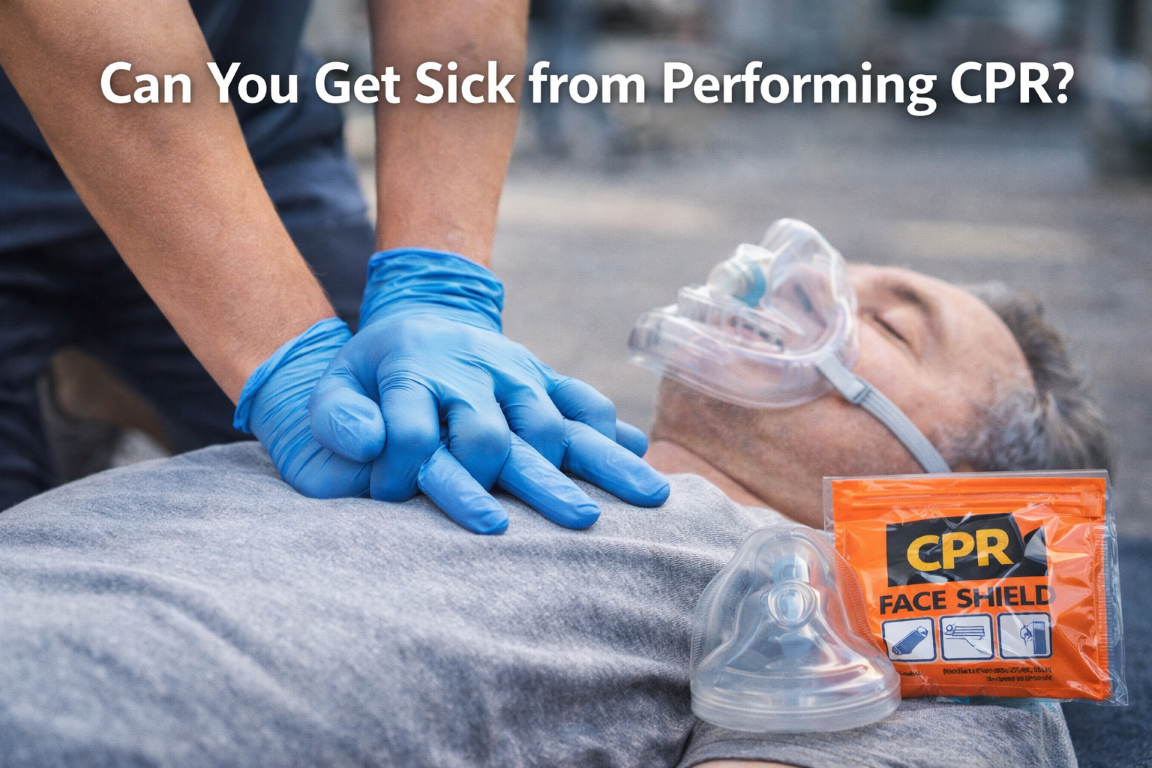
Real CPR is very different from classroom CPR. You come in contact with a lot of bodily fluids when actually performing CPR in a real life situation. To assuage the public’s fear, CPR training now incorporates personal protective gear
 by Axe Vale
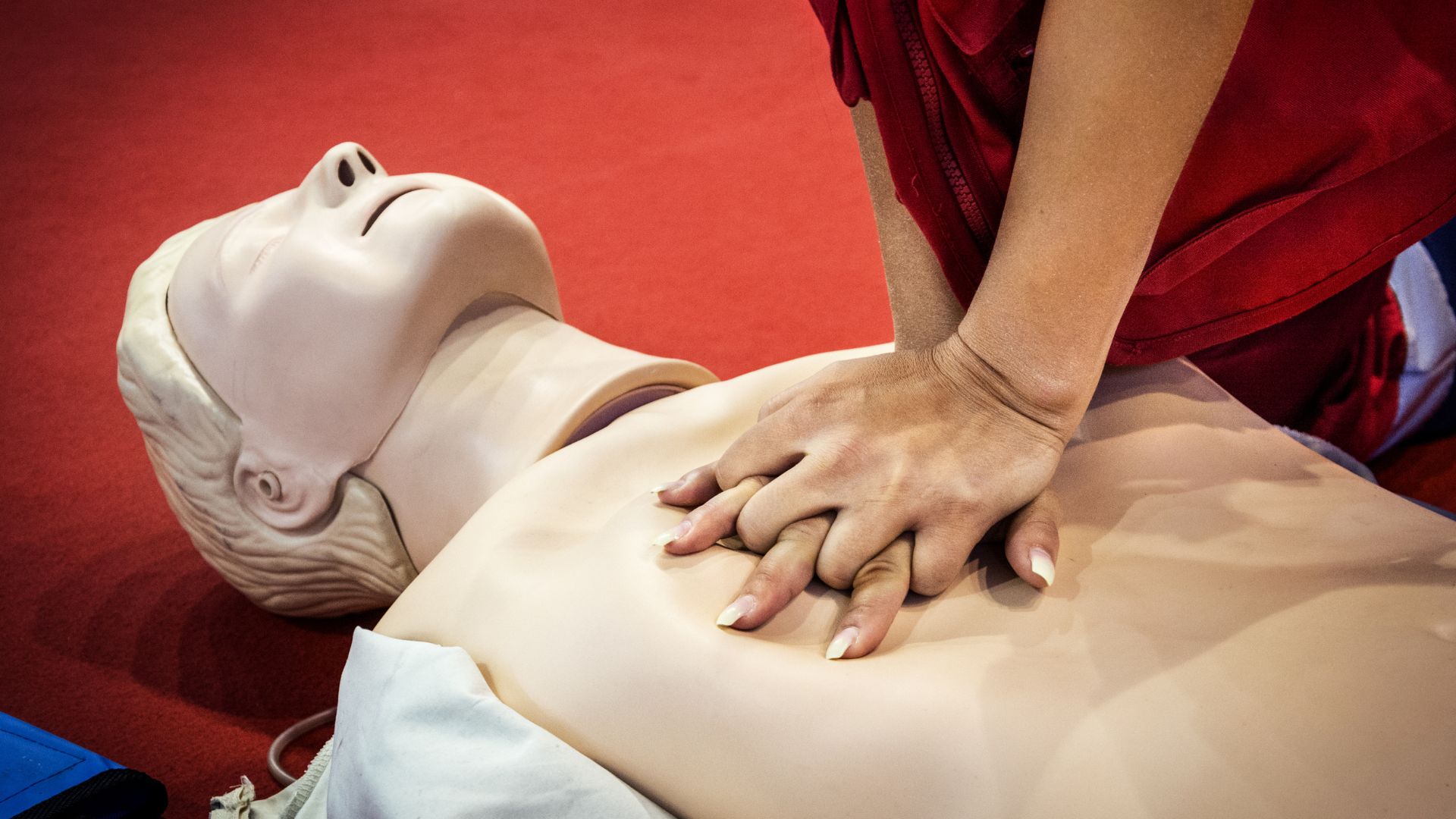
Cardiopulmonary Resuscitation (CPR) is an emergency medical procedure used to preserve brain and organ viability in a person experiencing cardiac arrest, defined as the abrupt cessation of effective cardiac mechanical activity resulting in loss of systemic circulation. When the heart stops pumping, cerebral perfusion drops to zero, and irreversible neuronal injury begins within 3 to […]
 by Troy Bowman
CPR is something people do when someone’s heart stops working. Your heart is like a pump.It pushes blood around your body so your brain and body get air and energy. If the heart stops, the blood stops moving.That means the brain does not get the air it needs. That is very dangerous. CPR is when […]
 by Troy Bowman
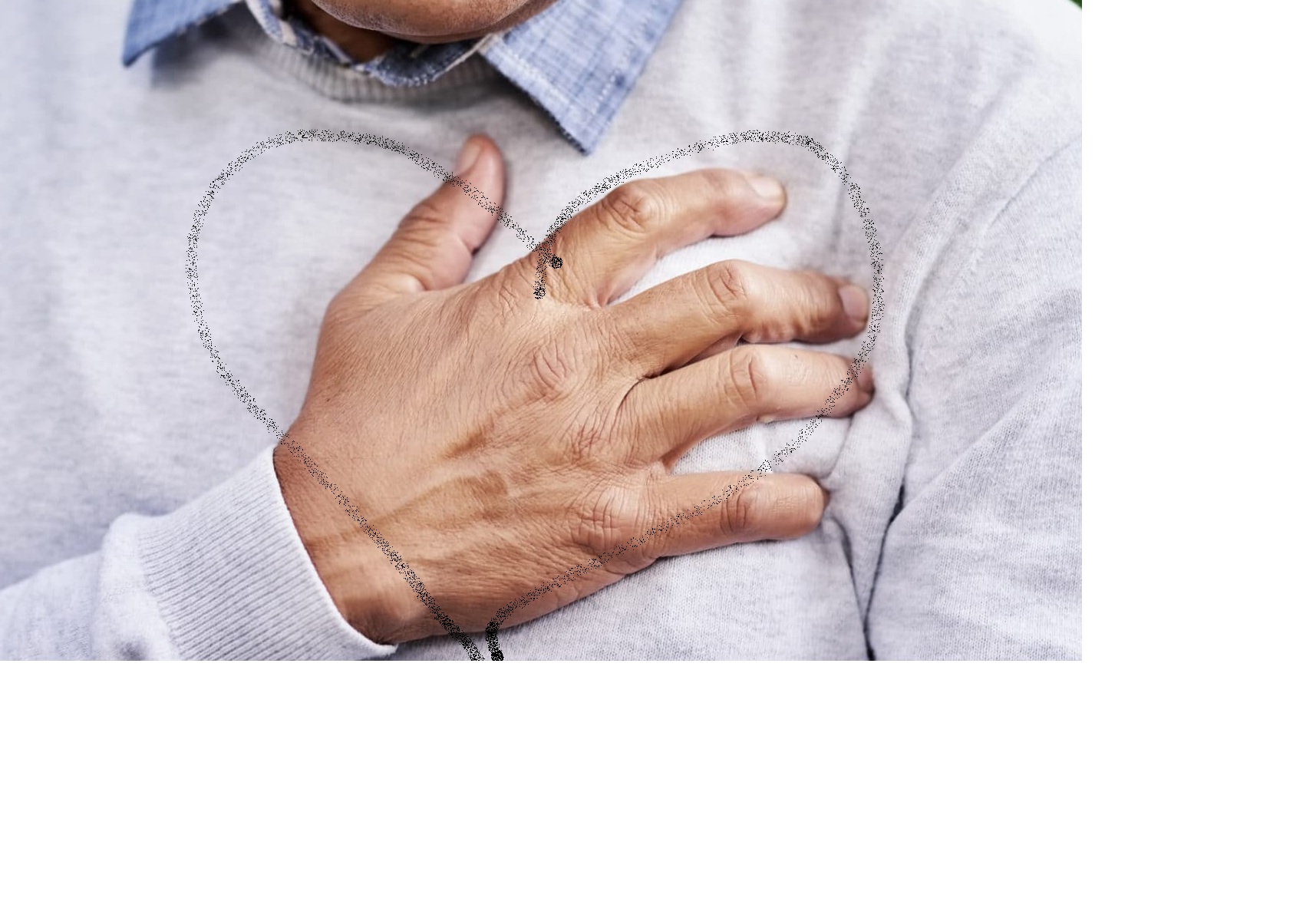
In the bustling streets of New York, 35-year-old Shawn was rushing to catch the subway when he suddenly collapsed. Bystanders watched helplessly as this seemingly healthy young professional lie motionless on the platform. What they witnessed was a chilling example of a silent killer. It can strike anytime, anywhere and can affect anybody, regardless of […]
 by Siam B
Cardiopulmonary resuscitation (CPR) is a lifesaving procedure that can be used to save lives in emergencies like drowning or heart attack, where the individual’s heartbeat and/or breathing have suddenly stopped. CPR can be performed anywhere when an individual develops cardiac arrest including areas outside the hospital like an airplane, swimming pool, or even a shopping […]
 by Siam B
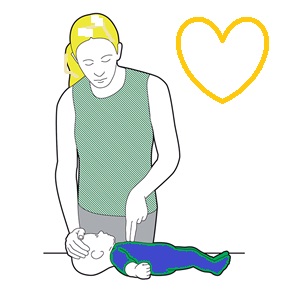
Introduction There are some subtle differences in performing CPR in babies compared to adults and older children. Babies are not only smaller in size but are also fragile- CPR done inappropriately can cause damage to many internal organs in children less than 1 year of age. But it is important to know how to perform […]
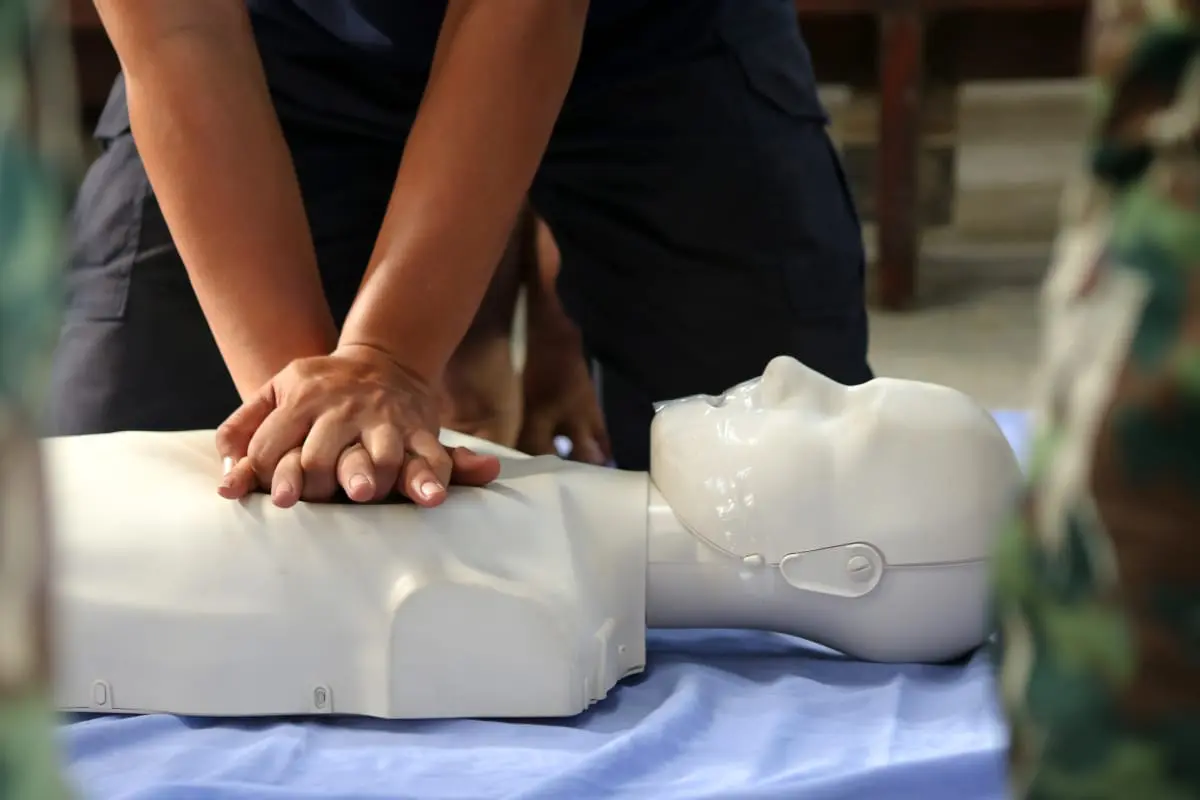
by Siam BThe protocol for CPR in children is similar to that in adults. Safety First Always make sure that the child is away from any impending danger. CPR should always be done in a safe location The next step is to check the child’s level of consciousness. Do this by tapping the child on the shoulder […]
 by Anonymous
CPR courses are organized and taught to help provide medical professionals, first responders, caregivers, and everyday people the training and tools to help resuscitate an unresponsive person. But how did the medical science behind resuscitating people develop over time to become a well-researched and highly effective method of saving lives that just about anybody can learn to do?
 by Donna Ryan
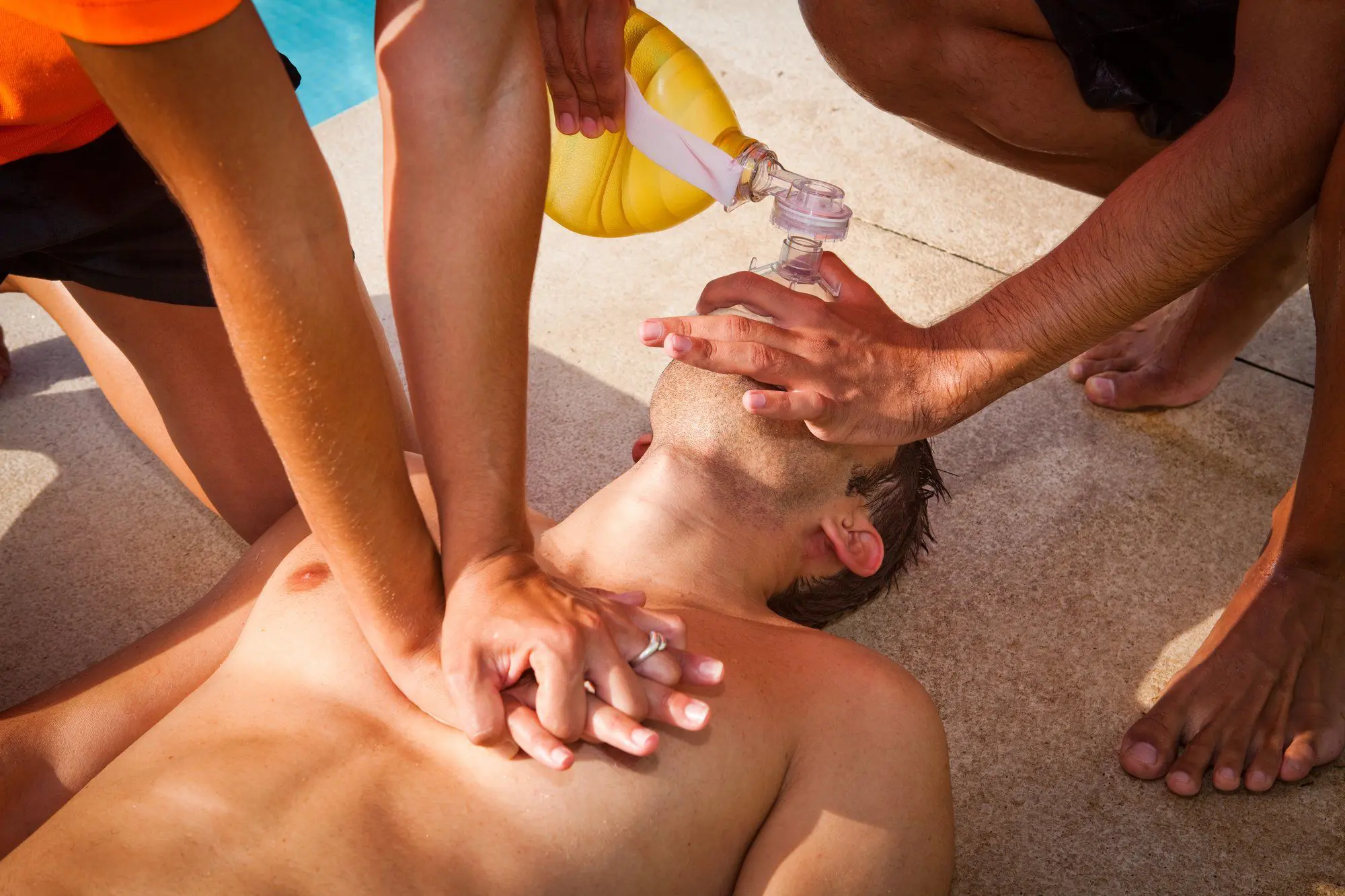
Around 275,000 people, per year, experience OHCA (out-of-hospital cardiac arrest) incidents. This finding was reported by the National Center for Biotechnology Information (NCBI) in the U.S. National Institutes of Health’s National Library of Medicine archives. This number pertains to people living in Europe. U.S. Statistics for OHCAs It has also been found that a large […]
 by Derek Walborn
Common CPR questions How do I know if the CPR is actually working? While it is difficult to know if applying chest compressions are having an effect on a person’s pulse, you can take note of whether or not the victim’s chest is rising when you breathe into their mouth. Can I accidentally kill someone […]