

Common Household Injuries and the Importance of First Aid
Introduction
On any given day, nearly 62,000 injuries occur in and around the home in the United States. That breaks down to hundreds of injuries every minute—most of them minor, but many serious enough to require immediate attention. Cuts, bruises, and scrapes are common, but more dangerous incidents such as burns, poisonings, choking, and suffocation happen far more often than most people realize.
We tend to think of our homes as safe spaces—and they should be—but accidents don’t need much invitation. A wet floor, a hot stove, a loose rug, or a small object within a child’s reach can quickly turn an ordinary day into an emergency.
Where Household Injuries Happen Most
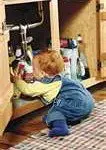
Even in well-maintained homes, certain areas naturally carry higher risk. Understanding where injuries happen is the first step toward preventing them.
Common injury zones in the home:
- Kitchen: burns, cuts, fires, and food-related choking
- Bathroom: slips, falls, and accidental poisoning (medications, cleaning supplies)
- Living areas: trips, falls, and furniture-related injuries
- Garage/basement: tool injuries, chemical exposure, and sharp objects
- Yard/outdoor spaces: falls, equipment injuries, insect stings, and heat-related issues
👉 Most injuries are not caused by “unsafe homes,” but by unpredictable moments in familiar environments
Why Prevention Isn’t Enough
Safety-proofing your home—installing smoke detectors, securing cabinets, using non-slip mats—is important. But even the safest homes cannot eliminate risk entirely.
The real question becomes:
If something does happen… would you know what to do?
- Would you know how to treat a severe burn?
- Could you respond quickly to choking?
- What if someone stopped breathing due to an allergic reaction?
These situations unfold fast, and waiting for help without taking action can make outcomes worse. In many cases, the difference between recovery and tragedy comes down to what happens in the first few minutes.
Common Household Injuries (Quick Chart)
Here’s a simple breakdown you can use visually on your site:
Most Frequent Household Injuries:
- Cuts & lacerations → most common, usually minor but can involve heavy bleeding
- Burns (thermal, electrical, chemical) → can escalate quickly without proper care
- Falls → leading cause of serious injury, especially for children and older adults
- Poisoning → often involves medications or household cleaners
- Choking & suffocation → requires immediate response to prevent brain injury
Time Matters in an Emergency
In many household emergencies, time is the deciding factor.
- Time is critical
- Every second counts
- Minutes matter
- Delay = danger
What this represents:
As time without care increases, outcomes decline rapidly—severe bleeding, choking, and breathing emergencies can become life-threatening within minutes, but immediate first aid can stabilize the situation until EMS arrives.
-
In the event of a first aid emergency:
- 0–2 minutes: Quick action can stop bleeding, clear an airway, or remove a hazard before the situation worsens
- 2–5 minutes: Conditions like choking, severe allergic reactions, or heavy bleeding can rapidly become life-threatening
- 5–10 minutes: Lack of oxygen or continued blood loss can lead to serious injury, shock, or organ damage
- 10+ minutes: Risk of permanent damage or death increases significantly without intervention
First aid is not about replacing professional care—it’s about bridging the gap until help arrives
The Role of First Aid Training
Learning first aid equips you with practical, real-world skills that can be used immediately in an emergency. It allows you to take control of a situation rather than feeling helpless.
With proper training, you can:
- Control bleeding and prevent excessive blood loss
- Treat burns to reduce severity and complications
- Respond effectively to choking incidents
- Recognize signs of serious conditions like shock or allergic reactions
- Provide care that stabilizes a person until emergency responders arrive
Just as importantly, training builds confidence. In an emergency, people often hesitate—not because they don’t care, but because they’re unsure. First aid training replaces that uncertainty with clear action.
A Skill for the Entire Family
One of the most valuable aspects of first aid is that it’s not limited to professionals. It’s a skill that can be learned by anyone and shared within a household.
Families who learn first aid together create a safer environment for everyone. Children become more aware of risks, adults feel more prepared, and everyone gains the ability to respond when it matters most.
Training is also quick and accessible. Most courses can be completed in just a few hours and provide hands-on experience that sticks with you long after the class ends.
Staying Prepared Over Time
Like any skill, first aid should be refreshed periodically. Taking a refresher course every couple of years helps ensure that your knowledge stays current and that you can act quickly without second-guessing yourself.
It’s also important to:
- Keep a well-stocked first aid kit easily accessible
- Know emergency numbers and basic response steps
- Review safety practices in your home regularly
Preparation doesn’t eliminate emergencies—but it changes how they end.
Final Thought
Accidents at home are common, but being unprepared doesn’t have to be. First aid training gives you the ability to respond, stabilize, and protect the people around you when something unexpected happens.
It’s a simple investment of time that can make an extraordinary difference.
For information about local first aid classes, visit inpulsecpr.com.
