
Sudden cardiac arrest can strike anywhere—on ballfields, at community events, or even in the middle of teaching others how to save lives. In Pennsylvania over the past year, two incredible real-world rescues underscore the lifesaving impact of early CPR and AED use, and why training matters for every community.
EMT Turned Patient: When the Rescuer Needed Rescue
In an ironic twist, a Cumberland County EMT who teaches CPR found himself on the receiving end of it at a public event. While providing standby care at the Pennsylvania Farm Show in Lemoyne, UPMC paramedic Matt Warner suffered a sudden heart attack.
Colleagues and fellow EMS providers instantly recognized the emergency, started chest compressions, and used an AED until Warner regained a pulse. He survived and continues to share his story as a powerful reminder that anyone can become a cardiac arrest victim—even trained professionals.
This dramatic moment highlights a core truth: Cardiac arrest does not discriminate, and even the most prepared professionals benefit from fast, coordinated response. Early CPR and AED use make the difference between survival and tragedy.
A Coach’s Collapse and a Team That Refused to Lose
In Montoursville, a community came together to save one of their own. Softball coach Robyn Hagemeyer suddenly collapsed during practice at Indian Park, suffering cardiac arrest in front of her team.
Within seconds, bystanders sprang into action. One began CPR immediately, and another trained volunteer confirmed she had no pulse and continued chest compressions. An on-site AED was retrieved with dispatcher guidance, and three defibrillator shocks helped restore her heart rhythm.
EMS arrived in under four minutes—a rapid response made even more effective by the immediate actions of community members.
Hagemeyer not only survived but returned to coaching, leading her team to success just weeks after her recovery.
What These Stories Have in Common
These two Pennsylvania CPR events teach the same lifesaving lessons:
1. Every Second Counts
For every minute without CPR, survival chances drop by about 10 percent. Immediate action buys time until professional help arrives.
2. Bystander CPR Works
In both cases—whether an EMT in trouble or a coach collapsing during practice—trained or confident bystanders made the critical first move.
3. AEDs Save Hearts
An AED was essential in Hagemeyer’s case, and quick defibrillation dramatically improves survival odds after cardiac arrest.
4. Training Builds Confidence
Whether someone has formal training or has practiced skills regularly, they’re far more likely to act when it matters most.
Pennsylvania Needs More CPR Champions
Despite these successes, less than half of adults who experience cardiac arrest outside a hospital receive bystander CPR. That means too many victims don’t get the lifesaving care they need in those first critical minutes.
Imagine if more teachers, parents, coaches, and community members felt confident stepping in.
Be Prepared. Be Empowered. Get Trained.
These Pennsylvania stories remind us that CPR isn’t just a skill—it’s a community strength. When more people know how to respond, more lives are saved.
👉 Learn CPR with In-Pulse CPR Hands-on skills, AED practice, and real confidence that prepares you for real emergencies.
Your training could be the difference between life and death. Start today.
Cardiac Arrest at Work Is a Time Problem — CPR Training Solves It
Every day in the United States, about 1,200 people die from sudden cardiac arrest. Most do not die because no one called 911. They die because help did not arrive fast enough.
In a workplace emergency, time is the enemy.
Brain injury can begin in 4–6 minutes
Average EMS response time is 8–10 minutes
Each minute without CPR reduces survival by 7–10 percent
That gap is where lives are lost — and where workplace CPR training makes the difference.
Calling 911 Is Necessary — But Not Enough
Calling 911 is critical. It is also only the first step.
Until paramedics arrive, nothing is circulating oxygen to the brain or heart unless someone on site starts CPR. In many workplace cardiac arrests, CPR either never starts or starts too late.
The reality is simple: Employees are the first responders.
Why Cardiac Arrest Happens at Work
Sudden cardiac arrest does not require a hospital or a medical setting. It happens every day in:
Offices
Warehouses
Manufacturing facilities
Schools and churches
Gyms, retail spaces, break rooms, and parking lots
When it happens, survival depends on who acts in the first few minutes — not who arrives later.
CPR Training Is Risk Control
For employers, CPR training is not a “nice to have.” It is risk management.
Untrained workplaces face:
Preventable loss of life
OSHA exposure
Workers’ compensation claims
Business interruption
Legal and reputational risk
Trained workplaces reduce those risks by ensuring someone can act during the most dangerous minutes of an emergency.
Which CPR Course Is Right for Your Workplace?
The correct CPR course depends on your environment and the level of responsibility your employees carry, not medical credentials.
Heartsaver CPR/AED
This is the core training for most workplaces, including offices, warehouses, manufacturing, retail, schools, churches, gyms, and corporate environments.
Employees learn how to:
Recognize sudden cardiac arrest
Call 911 and act immediately
Perform effective CPR
Use an AED with confidence
This course focuses on life-saving action during the critical first minutes of an emergency.
Optional Add-On Training: Expand Preparedness
Some workplaces choose to go beyond CPR by adding supplemental training based on their risk profile.
First Aid (Add-On)
First Aid training is an optional addition for workplaces with:
Higher injury risk
Safety teams or supervisors
Employees responsible for others
First Aid training covers:
Bleeding control
Injury and illness response
Shock and medical emergencies
Bloodborne Pathogens (Add-On)
Bloodborne Pathogen (BBP) training is an optional add-on for workplaces where employees may encounter blood or bodily fluids during emergencies or cleanup.
BBP training focuses on:
Recognizing exposure risks
Using gloves and barrier devices
Universal precautions
Proper cleanup and disposal
Protecting the responder while assisting others
These add-ons do not replace CPR — they expand workplace preparedness where appropriate.
Optional First Aid and Bloodborne Pathogen training can be added based on your workplace needs.
The goal is not memorization. The goal is fast, confident action when minutes matter.
The Bottom Line
Cardiac arrest at work is not rare. It is not predictable. And it does not wait for EMS.
CPR training fills the time gap that costs lives.
In-Pulse CPR delivers American Heart Association–certified CPR and AED training directly at your workplace — with optional First Aid and Bloodborne Pathogen add-ons when needed.
Train your staff to act in the minutes that matter most.
Next Step
If you’re responsible for safety, HR, or operations, this decision is simple.
In Spring Hill, Tennessee, a Christmas Eve that could’ve ended in tragedy instead became a powerful reminder of why CPR training matters.
Frank Georgalos, owner of the beloved local Grecian restaurant, collapsed suddenly at home on December 24 after experiencing a heart emergency.
With his heartbeat failing and breathing gone, the situation was critical — but help was already standing right beside him.
A Son Steps Up in the Most Critical Moment
Frank’s 16-year-old son, Alex Georgalos, sprang into action without hesitation. Instead of freezing in panic, Alex began performing CPR on his father right there in the living room.
He relied on the skills he had learned — including timing his chest compressions to the beat of Stayin’ Alive, a rhythm taught in many CPR courses and used widely as an easy memory aid for the correct compression tempo.
Paramedics later credited Alex’s compressions with helping keep vital blood flow going until they could take over and rush Frank to the hospital.
From Crisis to Critical Care
Frank was transported to Ascension Saint Thomas Hospital in stable condition and underwent emergency heart surgery.
While his recovery continues, his family and community are rallying around him — reflecting both the impact of their restaurant’s years of service and the power of a son’s decisive action on a night that could have been so much worse.
Why This Story Matters for You
This Spring Hill family’s experience highlights three essential truths about cardiac emergencies:
1. Sudden cardiac events can happen anytime. Frank’s collapse wasn’t expected — it happened during a normal evening at home. Cardiac arrest doesn’t announce itself.
2. Early CPR can mean the difference between life and death. Performing chest compressions immediately helps keep oxygen flowing to the brain and vital organs while waiting for EMS. Alex’s quick action likely made all the difference.
3. Knowing CPR gives everyday people real power. This wasn’t a professional responder — it was a teenager saving his own father. That’s the kind of impact CPR training is meant to have.
A Local Reminder: Be Prepared
Tennessee families and communities benefit when more people are trained and confident in CPR. Whether it’s a loved one, a friend, or even a stranger, someone trained in CPR can keep a critical situation from becoming a tragedy.
❤️ Learn CPR. Practice it regularly. Get certified. It’s not just a skill — it’s a second chance in someone’s most critical hour.
Originally written by Carin Mangimeli. Updated by In-Pulse CPR training staff December 2025
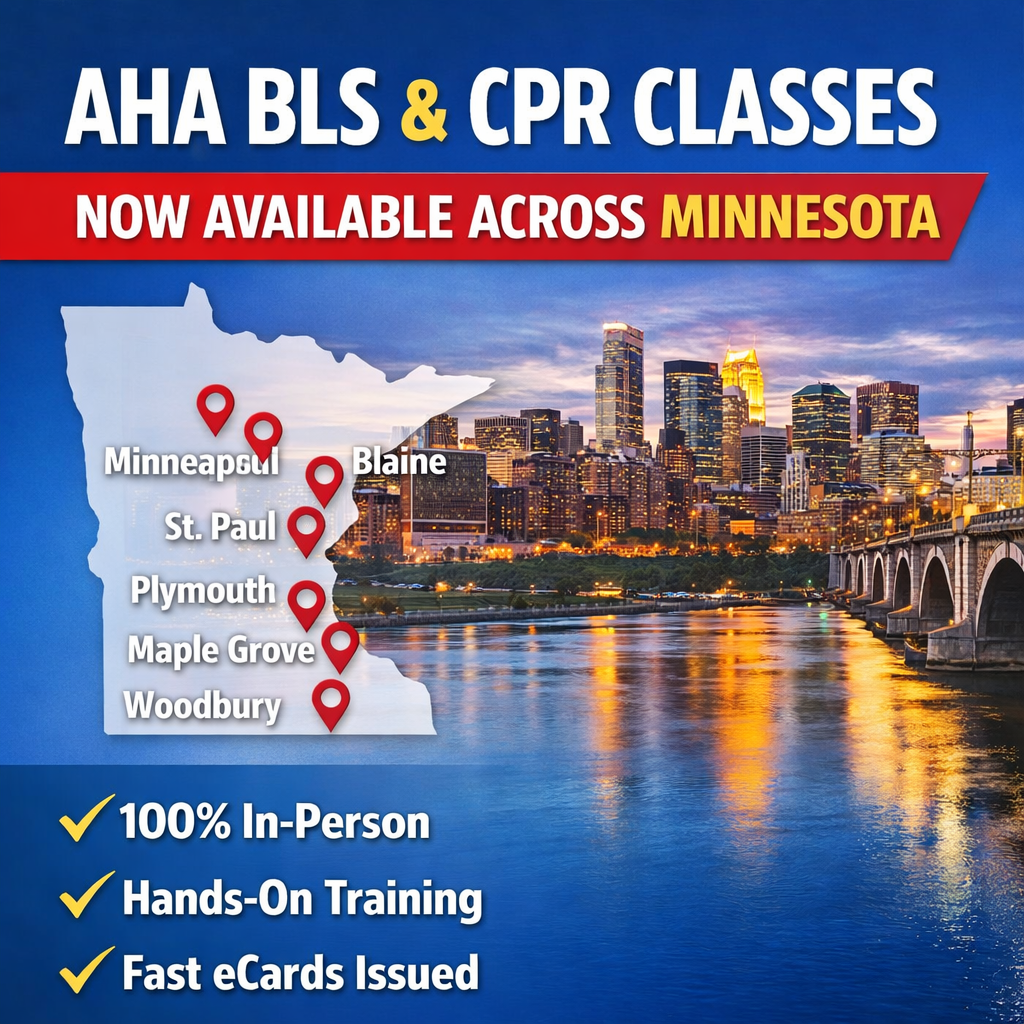
A Minnesota state law (MN Statute § 245A.40) requires licensed child-care programs to have at least one staff member trained in pediatric CPR present whenever children are in care. This includes licensed child-care centers and licensed family child-care (home-based) programs.
Who Must Be Trained
Before having unsupervised direct contact with children, staff must complete:
Pediatric CPR (infant and child)
Obstructed-airway (choking) training
Hands-on skills practice and assessment
Training must be documented in staff files.
Timing Requirements
New staff must complete pediatric CPR training before they are responsible for children without supervision.
Renewal is required at least every two years.
Many facilities train multiple staff members, ensuring coverage during breaks, illness, or turnover.
Field Trips and Off-Site Activities
If children leave the child-care premises for a field trip or facility-sponsored activity, a CPR-trained staff person must accompany them at all times.
CPR vs. First Aid Requirements
Minnesota licensing rules also require staff to hold current pediatric first aid training. While CPR focuses on resuscitation and breathing emergencies, first aid classes cover:
Choking prevention and assistance
Illness and injury response
Treatment of traumatic injuries
Most programs choose to train employees in CPR and First Aid together for full compliance and safety.
Why This Law Exists
Minnesota updated its childcare training rules after several infant emergencies in facilities where staff did not have CPR skills. Research shows many parents believe childcare workers are trained in CPR, but not all programs were providing that training before the requirements were strengthened.
Where to Get Certified
CPR certification can be obtained through American Heart Association–approved classes taught by certified instructors. Classes are available throughout Minnesota.
CPR training, childcare CPR, Minnesota CPR requirements, pediatric CPR, daycare CPR, early childhood CPR, first aid certification, MN statute 245A.40
In Minnesota, childcare licensing is regulated by the Minnesota Department of Human Services (DHS), through its Licensing Division within Children and Family Services. County human services departments assist in inspections, approvals, and compliance monitoring for both childcare centers and family childcare providers.
Childcare Licensing Resources – Metro & Central Minnesota Counties
Related Stories: Babysitters & Childcare CPR Training
Across the country, babysitters and childcare providers are recognizing how critical CPR and First Aid training is when caring for children. These real-world stories highlight how caregivers in different states are preparing themselves to respond confidently in emergencies.
When a life is on the line, the difference between success and failure is muscle memory. High-quality CPR is a hands-on skill you simply cannot learn from a screen. During a real cardiac arrest, your body relies on trained muscle memory—not theoretical knowledge. And that level of readiness only comes from live, instructor-led CPR practice, not online-only courses.
That’s why online-only CPR certification is not considered effective or American Heart Association (AHA) compliant.
Why CPR Requires Muscle Memory (Not Just Knowledge)
CPR is a performance-based, physical skill. In a high-stress emergency situation, adrenaline spikes, fine motor control drops, and panic sets in. Your body must fall back on the skills you’ve practiced repeatedly with real feedback.
Proper CPR requires:
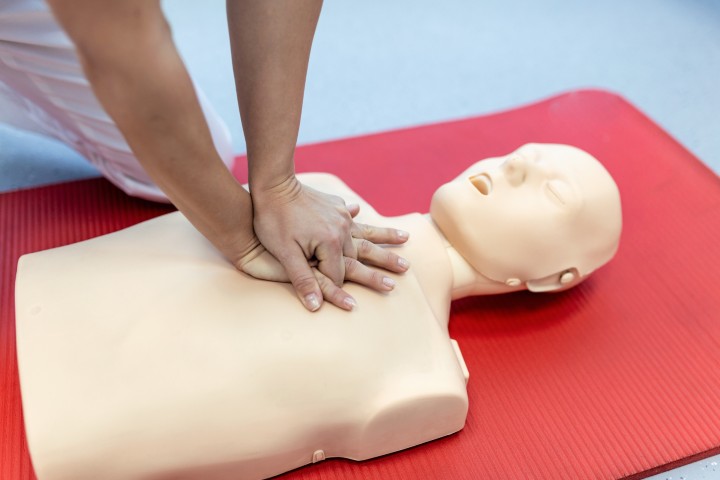
2–2.4 inch compression depth
Full chest recoil
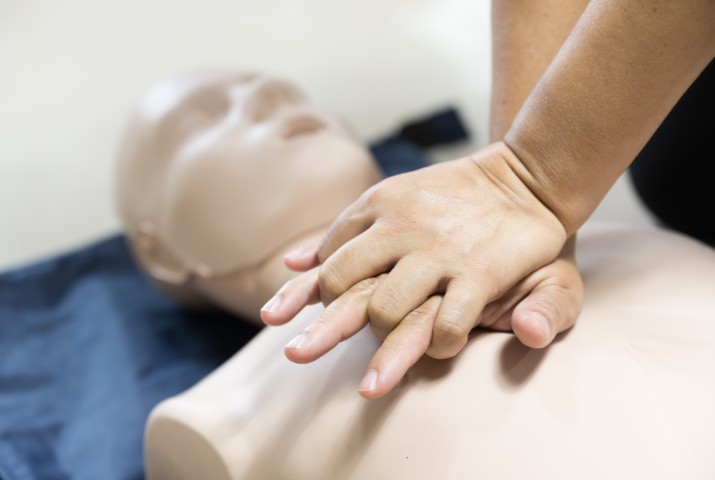
Correct hand placement
100–120 compressions per minute
Rapid, accurate AED use
These life-saving components cannot be validated online.
Why Online-Only CPR Certification Falls Short
Online videos can teach you the concepts, but they cannot ensure you can actually perform CPR correctly. Fully online programs cannot:
Measure compression depth or rate
Identify leaning or missed recoil
Correct hand placement
Evaluate breathing performance
Provide real-time instructor feedback
This is why online-only CPR certifications are not accepted by hospitals, schools, medical programs, or most employers.
Why In-Pulse CPR Requires Live Skills Sessions
Hands-on CPR training is non-negotiable at In-Pulse CPR because it provides the real-world skill development online courses simply can’t offer.
1. High-Fidelity Manikins
Our advanced manikins measure depth, recoil, rate, and ventilation accuracy—ensuring your technique meets proven survival standards.
2. Real Instructor Feedback (From Actual Medical Professionals)
Our AHA-certified instructors—many of whom are paramedics, nurses, and EMTs—correct your form instantly so you build accurate, life-saving muscle memory that holds up under stress.
3. AHA-Compliant Certification
The American Heart Association requires an in-person skills check for certification. Every In-Pulse CPR student completes this essential evaluation.
4. Proven Results Across Multiple States
With 150,000+ students trained across Minnesota, Florida, Pennsylvania, and Tennessee, our in-person CPR classes deliver validated, trusted, and widely accepted training outcomes.
Ready to Build True Life-Saving Muscle Memory?
Don’t risk a certificate that won’t help you in a real emergency. In-Pulse CPR provides AHA-certified, hands-on training that is trusted by hospitals, employers, and schools nationwide.
Find your nearest class today in Minnesota, Florida, Pennsylvania, or Tennessee and train with the best.
The Bottom Line
In an emergency, you won’t rise to the level of your knowledge—you’ll fall to the level of your training. Hands-on CPR practice is the only way to build the muscle memory needed to save a life when seconds matter.
The American Heart Association (AHA) has released its 2025 updates to the Guidelines for CPR and Emergency Cardiovascular Care (ECC) and to Hypertension Management. These evidence-based revisions impact prehospital responders, hospital teams, and clinicians focused on cardiovascular prevention and resuscitation outcomes. Below is a concise summary of the key updates most relevant to medical professionals.
Major CPR & ECC Updates (2025)
Unified Chain of Survival: A single, standardized Chain of Survival now applies across all settings — adult and pediatric, in-hospital and out-of-hospital — emphasizing integration between community response and post-arrest care systems.
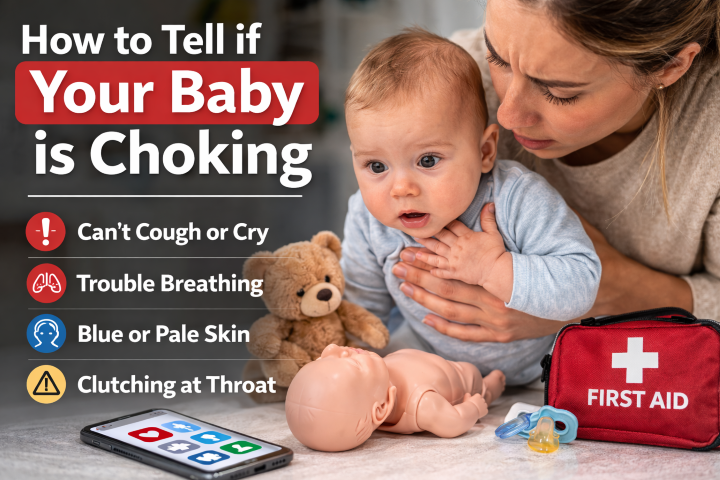
Revised Choking Algorithm: For responsive adults and children, alternate 5 back blows with 5 abdominal thrusts until airway clearance or loss of responsiveness. For infants, alternate 5 back blows with 5 chest thrusts (abdominal thrusts are not recommended in infants).
Opioid-Associated Emergency Algorithm: Expanded guidance emphasizes rapid assessment, early naloxone administration (by laypersons or trained providers), and immediate initiation of CPR if no normal breathing or pulse is detected.
Post–Cardiac Arrest Temperature Control: Continue targeted temperature management for ≥36 hours for unresponsive adult patients following ROSC to optimize neurological outcomes.
Ethics in Resuscitation: A new dedicated chapter outlines principles surrounding end-of-life decision-making, withdrawal of care, equitable resuscitation practices, and ethics education for providers.
Education and Systems of Care: Reinforces the importance of simulation, debriefing, and high-quality training metrics. The AHA now recognizes that children aged 12 years and older can effectively learn CPR and AED operation.
Treatment Thresholds and Targets: The <130/80 mm Hg target is maintained for most adults, but clinicians are urged to initiate interventions earlier to prevent cardiovascular, renal, and cognitive complications.
Risk Stratification: Introduction of the PREVENT™ Equation to replace prior ASCVD risk calculators, providing improved prediction of both short- and long-term cardiovascular events.
Therapeutic Sequencing: For adults with BP ≥130/80 mm Hg and low calculated risk (<7.5%), pharmacologic therapy should be initiated if lifestyle modification for 3–6 months fails to achieve targets.
Special Populations: Expanded recommendations for chronic kidney disease, pregnancy, resistant hypertension, and older adults — emphasizing individualized care.
Diagnostic Screening: Routine urine albumin-to-creatinine ratio testing is now recommended for all adults with hypertension. Screening for primary aldosteronism is advised for resistant hypertension, even in the absence of hypokalemia.
Lifestyle Reinforcement: Renewed focus on dietary patterns (DASH or Mediterranean-style), regular aerobic activity, weight reduction, limited alcohol intake, adequate sleep, and stress management.
Clinical Impact
These updates refine the standard of care for both emergency response and chronic cardiovascular management. For healthcare providers, staying aligned with AHA guidelines ensures continuity in evidence-based practice, improves patient outcomes, and supports consistent national training standards.
Stay Current with AHA-Certified Training
In-Pulse CPR delivers AHA-approved BLS certification and renewal courses for medical professionals across Minnesota, Florida, Pennsylvania, and Tennessee. Our programs are changing to incorporate the 2025 updates to ensure clinicians maintain compliance and confidence in high-acuity situations.
The American Heart Association (AHA) just shared new rules about CPR and heart health. These updates help everyone — from teachers to parents to students — know the best ways to save a life and keep our hearts healthy.
Big Changes for CPR
🫁 One Easy Plan for Everyone: There’s now one main “Chain of Survival” to follow in any emergency, for kids or adults, at home or in the hospital.
🚨 New Way to Help Someone Choking: Give 5 back blows, then 5 belly thrusts, and keep switching until they can breathe or go unresponsive. For babies, use 5 back blows and 5 chest pushes — no belly thrusts for infants.
💊 Help for Opioid Emergencies: If someone has overdosed, use naloxone (Narcan) right away and start CPR if needed.
❄️ Cooling After Cardiac Arrest: Doctors now keep the body cool for at least a day and a half (about 36 hours) after a person’s heart stops, to protect the brain.
👩🏫 Learning CPR Young: Kids age 12 and older can now be officially trained in CPR and AED use — helping more people learn to save lives.
New Tips for Healthy Blood Pressure
💓 Keep It Under 130/80: The “safe zone” for blood pressure stays the same, but doctors say we should work on lowering it sooner to avoid heart and brain problems.
🧮 New Risk Calculator: The AHA now uses something called the PREVENT™ Equation to figure out a person’s risk for heart disease.
👶 Special Care: There are new rules for people with kidney problems, moms-to-be, and those who have a hard time controlling blood pressure.
🥗 Healthy Habits First: Eat lots of fruits, veggies, whole grains, and lean proteins. Be active, sleep well, and find ways to relax.
Why It Matters
These new guidelines help people act fast in an emergency — and help everyone keep their hearts strong. When more people know CPR and make healthy choices, more lives can be saved.
Learn CPR with In-Pulse CPR
At In-Pulse CPR, we teach the newest AHA methods in our fun, hands-on classes. You can find classes for schools, workplaces, and families in Minnesota, Florida, Pennsylvania, and Tennessee.
The American Heart Association (AHA) has just released its 2025 updates to the CPR and Emergency Cardiovascular Care (ECC) guidelines — along with new recommendations for hypertension (high blood pressure) management. These updates bring important changes for both healthcare professionals and everyday lifesavers.
Key CPR & ECC Updates
Unified Chain of Survival: A single streamlined model now applies to all cardiac arrest situations — in-hospital, out-of-hospital, adult, and pediatric.
Updated Choking Response: For adults and children, alternate 5 back blows and 5 abdominal thrusts until the object is cleared or the person becomes unresponsive. Infants now receive 5 back blows and 5 chest thrusts (no abdominal thrusts).
Opioid Overdose Response: Expanded emphasis on rapid naloxone use and public access to opioid emergency kits.
Post-Cardiac Arrest Care: Maintain controlled temperature for at least 36 hours for patients who remain unresponsive after cardiac arrest.
Ethics & Education: A new ethics section addresses life-support decisions and training fairness. CPR education for youth ages 12+ is also newly endorsed.
Key Hypertension (Blood Pressure) Updates
Same Goal, Earlier Action: The <130/80 mm Hg target remains but with stronger emphasis on early treatment and prevention.
New Risk Tool: The PREVENT™ Equation replaces older calculators to better estimate cardiovascular risk.
Focus on Special Populations: Updated recommendations for those with kidney disease, resistant hypertension, or pregnancy-related high BP.
Lifestyle First: Reinforced guidance on healthy diet, physical activity, weight control, stress management, and adequate sleep.
Why These Updates Matter
These changes reflect a growing focus on prevention, faster emergency action, and better survival outcomes. For CPR providers, first responders, and everyday citizens, it means clearer guidance — and more lives saved.
Learn or Renew Your CPR Certification
At In-Pulse CPR, our instructors follow the latest AHA standards in every class. Whether you need BLS for healthcare, First Aid, or AED training, our classrooms across Minnesota, Florida, Pennsylvania, and Tennessee are ready to help you stay current.
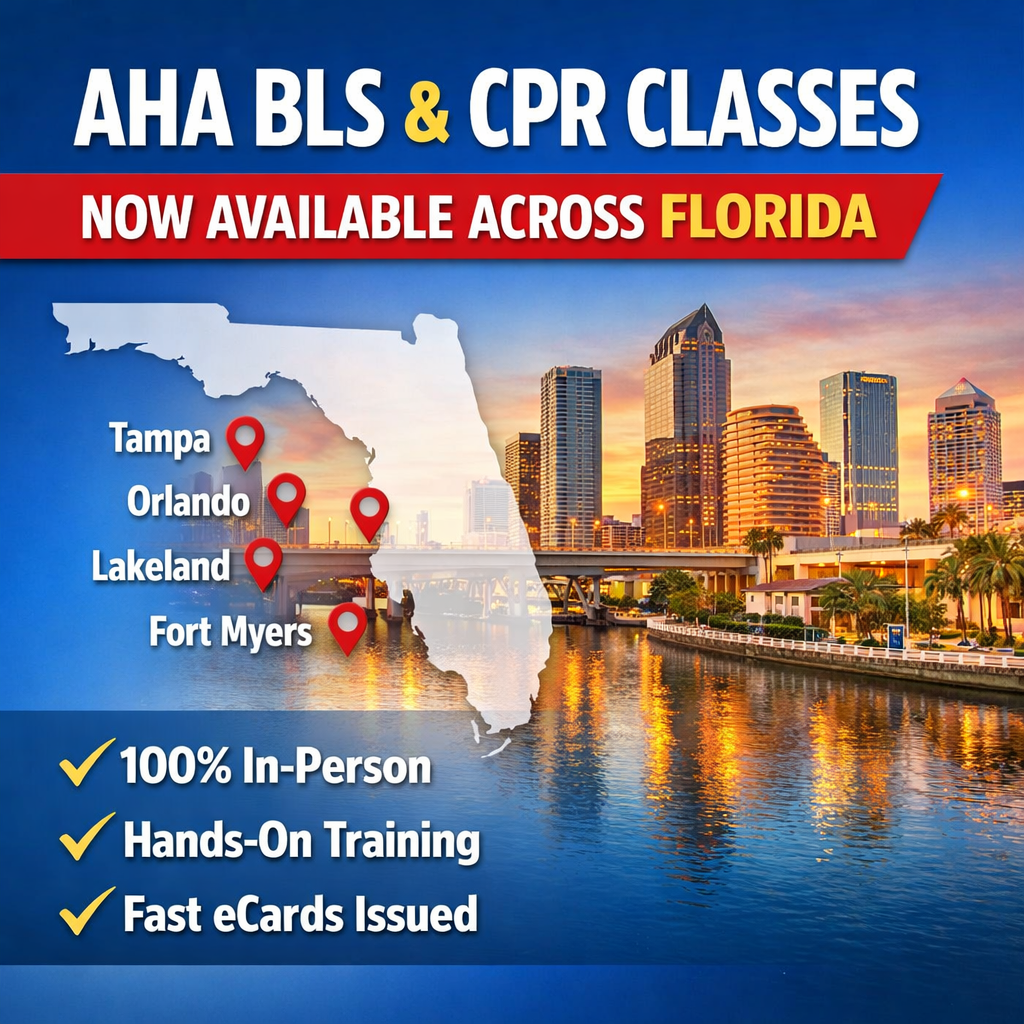
Emergencies don’t give advance notice — and when one happens in the workplace, being ready can make all the difference. Having a team trained, confident, and able to act immediately improves the chances of the best possible outcome. At In-Pulse CPR, we help businesses throughout Tampa Bay and Central Florida bring on-site group CPR training to their teams — making it easy, effective, and built around your schedule.
Why schedule group CPR training at your workplace?
Workplaces are community hubs, and they shouldn’t just be production sites — they should be safe places where people feel looked after. Here are some of the key reasons to bring group CPR training into your company:
Rapid response matters. When someone collapses or goes into cardiac arrest, each passing second counts. A trained coworker can start CPR or use an AED before EMS arrives.
It shows you care. Offering training demonstrates to your staff that their safety is a priority — boosting morale and engagement.
It strengthens your safety culture. CPR training is a tangible step toward a more prepared, resilient workplace.
Compliance and readiness. Depending on your industry and location you may have regulatory expectations (OSHA, etc.). Having a trained team helps you meet them and go beyond.
Local relevance. Whether you’re in an office, clinic, fitness center, or manufacturing site around Tampa, Brandon, Clearwater, or St. Petersburg, In-Pulse CPR provides tailored, professional training at your location.
How to organize the training — step by step
Here’s how you can set up an effective group CPR session with In-Pulse CPR in just a few clear steps.
1. Define your group and scope
Decide which teams will participate — e.g., production, maintenance, administrative staff, managers. How many participants? A typical class size ensures each person gets hands-on practice, so plan for an appropriate instructor-to-student ratio.
2. Pick date, time, and location
On-site training is often easiest: we bring the certified instructor and equipment to your facility. Choose a location with enough space for practical exercises (manikins, AED simulators). Consider shift schedules or staggered sessions to minimize downtime.
3. Select the right course level
In-Pulse CPR offers several course options to meet your workplace’s needs:
CPR & AED Training — Core lifesaving skills for adult, child, and infant emergencies.
First Aid + CPR + AED Combo — Ideal for safety teams and supervisors who may face a range of emergencies.
Bloodborne Pathogens (BBP) Training — Teaches employees how to protect themselves and others from exposure to blood or potentially infectious materials in the workplace, a crucial addition for healthcare, fitness, and custodial settings.
Healthcare BLS Certification — Designed for medical and clinical professionals requiring American Heart Association BLS certification.
Our certified instructors will help you choose the right mix for your team’s environment and compliance requirements.
4. Prepare the space and logistics
Ensure the training room has sufficient space, seating for the presentation, and a floor area for hands-on practice. We bring all required equipment — you just provide the room. If you have your own AEDs, we can incorporate them into the session.
5. Inform and engage the participants
Send an invitation ahead of time with details: what to wear (comfortable clothing), what to expect, and how long the session lasts. Encourage participants to come ready to engage. Training works best when everyone participates.
6. Conduct the session
Our certified instructor covers the core material (recognizing cardiac arrest, calling for help, CPR technique, AED use, and bloodborne pathogen safety). Participants practice real-world scenarios to ensure confidence and readiness.
7. Follow up after training
After the session, each participant receives a nationally recognized certification (valid for two years). We’ll help you plan for renewals, refresher sessions, and recordkeeping — plus offer guidance on maintaining AED readiness and safety drills.
What your team will learn
During training, participants gain confidence and real-world skills, including:
Recognizing signs of cardiac arrest and acting fast
Performing high-quality CPR with correct depth and rhythm
Using an AED effectively and safely
Administering basic first aid
Preventing exposure to bloodborne pathogens and following OSHA standards for safety
Integrating safety and emergency response into daily workplace culture
Business benefits of group CPR training
By investing in training with In-Pulse CPR, your organization benefits from:
Faster, more confident response in an emergency
Improved morale and engagement through demonstrated commitment to safety
A stronger safety culture that supports compliance and reduces liability
Potential insurance and risk-management advantages
Peace of mind knowing your team is trained and prepared
Why choose In-Pulse CPR?
Here’s what sets us apart:
Local to Tampa Bay and Central Florida — we understand regional workplaces and schedules.
Certified, experienced instructors who make learning engaging and practical.
Flexible on-site or local classroom options to fit your team’s availability.
Hands-on training, not just slides — every participant leaves confident, not just certified.
Tailored programs that combine CPR, AED, First Aid, and Bloodborne Pathogen instruction.
Ongoing support for renewals and refresher training.
Ready to get started?
Hosting a group CPR training session at your worksite is simple:
Schedule your session: Visit www.inpulsecpr.com/group to request a custom quote and book your date.
Prepare your team: We’ll provide all details and bring everything needed for a successful on-site training.
Train, certify, and stay ready: Your team earns American Heart Association certifications valid nationwide.
Make your workplace safer — empower your employees with lifesaving skills through In-Pulse CPR. Schedule your on-site group training today and experience the difference personalized instruction makes.
CPR & BLS certification In-Person Classes in Chattanooga
Why Train with In-Pulse CPR
Instructors Who Keep It Real: Our American Heart Association–approved team combines deep experience with an easy, down-to-earth teaching style that makes class time fly.
Practice That Feels Authentic: You’ll work with top-notch manikins and walk through realistic scenarios so the skills stick when every second matters.
Schedules That Work for You: Morning, evening, or weekend—we offer public sessions and on-site options so training fits around your life or your team’s needs.
What makes us different than the others –
All-Inclusive Price: Your course workbook is included—no surprise add-on fees. (We R CPR, for example, charges $25.95 extra.)
Affordable: Our community classes stay under $60, with no hidden costs that other providers often tack on.
Real-World Expertise: Every class is led by instructors with years of hands-on medical experience who share practical, real-life scenarios so the skills truly stick.
Proven Quality: Backed by thousands of 5-star reviews, we’re trusted by individuals, healthcare professionals, and businesses across Chattanooga.
Gain the skills and confidence to act in an emergency. In-Pulse CPR offers hands-on, expert-led classes for healthcare professionals, workplaces, and community members throughout the greater Chattanooga area. 📞 1-423-275-2940 (Office hours M-F 8am-4pm)
🏫 Public Community Classes
Perfect for individuals, families, students, and healthcare workers who need BLS certification or CPR/AED training.
We proudly train students from Signal Mountain, Soddy-Daisy, Lookout Mountain, Collegedale, East Ridge, Jasper, Cleveland—and across the Georgia border in Dalton, Fort Oglethorpe, Rossville, and Ringgold.
Ready to Save Lives?
Reserve your seat today or schedule a private session.
A Christmas tree farmer’s foresight to purchase an AED became the difference between life and death when cardiac arrest struck in the middle of nowhere.
Michael Loughran and his dog, Bourbon, on the Christmas tree farm. (Photo courtesy of the Loughran family)
A Precautionary Purchase That Saved a Life
When Michael and Jill Loughran moved to their remote 300-acre Christmas tree farm in rural Vermont, they knew they were trading convenience for tranquility. The town had no paved roads, and the nearest hospital was a significant distance away. For most people, this isolation might seem like a minor inconvenience. For 56-year-old Michael Loughran, it would prove to be a life-or-death consideration.
After surviving quadruple bypass surgery in March 2024 to address five blocked arteries, Michael made a decision that would ultimately save his life: he purchased an automated external defibrillator (AED) for their remote farm.
“Because the farm is so remote, I knew we needed to be prepared,” Michael explained. It was a decision born of both medical necessity and practical wisdom—one that would prove invaluable just months later.
When Every Second Counted
Michael Loughran (right) and his wife, Jill. (Photo courtesy of the Loughran family)
The importance of Michael’s AED purchase became devastatingly clear on an October night when his daughter Sophie, a newly graduated nurse working in cardiac intensive care, was visiting from Denver. At 3 AM, Jill was awakened by the terrifying sound of Michael gasping for air. He was in cardiac arrest.
In that moment of crisis, the AED Michael had purchased became their lifeline. While Jill called 911, Sophie began chest compressions. The two women worked together, trading off between delivering AED shocks and performing CPR. The device provided clear, automated instructions that guided them through the life-saving process.
The ambulance took 35 minutes to reach their remote location. Without the AED, Michael would not have survived.
By the time paramedics arrived, Michael had received three critical shocks from the AED and continuous CPR. He had a faint pulse—he was alive.
Michael Loughran, pictured with his daughter Sophie in rural Vermont where he and his wife reside on a Christmas tree farm, is a survivor of both a quadruple bypass and a cardiac arrest. (Photo courtesy of the Loughran family).
The Difference an AED Makes
Michael’s story illustrates a harsh medical reality: when cardiac arrest occurs, brain death begins within 4-6 minutes without intervention. Every minute that passes without defibrillation reduces survival chances by 7-10%. In rural areas like the Loughrans’ farm, where emergency response times can extend well beyond the critical window, having an AED on-site isn’t just helpful—it’s essential.
“The doctors told me it was a freak electrical issue caused by ventricular fibrillation,” Michael said. This dangerous heart rhythm causes the heart to quiver ineffectively instead of pumping blood, and it can only be corrected by defibrillation—exactly what the AED provided.
When Michael woke up in the hospital, doctors had warned his family about possible neurological damage from oxygen deprivation. Instead, after initial temporary vision loss and amnesia that resolved within 24 hours, Michael showed no detectable physical or cognitive deficits.
A Message for Remote Communities
Michael’s experience carries a vital message for anyone living in rural or remote areas: don’t wait for an emergency to wish you had an AED. His foresight to purchase the device, combined with his daughter’s medical training and his wife’s quick thinking, created the perfect storm of preparedness that saved his life.
“I got my plumbing fixed with the bypass, and now I’ve gotten my electrical fixed too,” Michael said, referring to the implantable cardioverter defibrillator (ICD) doctors placed in his chest as a precaution. “Plus, I’m being monitored remotely, so if anything goes wrong, they’ll know it.”
Today, just six weeks after his cardiac arrest, Michael is back working on his Christmas tree farm—though he now leaves the tree cutting to his crew. He even traveled to Colorado to visit Sophie and hit the ski slopes, a testament to his remarkable recovery.
The Bottom Line: AEDs Save Lives
Michael Loughran’s story demonstrates that surviving cardiac arrest isn’t just about luck—it’s about preparation. His decision to purchase an AED for their remote farm, combined with basic CPR knowledge, meant the difference between a tragic loss and a miraculous recovery.
For families living in rural areas, elderly communities, or any location where emergency response times might be delayed, an AED isn’t just a good idea—it’s a necessity that could save your life or the life of someone you love.
Every home, workplace, and community should have access to an AED and the training to use it. Because when cardiac arrest strikes, you won’t have time to wish you were better prepared.
Sudden cardiac death (SCD) is a devastating event, often striking without warning and leaving profound consequences for families and communities. It occurs when the heart suddenly stops beating effectively, leading to a rapid loss of consciousness and, if not treated promptly, death.
While numerous factors contribute to the risk of SCD, including underlying heart conditions, genetic predispositions, and lifestyle choices, research has increasingly pointed to the role of environmental factors, particularly weather conditions, in influencing the occurrence of these tragic events.
This content explores the various weather conditions that are most often associated with an increased risk of sudden cardiac death, delving into the underlying mechanisms and epidemiological evidence that support these connections.
Introduction to Sudden Cardiac Death
Sudden cardiac death is defined as an unexpected death caused by cardiac arrest in a person with or without pre-existing heart disease. It typically results from a malfunction in the heart’s electrical system, leading to a chaotic rhythm called ventricular fibrillation, which prevents the heart from pumping blood effectively.
Without prompt intervention, such as cardiopulmonary resuscitation (CPR) and defibrillation, death occurs within minutes. While SCD can affect individuals of all ages, it is more common in adults, particularly those with underlying heart disease.
Many factors contribute to the risk of SCD, including coronary artery disease, heart valve problems, cardiomyopathy (disease of the heart muscle), and congenital heart defects. Lifestyle factors such as smoking, a sedentary lifestyle, and a poor diet also play a role. However, beyond these individual risk factors, external environmental conditions can also exert a significant influence.
The Influence of Weather Conditions
Weather conditions encompass a wide range of atmospheric phenomena, including temperature, humidity, air pressure, wind speed, and precipitation. These factors can fluctuate significantly throughout the day and across different seasons, exerting varying degrees of stress on the human body. For individuals with underlying heart conditions, these stresses can be particularly challenging, potentially triggering events that lead to SCD.
Temperature Extremes
One of the most well-studied aspects of weather’s influence on cardiac events is the impact of temperature extremes. Both extreme heat and extreme cold have been linked to an increased risk of SCD.
Heat Waves: During periods of extreme heat, the body works harder to maintain its core temperature. This involves increased heart rate, dilation of blood vessels, and sweating, which can lead to dehydration and electrolyte imbalances.
These physiological stresses can place additional strain on the heart, particularly in individuals with pre-existing cardiovascular disease. Several studies have shown a clear association between heat waves and increased rates of cardiac events, including SCD.
Cold Spells: Similarly, extreme cold can also be a trigger for SCD. Exposure to cold leads to constriction of blood vessels, which increases blood pressure and the workload on the heart. The body also shivers in an attempt to generate heat, further increasing metabolic demands. Cold temperatures have been shown to increase the risk of angina (chest pain), heart attacks, and arrhythmias, all of which can precipitate SCD.
Air Pollution
Air pollution is another environmental factor that has been increasingly linked to cardiovascular events, including SCD. Pollutants such as particulate matter (PM), nitrogen dioxide (NO2), and ozone (O3) can have detrimental effects on the cardiovascular system. Inhalation of these pollutants can trigger inflammation, oxidative stress, and changes in blood clotting, all of which can increase the risk of heart attack and arrhythmias.
Particulate Matter: Particulate matter, especially fine particles (PM2.5), can penetrate deep into the lungs and enter the bloodstream, where they can trigger systemic inflammation and contribute to the formation of blood clots. Studies have consistently shown a link between elevated levels of PM2.5 and increased rates of cardiovascular mortality, including SCD.
Other Pollutants: Nitrogen dioxide and ozone are also associated with adverse cardiovascular effects. NO2, primarily from vehicle emissions, has been linked to increased risk of heart attacks and arrhythmias. Ozone, a component of smog, can cause inflammation and oxidative stress in the lungs and cardiovascular system.
Atmospheric Pressure
Changes in atmospheric pressure, particularly sudden drops associated with storms, have also been suggested as potential triggers for cardiac events. While the evidence is not as robust as for temperature and air pollution, some studies have indicated a possible association between low atmospheric pressure and increased risk of SCD.
The mechanisms underlying this association are not fully understood, but it is thought that changes in pressure may affect blood viscosity and heart rate.
Wind Speed and Precipitation
Wind speed and precipitation can also indirectly influence the risk of SCD. High winds can exacerbate the effects of temperature extremes, making cold weather feel even colder and hot weather feel more oppressive.
Strong winds can also contribute to the dispersion of air pollutants, potentially increasing exposure. Precipitation, particularly heavy rain or snow, can also add to the physical stress on the body, especially for individuals with underlying health conditions.
Seasonal Variations
Considering these individual weather factors collectively, there are clear seasonal variations in the occurrence of SCD. Rates tend to be higher in the winter months, particularly during periods of cold weather and increased respiratory infections, and also elevated during summer heat waves. These seasonal patterns highlight the complex interplay between multiple weather factors and their impact on cardiovascular health.
Underlying Mechanisms
Several mechanisms have been proposed to explain how weather conditions can trigger SCD. These include:
Increased Myocardial Oxygen Demand: Both heat and cold stress increase the heart’s workload and oxygen demand. This can be particularly problematic for individuals with coronary artery disease, where blood flow to the heart is already compromised.
Electrolyte Imbalances: Excessive sweating during heat waves can lead to dehydration and electrolyte imbalances, which can disrupt the heart’s electrical system and trigger arrhythmias.
Blood Viscosity Changes: Cold weather can increase blood viscosity (thickness), making it harder for the heart to pump and increasing the risk of clot formation.
Inflammation and Oxidative Stress: Air pollution and other environmental stressors can trigger inflammation and oxidative stress, which can damage the heart and blood vessels and increase the risk of arrhythmias and blood clots.
Autonomic Nervous System Activation: Both physical and emotional stress associated with extreme weather can activate the autonomic nervous system, leading to changes in heart rate and blood pressure.
Epidemiological Evidence
Numerous epidemiological studies have explored the relationship between weather conditions and SCD. These studies have used a variety of methods, including time-series analysis, case-control studies, and cohort studies, to examine the association between specific weather parameters and the occurrence of cardiac events.
Study Aspect
Description
Time-Series Analysis
Examines trends over time to correlate weather patterns with SCD rates.
Case-Control Studies
Compare individuals who experienced SCD with control groups to identify weather-related risk factors.
Cohort Studies
Follow groups of individuals over time to assess how weather exposure affects their risk of SCD.
Findings from these studies have consistently shown a clear link between temperature extremes, air pollution, and increased risk of SCD. The strength of these associations varies depending on the specific population, geographical location, and study methodology, but the overall consensus supports the notion that weather conditions play a significant role in triggering cardiac events.
Vulnerable Populations
Certain populations are more vulnerable to the effects of weather extremes and air pollution on cardiovascular health. These include:
Older adults: Aging is associated with a decline in physiological function and increased susceptibility to temperature extremes.
Individuals with pre-existing cardiovascular disease: These individuals already have compromised heart function and are more likely to be affected by additional stress.
People with respiratory conditions: Conditions such as asthma and chronic obstructive pulmonary disease (COPD) can be exacerbated by air pollution and temperature extremes.
Low socioeconomic status groups: These groups may have limited access to resources such as air conditioning or heating, making them more vulnerable to weather extremes.
Preventive Measures
Given the evidence linking weather conditions to SCD, several preventive measures can be taken to reduce risk. These include:
Staying Informed: Monitor weather forecasts and air quality reports, and take precautions during extreme weather events.
Hydration: Drink plenty of fluids, especially during hot weather, to prevent dehydration and electrolyte imbalances.
Appropriate Clothing: Dress appropriately for the weather, wearing layers in cold weather and lightweight, breathable clothing in hot weather.
Avoiding Exposure: Limit outdoor activity during extreme weather and high air pollution days.
Medication Management: Ensure that prescribed medications are taken as directed, and consult with a healthcare provider about potential weather-related adjustments.
Air Purifiers: Use air purifiers indoors to reduce exposure to air pollution.
Community Support: Check in on elderly neighbors or family members during extreme weather events.
Conclusion
Weather conditions play a significant role in influencing the risk of sudden cardiac death. Temperature extremes, air pollution, and other atmospheric factors can place considerable stress on the cardiovascular system, particularly in individuals with pre-existing heart disease.
By understanding the mechanisms underlying these associations and taking preventive measures, it is possible to reduce the risk of weather-related cardiac events and protect vulnerable populations.
Further research is needed to fully elucidate the complex interplay between weather, environmental factors, and cardiovascular health, and to develop more effective strategies for prevention and intervention.
Eagle County resident credits workplace CPR training for miraculous rescue
February 22, 2024
The photo shows Jenna and Steve Beairsto at Jenna’s wedding in 2023 (Ashlie Bramely, Bramley Co Photography/Courtesy Photo).
For Jenna Beairsto, the CPR certification required by her job seemed like just another workplace training requirement. She never imagined it would become the difference between life and death for someone she loved most.
Image: Jenna and Steve Beairsto during a rafting trip with Jenna’s brother and niece. (Jenna Beairsto/Courtesy Photo)
That changed on a January morning at the Homestead Court Club in Edwards, where the 33-year-old project manager was exercising alongside her father, Steve Beairsto. What began as their routine workout together quickly transformed into a life-or-death emergency that would test everything Jenna had learned in her certification classes.
A Routine Morning Turns Critical
Steve Beairsto, a longtime Eagle County resident since 1984 who runs Wire Nut Electric and teaches skiing at Vail Mountain, was about ten minutes into his treadmill session when disaster struck. The 60-year-old suddenly felt lightheaded and reached for the machine’s stop button, but collapsed before he could halt the moving belt.
“I was just a few treadmills away when I saw him fall forward,” Jenna recalled. “He started having convulsions and his skin was turning this terrible bluish-purple color.”
As other gym members called 911, Jenna’s training kicked in. Despite her initial panic, muscle memory from her most recent certification course—completed just a year earlier through the Eagle River Water and Sanitation District—guided her actions.
“The fear was overwhelming at first,” she admitted. “But once I started the compressions, it was like my hands knew what to do. I just followed what I’d practiced over and over in training.”
The Critical Minutes
While Jenna performed chest compressions, other club members retrieved the facility’s automated external defibrillator (AED). Within minutes, Eagle River Fire personnel arrived, followed by Eagle County Paramedics, who took over the resuscitation efforts.
The medical team worked tirelessly for nearly an hour, delivering six defibrillator shocks as they fought to restart Steve’s heart. Eventually, they stabilized him enough for transport via helicopter to Aurora Medical Center’s intensive care and cardiac units.
The gravity of the situation became clear when doctors gave the family devastating news: Steve had less than a 10% chance of survival, with even lower odds of avoiding severe brain damage.
Against All Odds
Two days later, Steve opened his eyes in the hospital. His last clear memory before the cardiac arrest was seeing Jenna’s face as she began CPR. Remarkably, not only had he survived, but his cognitive function remained intact—defying medical expectations.
“They told us the chances were almost zero,” Steve reflected. “But here I am, thinking clearly and feeling grateful for every day.”
Steve Beairsto with his wife and their oldest granddaughter.Jenna Beairsto/Courtesy Photo
A Paramedic’s Perspective
Bill Johnston, the Eagle County Paramedic who responded to the emergency, has witnessed few such miraculous recoveries in his 25-year career. In nearly three decades of emergency medical service, he can count on one hand the number of cardiac arrest patients who’ve walked out of the hospital under their own power.
“Jenna is the real hero here,” Johnston emphasized. “By the time we arrived, she’d already done the most important work. CPR is what saved him—I just continued what she started so well.”
Johnston stressed a crucial point that many people don’t realize: effective CPR doesn’t require mouth-to-mouth resuscitation or perfect technique. “If someone’s unconscious, start compressions immediately. You literally cannot make things worse, and you might save a life.”
The Urgency of Bystander Response
Alan Himelfarb, executive director of the Avon-based nonprofit Starting Hearts, explains why immediate action is so critical. Sudden cardiac arrest kills more Americans annually than the next six leading causes of death combined, making it the nation’s deadliest medical emergency.
“Time is everything in cardiac arrest,” Himelfarb explained. “Survival rates drop 10% every minute without intervention. Brain damage begins within four minutes, which is why bystander CPR is absolutely essential.”
The statistics are sobering but hopeful: when trained citizens provide immediate care, survival rates can jump from a dismal 10% to over 40%. If an AED is available and used within the first few minutes, survival rates can reach as high as 70%.
“CPR works by maintaining just enough blood flow to keep the brain oxygenated,” Himelfarb noted. “It’s simpler than people think, but it’s also more important than most people realize.”
A New Mission
The experience has transformed both father and daughter into passionate advocates for CPR training and AED accessibility. They’re working to encourage everyone in their community to get certified and to increase the number of AED devices available in public spaces throughout Eagle County.
“I never thought I’d need this training for my own family,” Jenna said. “But now I can’t imagine not having it. Everyone should learn CPR—you never know when someone’s life might depend on it.”
Steve, who has made a full recovery and returned to his work and skiing instruction, echoes his daughter’s message. “We want everyone to understand how critical this training is. Jenna saved my life because someone took the time to teach her these skills.”
Gratitude and Moving Forward
Both father and daughter express deep appreciation for everyone involved in Steve’s care—from the initial responders and paramedics to the flight crew and hospital staff at Aurora Medical Center. The experience has given them a profound appreciation for the chain of care that emergency medicine represents.
“Every person in that chain mattered,” Steve said. “But it all started with Jenna knowing what to do in those first crucial minutes.”
Today, Steve continues running his electrical business and teaching children to ski at Vail Mountain, while Jenna manages water infrastructure projects for the community. But they both carry with them a powerful reminder of how quickly life can change—and how preparation can make all the difference.
“I’m just happy to be here,” Steve concluded. “And I hope our story helps save other families from going through what we almost did.”
The Beairsto family encourages community members to seek CPR certification through local training programs and to support efforts to increase AED availability in public spaces throughout Eagle County.
In-Pulse CPR offers public and on-site workplace CPR training throughout the year.
Need an American Heart Association (AHA) CPR or BLS class in New Brighton? In-Pulse CPR offers frequent, hands-on courses across the Twin Cities, with locations just minutes from New Brighton. Get certified quickly and gain the skills and confidence to respond in an emergency.
Why Choose In-Pulse CPR
AHA-approved certifications accepted by Minnesota healthcare facilities, schools, and employers
Hands-on training with manikins and AED simulators — no boring all-video courses
Expert instructors with real-world emergency response experience
Flexible scheduling with weekday, evening, and weekend options
Immediate eCard delivery (per AHA processing timelines)
Convenient locations near New Brighton
Reserve early — our most popular class times fill quickly.
Find a Class Near New Brighton
Browse our Minnesota calendar to see upcoming AHA CPR, BLS Provider, and HeartSaver classes close to you. 👉 View Minnesota Class Calendar
Our Most Popular Courses
BLS Provider – For healthcare professionals and students
HeartSaver CPR/AED – Perfect for workplace and community use
HeartSaver First Aid + CPR/AED – Meets OSHA and workplace requirements
Pediatric CPR/First Aid – Designed for childcare providers, teachers, and parents
Who Our New Brighton-Area Classes Serve
Nurses, EMTs, dental staff, and medical students
Teachers, coaches, and fitness trainers
Childcare providers, foster/adoptive parents, and babysitters
Workplace safety teams and community members
New Brighton & Surrounding Areas
We provide classes serving all New Brighton neighborhoods (Pike Lake, Silver Lake, Hansen Park, Downtown New Brighton) and nearby cities: Mounds View, St. Anthony, Roseville, Arden Hills, Columbia Heights.
What to Expect
Length: 2.5–4 hours depending on course type
Format: Instructor-led skills training with certification testing
Bring: Photo ID; comfortable clothing for compressions
Certification: AHA eCard issued upon successful completion per AHA guidelines
Group & On-Site Training
We offer on-site CPR and BLS classes for businesses, schools, and organizations in New Brighton. 👉 Request On-Site Training
Use of any advise on this site is purely at your own risk. The information supplied is designed to accompany CPR and first aid training not to replace. In-Pulse CPR, Inc disclaims any liability for losses you incur as a result of inaccuracy of the information provided on this website. Information on this site is for education, supplemental to examination by and advice of medical professionals. Any information regarding first aid treatments is not meant to replace the advice of medical professionals including physicians, paramedics, emergency room attendants, nurses or other licensed medical personnel.