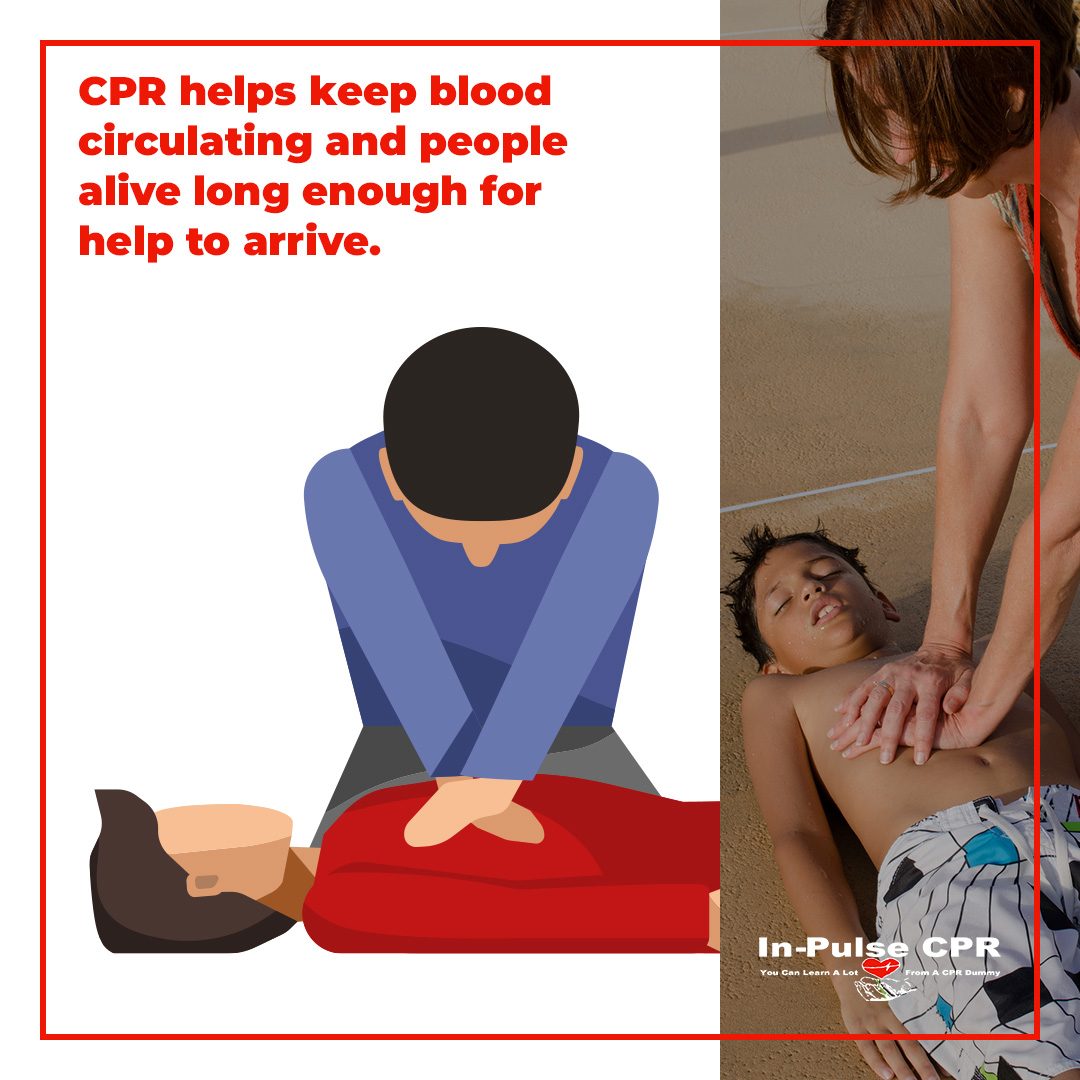
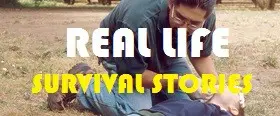
Does CPR really save lives? Yes, it does. There is one recent news story that can attest to that. The CDC estimates that administering CPR to a person suffering from cardiac arrest can double their chances for survival. Cardiac arrest can strike an individual at any time or place.
In the case of Steve M., it struck him when he was at his home. He was alone, and very scared when the attack came on. Thankfully his son, Skylar, arrived for a visit a short while later. He was shocked to find Steve lying there unconscious on his bathroom floor. Skylar called the paramedics and was informed that it would be a few minutes before they could arrive.
Skylar jumped into action and began administering CPR to Steve. This ended up saving his father’s life. Steve was conscious again by the time the paramedics arrived. This is just one case that proves how life saving CPR can be. Since Cardiac arrest can strike at any time, you could describe it as a sudden killer. Taking the time to learn and become CPR certified means you can save someone’s life.
You can help them become one less statistic. Death rates for cardiac arrest victims are very high. The majority of these attacks occur in public. This increases the chances of the attack being witnessed by a bystander. If this bystander were to administer CPR they could save the victim’s life.
We all live in this world together, so we should all look out for one another. If you look online you will discover many local institutions that will offer you CPR training. If you were in the same situation as Steve from the story, you would want someone to come to your aid. We all would. Learn CPR and start the change first. Help someone and you just might get the help you need in return. As cardiac arrest numbers rise, more people are joining together to become CPR certified. Join them and help save lives. No one wants to be a statistic.
Respiratory emergencies in children are not uncommon and when they occur, they are somewhat more difficult to manage than in adults for several reasons. First, the patient is fragile, secondly, the entire oral cavity and upper airway are small and easily prone to obstruction, and third, without having the right tools and equipment, resuscitation can be difficult. Finally, unlike an adult, the child has a limited respiratory reserve and respiratory distress can quickly lead to cardiopulmonary arrest. To know how to manage respiratory emergencies in children, it is important to know some of the common causes and how they present.
Asthma
Asthma is one of the most common lung disorders that affect adults and children. Each year, children lose close to 14 million school days to asthma. The disorder is characterized by recurrent symptoms that are triggered by many factors that include the following:
Environment-air pollution, smoking, allergens, poor air quality
Indoor allergens like roaches, pet dander, perfumes dust mites, mold, feathers
Having a medical condition like allergic rhinitis, atopic eczema, hay fever
Use of certain medications like beta-blockers, aspirin
Viral and bacterial infections of the upper respiratory tract
Stress
Asthma may occur several times a day or it may occur once a month. In most cases, asthma tends to worsen with exercise or at night.
Presentation
Wheezing
Chest tightness
Shortness of breath
Dry cough
Asthma can present with recurrent symptoms that include:
Diagnosis
The diagnosis of asthma is based on the presentation, pattern of symptoms, and response to treatment. Lung function studies (spirometry) can be used to confirm the diagnosis. Once the diagnosis is made the condition is graded depending on the frequency and intensity of the symptoms. The treatment of asthma is with prescription medications.
Status asthmaticus
Acute asthmatic attack (status asthmaticus) is a medical emergency that presents with severe shortness of breath, chest tightness, and wheezing. The individual will have little or no air entry into the lung and some may not even be able to speak. They may use their accessory muscles to breathe and bluish discoloration of the nails and skin is not unusual. An acute asthmatic attack may be triggered by an infection, allergen, or inappropriate or insufficient use of the asthma medication. These patients need immediate treatment in the nearest emergency room. The treatment goals include:
Reversing the airway obstruction immediately with the use of beta-agonists and corticosteroids
Correcting the hypoxemia by administering oxygen
Prevent complications like respiratory arrest and pneumothorax.
These patients need to be admitted until the acute attack has subsided. Some may even require admission to the ICU because of the need for mechanical ventilation.
The education of the patient is vital in preventing status asthmaticus. Status asthmaticus can usually be prevented if patients are compliant with their medications, avoid triggers and stress factors.
Croup
Croup also referred to as laryngobronchitis is caused by a viral infection (usually parainfluenza viruses) and mostly affects children between 6 months to 3 years of age. The condition appears to be more common in males than females and tends to occur during the fall season. Besides viruses, croup can also be caused by many bacteria including H. influenzae and Strep pneumonia. The infection leads to a swelling of the larynx, trachea, and large bronchi, which then causes airway obstruction. The classic symptoms of croup include:
Stridor
Barking cough
Hoarse voice
Fever
A runny nose may also be present
The symptoms usually start at night and last about 24-48 hours.
While many cases of croup are mild, in some children the symptoms can be quite severe and lead to respiratory distress. The diagnosis of croup is made clinically by excluding other causes of airway obstruction. A lateral x-ray may show the classic narrowing of the upper trachea (steeple sign). The Westley score is used to classify the severity of croup and includes five features:
Cyanosis
Degree of mental alertness
Stridor
Muscle retractions
Air entry
Most cases of croup are managed conservatively but those with moderate or severe symptoms need epinephrine and steroids. Oxygen is administered if hypoxia is present. Severe cases also need to be hospitalized and monitored. The rare child may even require mechanical ventilation.
Bronchiolitis
Bronchiolitis is a relatively common childhood lung disorder that is associated with wheezing and respiratory distress. In children, it is often mistaken for asthma. Bronchiolitis is caused by the respiratory syncytial virus and affects children less than 2 years of age. The condition is most common during winter. Children at risk for bronchiolitis include those:
Who have associated congenital heart disease
Were preterm at birth
Are immunodeficient
Have exposure to tobacco smoke
Have a neurological disorder
Typical symptoms include shortness of breath, wheezing, runny nose, fever, and a cough. While most cases are mild, severe cases can present with grunting, nasal flaring, and an irritable child.
Everyone should take a CPR class. Since there are classes in your home town maybe even this evening, no one has any excuses not to take one. MN PA FL
Diagnosis & Treatment
The diagnosis is usually made from the history and clinical presentation. Most mild cases are treated with supportive treatment. However, severe cases of respiratory distress need hospital admission for oxygen and fluid hydration. Some children may benefit from bronchodilators and nebulized epinephrine. If severe cases are left untreated, death can occur. To prevent spread, parents should be encouraged to wash their hands and avoid smoking.
Pneumonia
Pneumonia, although rare in healthy children, can be very serious. It remains the number one killer of children in many nations. Children who have a weak immune system, are under-nourished, or have a disease like HIV are more prone to pneumonia. It can be caused by viruses and bacteria.
Trigger factors for pneumonia include:
Air pollution
Smoking exposure
Asthma
Medical conditions like cystic fibrosis
Typical presentation includes:
Fever
Wet cough
General malaise
Shortness of breath
Anorexia
Congestion
Chest discomfort.
In addition, children can also present with lethargy, irritability, and poor feeding.
Diagnosis & Treatment
The diagnosis of pneumonia is made from the clinical exam, X-rays, and culture. The treatment usually depends on the type and cause of pneumonia. Bacterial pneumonia is treated with antibiotics but viral pneumonia is managed with supportive care. In most cases, children tend to develop severe pneumonia which compromises their breathing; and without treatment, the bacteria can spread into the systemic circulation.
Besides oxygen, IV fluids, and antibiotics, some children may require mechanical ventilation. Bacterial pneumonia can be prevented but millions of children do not get the recommended three doses of the childhood vaccine.
Foreign body aspiration
One very common cause of respiratory distress in children is foreign body aspiration. It is the 6th most common cause of accidental death in this population, with the majority of cases occurring in children aged less than 4. Children tend to put everything in their mouth like coins, buttons, batteries, solid food particles, paper, medications, etc and because the childhood airway is narrow, these objects often get stuck in the upper airway. The symptoms of foreign body aspiration are unfortunately non-specific and may include
Fever
Wheezing
Difficulty breathing
Chest discomfort
Inability to speak
Hypoxia.
The most common location of the foreign body is in the bronchus followed by the trachea and larynx.
Children with complete airway obstruction can present with respiratory failure and cardiac arrest often requiring a surgical airway or rapid intubation. The diagnosis must be suspected in any child with no prior history of any lung disease like asthma and appropriate workup is vital.
Besides x-rays, bronchoscopy may be required since not all foreign bodies are radiopaque. Prompt removal of the foreign body is necessary to prevent pneumonia, atelectasis, or pneumothorax. In children with respiratory distress, immediate bronchoscopic removal is recommended. The longer the foreign body remains in the airway, the higher the risk of complications like aspiration, pneumonia, or pneumothorax.
Anaphylaxis
Anaphylaxis is a potentially life-threatening emergency usually due to an allergic reaction. Even though cases of anaphylactic shock are not common, they have been increasing gradually over the past few years, especially in children. An anaphylactic reaction can occur within seconds after exposure to an allergen.
The symptoms may include:
Shortness of breath
Wheezing, stridor
Hypoxia
Extreme respiratory distress
Inability speak
Swelling of the oral and facial area
If not treated immediately, it can quickly lead to cardiorespiratory arrest.
Diagnosis & Treatment
The diagnosis of anaphylaxis is usually clinical and treatment requires immediate administration of EpiPen (IM epinephrine). These individuals should be transported to the nearest emergency room for further treatment including fluids, steroids, and antihistamines. Individuals with allergies should always carry Epipen on them and wear a bracelet indicating their allergies.
Pneumothorax
Pneumothorax is not as common in children as adults, but when it occurs it can quickly compromise respiratory function. The majority of pneumothorax in children are spontaneous but may occur due to trauma or even asthma. Pneumothorax can be life-threatening if it is large (tension pneumothorax). The classic symptoms include:
Chest pain
Difficulty breathing
Shortness of breath
Diagnosis & Treatment
The diagnosis can be made from the presentation, physical exam, and imaging studies. If the patient is in respiratory distress, immediate treatment requires needle insertion in the chest cavity to evacuate the air. Once stabilized, a chest tube can be placed.
Know the signs and symptoms of respiratory distress in children
Several common disorders can lead to respiratory distress in children. The key for the responders is to recognize signs of respiratory distress because if left untreated death may follow quickly. Classic signs of respiratory distress in children include:
Nasal flaring
Labored or rapid breathing
Use of accessory muscles
Wheezing
Grunting
Muscle retractions
Tripod position
Lethargy
Irritability
Cyanosis
Final point
Pediatric respiratory emergencies can be frightening but if one is alert and decisive, death can be prevented. The key is early detection so that the child can be treated accordingly.
As part of my health science classes, I was asked to take CPR classes. At that time, I thought that this was a complete waste of my $100. Little did I know that this money would one day save someone’s life. After 8 years, I decided that this was the last time I would renew my CPR certificate because I had never had an opportunity to use the technique on anyone. In 2010, I was visiting the beautiful island of Aruba which is famous for its sandy beaches and pristine blue waters.
At around noon, I watched a young male wade about 50 meters from the shore and suddenly I noticed that he disappeared under the water. I did see his arms flailing and I realized that he was in trouble. I was never a good swimmer and did not even have a life jacket- the thought of us both drowning did cross my mind but my heart overcame my brain reasoning and I swam to where he was. I quickly noticed that he was unresponsive. I had a major struggle pulling a dead weight and struggled to get him near to the shore, where other people helped me pull the individual out of the water.
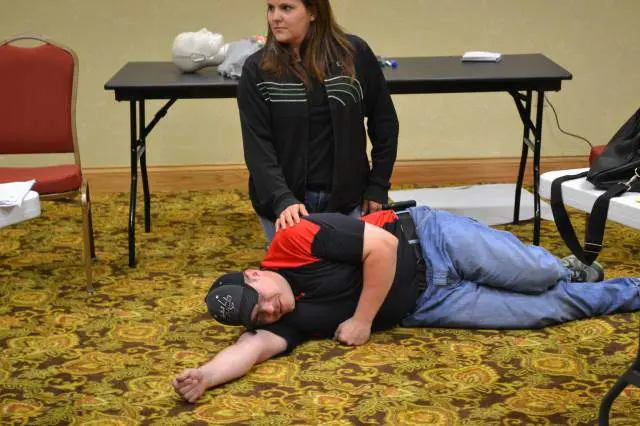
Because he had swallowed water, the first thing I did was place him on his side and pump his stomach. I then started CPR which was another ordeal as I was exhausted from the rescue. Nevertheless, with the help of other people I coordinated the CPR For the next 12 minutes, there was no sign of life. We all thought he was dead but decided to continue with CPR for another few minutes. We all took turns breathing into his airways and conducting CPR at the same time.
Finally, just before the ambulance came, we saw some arm movements. The emergency staff transported him to the hospital where he was intubated and resuscitated. I had no idea what his name was, who he was or where he came from. All I could tell was that he was a young male. For confidentiality reasons, the hospital refused to divulge all details about the individual. In any case, I left my name and number with the nursing staff. Six months later while I was in Toronto, I got a call from a female in Houston; she wanted to thank me for saving her brother. Incredibly he had suffered no adverse effects of the cardiac arrest that lasted about 12 minutes. He was alert and had no neurological or physical deficits. His family wanted to meet me but, alas, I had other things come up. Moral of the story; it is a humbling experience to save a life – it does help to be certified in CPR.
Cardiac arrest happens more than we may think. It is most likely to occur while at home and sadly only about 10 percent of them survive. Cardiac arrest can happen to anyone. You can be young, healthy, old or sickly. Cardiac arrest occurs when the heart stops due to electrical issues and the person stops breathing. When your heart stops pumping blood, your limbs and vital organs, including your brain, do not get the oxygen rich blood that it needs to function.
Learning CPR (cardiopulmonary resuscitation) could be one of the most important things you do for your family and friends. Having an AED (automated external defibrillator) in your home and learning how to use one is also important. The AED is very simple to use and will let you know how to use it and when to use it.
Jennifer and Rich Chap know just how important it is to learn these life saving skills. During the summer of 2012 in Orlando, FL, what started out to be a normal work day for Jennifer ended in her saving her husband’s life. Jennifer was working from home when her cat Buddy started acting strangely as if he was trying to get her attention. She started looking around and found her unresponsive husband collapsed on the kitchen floor gasping for air. He began to take agonal breaths in his wife’s arms. Jennifer sprang to action and called 911 who helped instruct her how to perform CPR until help arrived. When help arrived they took over CPR and used the AED in order to restart Mr. Chap’s heart. Although they were able to get a heartbeat after using the AED, he still wasn’t breathing on his own. The EMT’s had to place an endotracheal tube and use an ambu bag to breathe for him. Since they were unable to feel a pulse at his wrist, they put Rich into therapeutic hypothermia to cool down the body in order to protect the brain. Essentially he was in an induced coma. The doctors were unsure of what his neurological status would be in the future as they were waking him from his coma. Doctors quickly found that answer when Rick’s brother was visiting the hospital and was joking around with Rick. Rick then lifted his arm, turned to his brother, and used a specific finger to communicate with his brother. Since the incident, Rick is doing well. Jennifer has become an advocate for Sudden Cardiac Arrest awareness and survival
Camping is a popular recreational activity throughout the United States, with over 41 million people taking to the wilderness each year to camp in the outdoors. They have good reasons to do so, as camping has a number of physical and social benefits, including, but not limited to:
Improved fitness
Stress reduction
Increased social connection with family and friends
Exposure to fresh, clean air
However, as is the case with any outdoor activity, camping is not without its risks. Because of camping’s popularity, “Now is a vital time to learn how to manage medical emergencies in remote environments” says Morgan Tilton, a trained Wilderness First Responder. According to Tilton, issues that campers should be prepared for include musculoskeletal injury, cold injury, infection, blisters and lacerations.
The campsite itself also presents dangers, including burns (from campfires), bug bites and rashes, and injuries from sharp objects, such as utility knives and hatchets. Lifelong camper and trail racer David Parnell says, “The goal of having a first aid kit is never having to use it, but that objective is not always realistic.” Parnell recommends that every camper’s first aid kit contains –
Medications for personal medical conditions
Bandages, gauze and medical tape
Antibiotic spray or wipes
Tweezers (for splinters and ticks) and scissors
Moleskin for blisters
Burn cream
Nitrate or latex gloves
Emergency blanket
“Also”, says Parnell, “a mouth-to-mouth resuscitation device is vital to saving someone’s life while performing CPR.” The leading cause of death in national parks is drowning, and heart attacks are also possible during camping. Peter Mitchell. Founder of Decide Outside says, “It’s not that the trees, the sun, and the wind cause heart attacks. Heart attacks can happen if you exert yourself in ways you’re not used to. A two-mile hike may not seem like a big deal, but if you are not active, this may be a lot to ask of your body.”
Preparation is key for a safe camping trip. A good first aid kit is a must-have, but avid campers should also consider adding first aid and CPR training to their safety arsenal, especially when camping in remote areas where it will take time for responders to arrive. “Before my training, I was lucky,” says Morgan Tilton. “I stumbled across a few remote tragedies but was not needed on the scene, and, honestly, I would not have known how to help. Now that I have training in first aid and CPR, I can.”
An AED can be the difference between life and death! The survival rate without an AED is 7% but with the use of an AED, the survival rate goes up to 33%! (According to the American Heart Association in 2011) that means out of 100 peaple,7 survive without an AED but 33 survive with an AED!
But what does it do?
What an AED does is take that chaotic heart and stops it for just that moment so maybe it’ll listen to you.
An AED takes a heart that’s in Ventricular fibrillation or ventricular tachycardia and stops it for just a moment so we can get our message across and tell the heart what to do. The heart is like a teenager, they’ll argue and argue. There’s all this chaos and you’re trying to get your point across but they’re not listening So, sometimes you just have to yell “STOP!” and they’ll stop, for just a moment so you can quickly get your message across. But soon chaos arises again and you just have to yell “STOP!” again, so you can get your message across and hopefully they’ll listen this time. What an AED does is take that chaotic heart and stops it for just that moment so maybe it’ll listen to you.
What is Ventricular fibrillation and ventricular tachycardia?
Ventricular fibrillation, otherwise known as V fib. V fib is when a heart quivers and shakes very fast and isn’t able to pump blood anywhere
Ventricular tachycardia, otherwise known as V tach. V tach is when a heart beats so fast that its not able to pump blood anywhere. Both V fib and V tach cause loss of circulation to the places that need it like: your heart, lungs, brain and other important organs.
V tach
V fib
Normal
Can an AED kill someone?
No, an AED cannot kill someone. Unless the victim is in V fib or V tach, the AED will not allow a shock. You could put an AED on someone who’s alive and well and it will say “no shock advised, continue CPR” or you could put an AED on someone who’s been in the morgue for a few days and it will say the same thing. However, an AED can harm the people around, IF they are touching the victim while the AED is shocking (or if they are in the same puddle as the victim while its shocking.) Just stay clear of the victim while the AED is administering a shock then no harm can be done to anyone from the AED.
Can an AED be used on someone with a pacemaker?
You can use an AED on someone with a pacemaker. If a victim is having a heart attack and they have a pacemaker, then obviously the pacemaker isn’t working. Most new pacemakers are located on the top left, but if the pacemaker is located on the top right, just move the AED pad just a little so the pacemaker is not in the way.
Why should I use an AED?
You should use an AED because the success rate is much higher, (according to the American Heart Association in 2011) there’s a 7% success rate without the use of an AED, but with an AED it’s a 33% success rate! That means Out of 200 people, 14 survive without an AED, but with an AED, 65 people survive! AEDs are useful tools when doing CPR, there easy to use and save time. They improve survival success in cardiac arrest victims.
Common questions
Can I use an AED alone?
Absolutely! The sooner an AED is used, the better the outcome.
Can I take off the pads?
You should not take off the pads. Most hospitals have cord adapters and will use the same pads.
Can I just put the AED on and leave?
No, an AED is almost useless without the use of CPR. An AED stops the heart for just a moment, so you can tell the heart what to do by resuming quality chest compressions.
If you want to find out more information, take one of our classes, we’ll teach you how to use an AED and how to perform CPR. Visit www.inpulsecpr.com for more information about local community classes to attend.
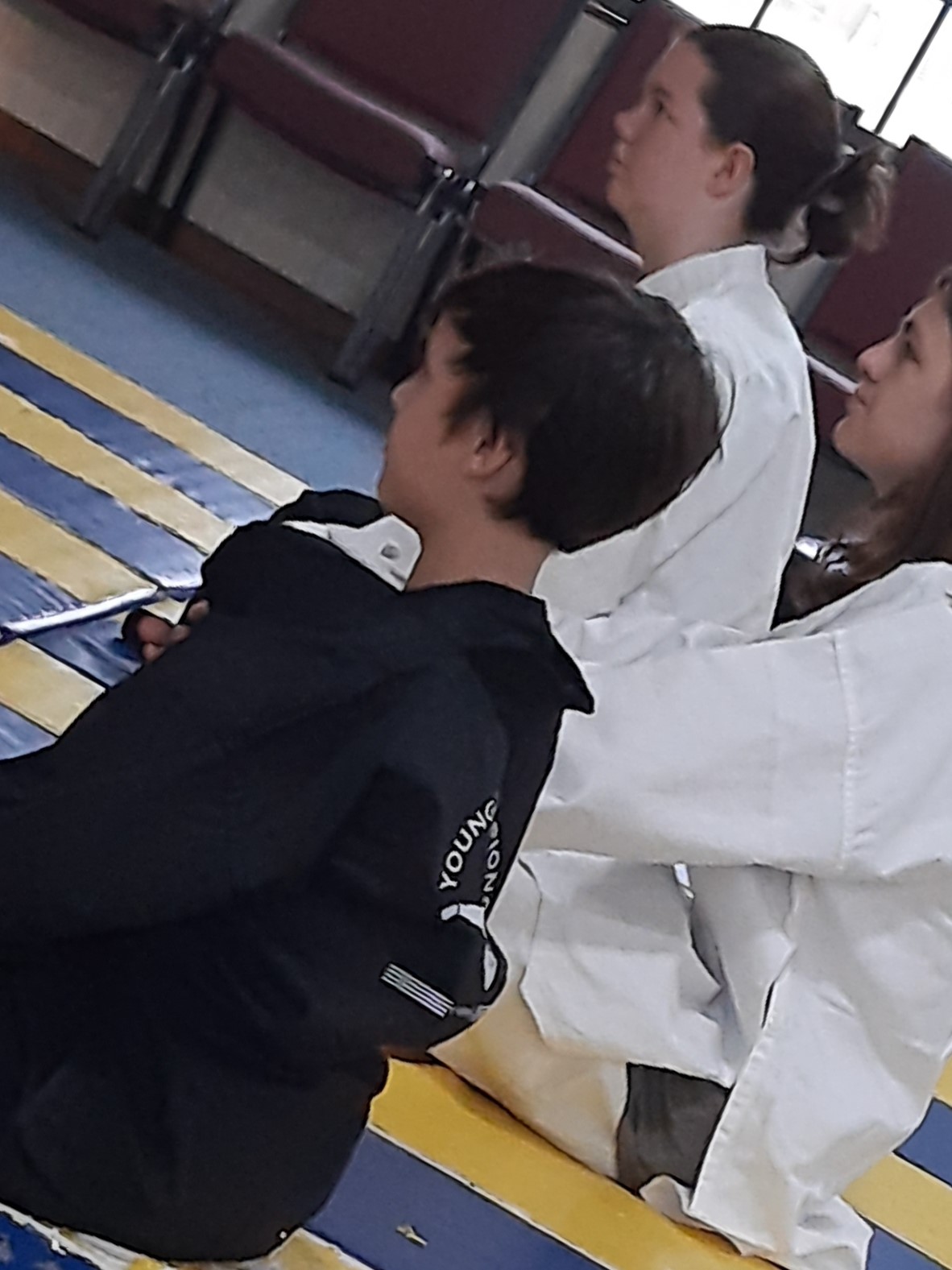
On an afternoon in 2015, 10-year-old Samantha’s karate class was performing its usual drills, when, without warning, Samantha dropped to the mat. “There were absolutely no warning signs that I noticed,” says Samantha. “My heart rate was always high, so everything felt normal to me.”
Fortunately, her karate instructor knew CPR and immediately jumped into action. He performed CPR for five minutes as the class looked on, waiting for an ambulance to arrive. The paramedics administered one shock with an AED. “Unbelievably, I was awake and talking during the ten minute drive from my arrest site to the hospital. I spent eight days in the cardiac ICU and was discharged straight from there.” While in the cardiac ICU, doctors implanted an ICD (Implantable Cardioverter Defibrillator), which administers a shock if Samantha’s heart ever beats above 240 beats per minute. “Thankfully,” says Samantha, “that’s only happened once.”
According to the Children’s Hospital of Philadelphia, sudden cardiac arrest (SCA) claims the lives of 2,000 children and teens in the United States. SCA occurs for various reasons. Samantha does not know what caused her heart to stop in the dojo that day. “Since then, I have been diagnosed with atrial tachycardia and sinus tachycardia, both of which are now controlled with medication.”
It was hard for Samantha to get used to her limitations and need for medication, but there has been a silver lining. “Without this experience, I would never have been able to impact my community to the degree I have,” says Samantha. Now 17, Samantha plans to attend nursing school and volunteers at the hospital where she was treated after her SCA. She is optimistic about her life — a life that was saved by her karate instructor’s CPR training. “I am encouraging everyone to learn CPR. It does not take long to learn, but it could allow you to save a life, a life like mine.”
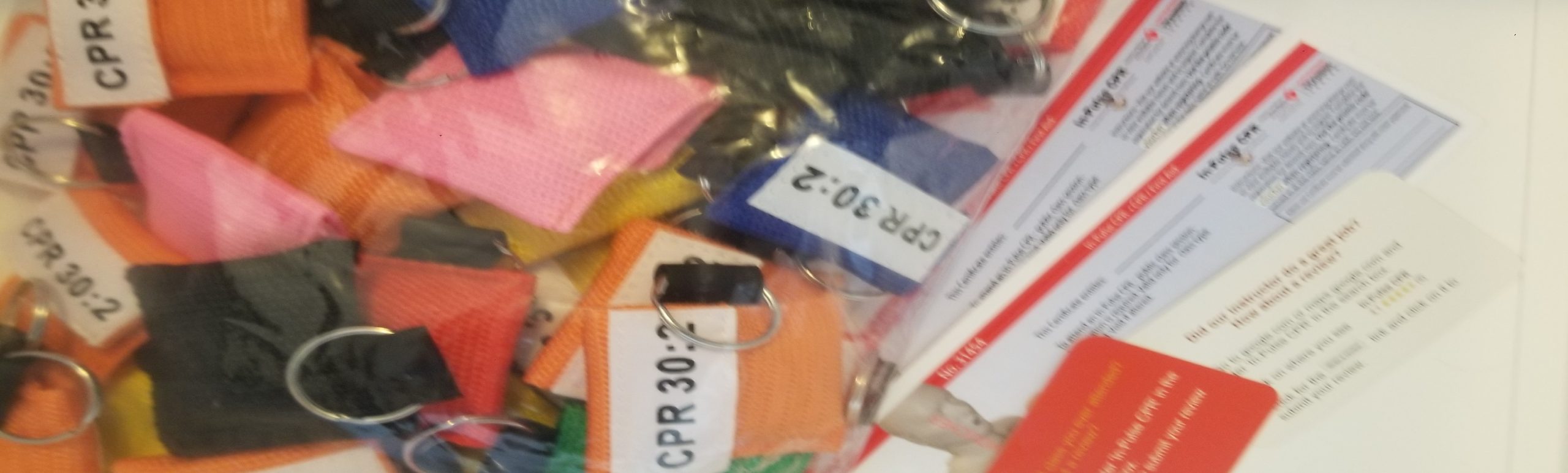
WE NEED YOUR HELP. We are asking you to put on a sales hat for a 2-minute sales pitch at each class you teach for In-Pulse. That’s it, 2 minutes to promote the following – Vouchers…Keychain Sales…Reviews. Here is how you do it.
Make sure you mention it while holding up the bag of keychains before and at the end of the class, and have the bag of keychains on the check out desk with a sign for them to see when they come up to get their test graded. Offer it to the Heartcode students too.
[script – before you hand out the BLS exam]
“Our company has a really great in class promotion going on right now. We are offering class gift certificates / vouchers for $40 each, which is a really good price and a great way to get a close friend or family member into a class. Maybe for your Mom, a babysitter, your spouse. This promotion is good for today only.
Also we are offering multicolored keychain breathing barriers for only $5 a piece. The great thing about these particular barriers is that they come with a one way barrier which is unique for something this small”
[Lastly, when student hands in test, ask them:]
“Are you able to rate me 5 stars in a google review?”
Depending on the work you do and how you spend your free time, you might feel like everyone in the world has already taken a CPR class. It’s especially common for people who work in the medical, recreation, and public service industries. For many of those folks, they may very well be on their 10th or even 20th CPR certification class.
However, there are still plenty of people who are considering a CPR class or are scheduled to take their very first one, and aren’t really sure what to expect. After all, how exactly do you train and prepare to save someone’s life?
At In-Pulse CPR, we teach AHA accredited CPR classes in three different states — Florida, Minnesota, and Pennsylvania — all year round, so we know what you’re getting into. In today’s blog, we will take a look at what to expect from your first CPR class. Read on to learn more, or if you are still looking for an organization to certify with, sign up for one of our CPR courses in your area today.
Public and Private CPR Classes
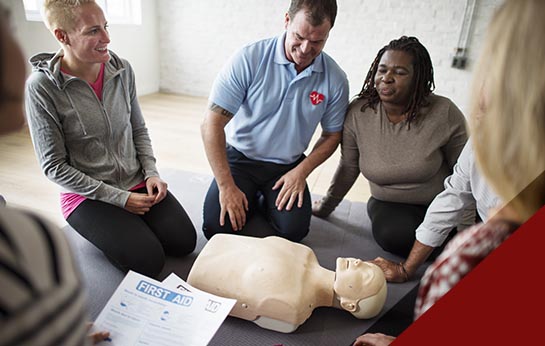
First off, your CPR class may look a little different depending on whether it is a public course — a scheduled date that anyone from any organization can attend — or a private class for a small group.
Public classes tend to take place in public venues and have more students and instructors. These tend to feel a bit more like a traditional classroom environment because of the size and setup.
Private CPR classes for small groups are usually held at the facility that organized the training, such as a school, workplace, or non-profit. These classes may have as few as five participants and a single instructor, or they can be significantly larger.
Either way, you’ll have plenty of access to ask questions, view demonstrations, and apply what you have learned.
CPR For All Ages
In a Heartsaver CPR class from In-Pulse CPR, you’ll learn the everything you need to know about CPR for adults — more of which will be listed below — but you will also receive instruction and training on how to modify your CPR techniques if you are performing resuscitation on a child, an infant, or an eldery person in a more fragile physical condition.
Assessing & Assisting
Another thing you can expect to learn at your CPR class is how to properly assess the situation and determine what kind of assistance you need to provide.
The first thing you’ll cover is scene safety – determining if an unconscious person, or yourself, is still in a clear and present threat of harm or death.
From here, you’ll learn how to effectively check for responsiveness and breathing, as well as receive training on how to understand and utilize the best practices for delegating emergency tasks like contacting emergency medical services.
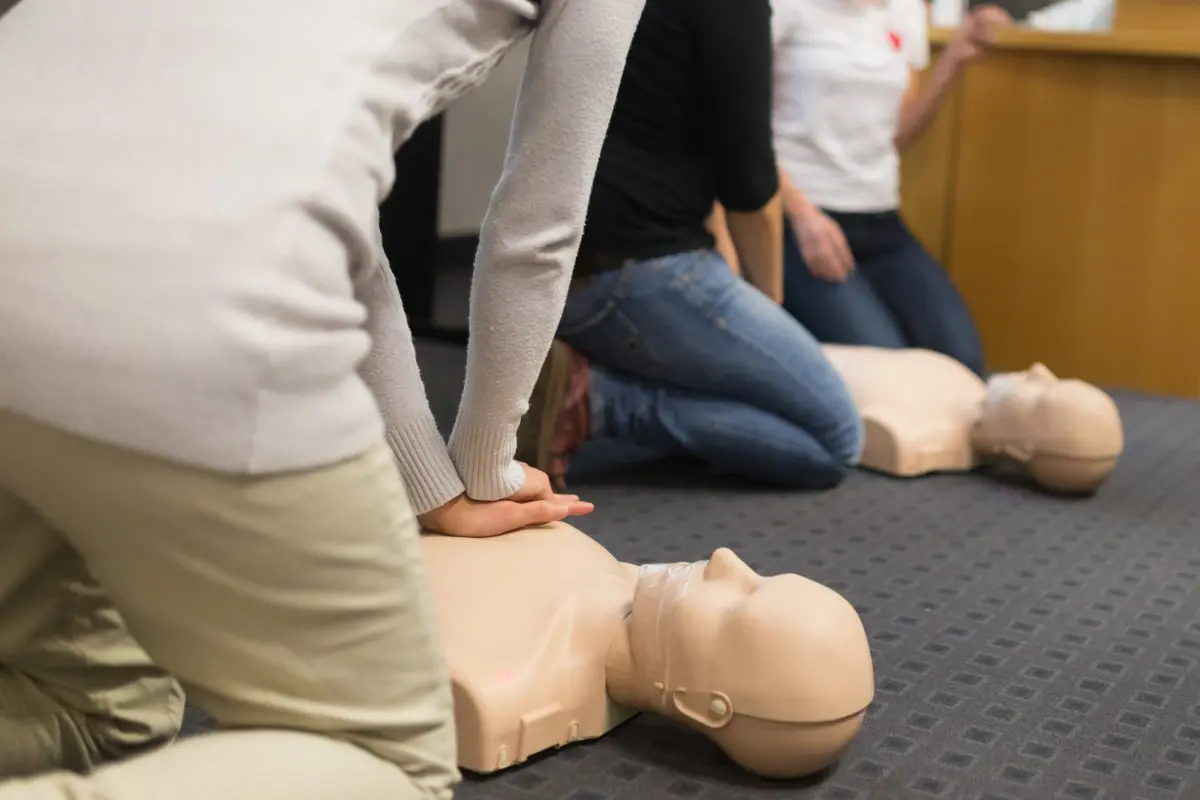
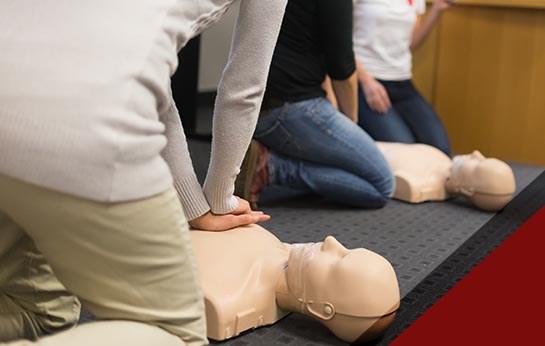
From here, you’ll receive guided instruction and practice with a CPR doll for situations involving both airway blockage removal (helping someone who is choking) and CPR.
Performing CPR
The next part of your 4-hour long CPR class will cover training, demonstrations, and practice with providing assistance for choking and assistance for breathing and circulation.
This training will include learning about how to provide breathing assistance and chest compressions when performing CPR as well as the various alterations that are made for special circumstances such as using CPR on a small child.
AED Walkthrough & Demonstration
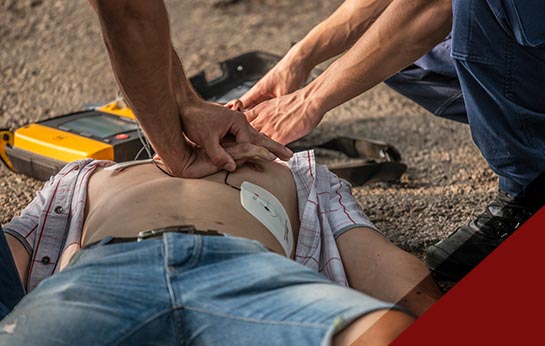
Finally, you’ll be introduced to an AED — and Automated External Defibrillator. These incredible life saving devices are found in most public spaces and offer an effective and relatively simple way to restart or stabilize someone’s heart.
Even though it is in the name — automated — many people don’t realize that an AED does all of the hard work for you. However, it is still important to understand what they look like, where they are found, how they are activated, where pads are placed, and what to do after use.
Sign Up For Your Heartsaver CPR Class with In-Pulse CPR Today
All in all, CPR classes are informative, applicable, and even though we are working through a serious subject, quite a bit of fun. At In-Pulse CPR, our goal is to provide a CPR class that meets the standards of the AHA, qualifies for virtually any CPR certification needs, and helps you be prepared to save a life. Sign up for our Heartsaver CPR classes today, or if you are a healthcare worker, sign up for our BLS CPR classes.
First of all, if you are reading this post because you have already been certified in CPR once and are looking for recertification, let us thank you. Your decision to take the time to learn a lifesaving technique is a selfless and incredible thing to do, even if it is because of a work requirement.
Your CPR certification does expire and making sure that you don’t let it lapse before chatting CPR recertification taken care of is important. In today’s blog from the CPR recertification team at In-Pulse CPR, we will take a look at certification, recertification, and everything you need to know about getting it done on time.
To learn more, continue reading. If you know what you are doing and you are ready to get signed up for a recertification course, then check the schedules of our CPR classes near you in Minnesota, Florida, and Pennsylvania today.
What Does Certification Look Like?
To become CPR certified, you need to enroll and take a CPR class (we recommend courses backed by the American Heart Association) that lasts roughly four hours and covers the following kinds of topics through instruction, modeling, and guided practice.
Scene safety assessments
Checking responsiveness
Assessing breathing
Activating emergency medical services
Assisting someone who is unresponsive
Assisting someone who is choking
Use of protective barriers
Compressions and breaths
And Automated External Defibrillator (AED) use
Once you have completed the coursework and test successfully, you can expect to receive a digital CPR certification card in your email that can be shared or printed with your employer or organization.
How Long Am I Certified For?
Various organization’s certification can last varying lengths of time, but for the American Heart Association courses that are taught by the team at In-Pulse CPR, your certification is compliant for a two-year period from the issue date on your digital certification card.
With that being said, the AHA is not the ultimate authority on the certification requirements at your place of employment. Some employers may require more frequent certifications or additional certifications to remain current with their standards. Always make sure you are keenly aware of the individual requirements mandated for your job.
How Do I Get CPR Recertified?
Recertification is just as easy and just as fun as getting certified was. All you need to do is register for a CPR certification course that meets your needs. Just like before, the course will take roughly four hours to complete and will cover all of the fundamentals of CPR along with any updates, changes, or modifications that have been made to the technique.
Here are a few other things to keep in mind when planning for your CPR recertification.
Plan Ahead – The last thing that you want to have happened is for your CPR certification to expire. This can cause you to miss time at work or put your employer at risk.
Ask About Other Certifications – There are other certifications like first aid, Advanced Critical Life Support (ACLS), and more that may be required by your employer. Do not assume that the Heartsaver or BLS certifications are the only courses you need.
Make The Most Of Your Recertification – With any luck, you haven’t had to put your CPR skills to the test since you were originally certified. As such, make sure to use this time to really pay attention, ask questions you didn’t think of the first time around, practice hard, and improve your ability to save a life.
Get CPR Recertification Near You From In-Pulse CPR
At In-Pulse CPR, we offer CPR recertification courses, first aid, AED training, and more so that you, your team, and your company can have the tools and training that you need to help save someone from a cardiac arrest or choking situation using the program developed by the American Heart Association. Sign up for recertification with us today at a location near you (we have over 60 class sites) in Florida, Minnesota, and Pennsylvania.
Whether you are a current or aspiring medical professional or healthcare worker or someone who is simply looking to round out their personal skillset and knowledge with a CPR training course, knowing what course options are available to you and what the differences between them are is crucial.
In today’s post from In-Pulse CPR — a CPR training and first aid training company serving Pennsylvania, Florida, and Minnesota — we will look at a specific focus on the BLS (Basic Life Support) CPR training course we offer with regards to how it differs from the Heartsaver CPR training course we offer.
By understanding the difference between these options, you can ensure that you get registered for the right CPR training and are able to meet your employer’s credentialing requirements.
Read on to learn more, or to sign up for one of our American Heart Association-accredited CPR training classes, check out our calendar of current classes in you are using one of the state links above.
CPR Training For Healthcare Professionals
First things first — it is important to note that while BLS CPR training is specified for many certification requirements in the healthcare field, there are no prerequisites for these CPR courses, and anyone can take them.
Basic Life Support (BLS) CPR training covers virtually all of the same topics, training, and techniques that are taught in a Heartsaver CPR class, but it goes a bit deeper given that medical professionals are typically expected to deploy what they have learned on a somewhat regular basis.
Some of the occupations that are likely to require a BLS CPR training certification include: nurses, doctors, dentists, EMTs, rescue workers, respiratory therapists, and anyone who is studying or in a program to move into one of these roles.
AHA Certified CPR Training
All of the BLS CPR trainings that are organized and offered by In-Pulse CPR meet the standards and guidelines set forth by the American Heart Association — the primary authority on CPR, heart health, and all things cardiological related.
A BLS CPR training program will prepare you to assess a situation, check for responsiveness, breathing, and airway blockages, and will teach you the techniques and skills needed to perform CPR solo or in a team setting.
You’ll learn CPR techniques that are deployable for adults, children, and infants, as well as learn all about the warning signs of heart attack, choking and other respiratory and cardiac conditions. Finally, you’ll be introduced to and trained in how to successfully use an AED — an Automated External Defibrillator.
One thing to keep in mind is that your employer may require additional certifications and training that may or may not be covered by our classes. Before signing up, make sure to inquire with your employer about if they are offering a private class that might include additional training such as first aid training, Advanced Cardiac Life Support (ACLS), or Pediatric Advanced Life Support (PALS).
Who Else Can Take BLS CPR Training With In-Pulse CPR?
BLS CPR trainings are specifically designed to promote the early warning identification and teamwork skills needed by people working in an organized, cooperative, lifesaving environment. However, that same teamwork approach, warning sign identification, and other detailed training of a BLS CPR class also makes them great for: clergy, teachers, daycare providers, fitness and exercise instructors, and recreation activity leaders of all kinds.
For others who want a CPR training course that provides everything you need without the extra emphasis on two-person CPR, a Heartsaver CPR class may be just what you need. You can learn more about them on our CPR certification page.
Sign Up For Your Basic Life Support CPR Training Today
If your two-year BLS certification is getting close to expiration or you need to attain certification by a specific date, make sure to get signed up for your BLS CPR training class today. Spots can fill quickly, and although there are regular CPR trainings each month — or more often — you don’t want to risk ending up out of compliance for your job. Sign up with us today to certify or recertify with CPR training endorsed by the AHA. Find a class near you in Minnesota, Pennsylvania, or Florida today.
While we recognize that it would be far easier to enumerate the short list of reasons why you shouldn’t get CPR certification, we thought that it would be sending the wrong message. So instead, we’re covering what we think are 5 of the best — and there are many to choose from — reasons to consider getting your CPR certification.
At In-Pulse CPR, we provide CPR certifications of varying levels as well as first aid training, AED training, and online sales of emergency response devices and equipment. To learn more about the best reasons to look at getting CPR certified, continue reading.
While this one seems kind of like a no-brainer, there are hundreds of people who work in the healthcare industry each year who allow their CPR certification to lapse. While some of these folks may only have a lapse of a few days because training schedules didn’t line up quite perfectly, others are ending up with unpaid leave. In some cases, these expired CPR certifications can cause tremendous liability issues for individuals and businesses if an individual with a lapsed certification continues to remain in their role.
To make sure that you are staying up to date on the most recent techniques and best practices, as well as the ensure that you are remaining credentialed and protecting yourself, your employer, and the people who you are there to help, mark your expiration date on the calendar and make sure to have another training course scheduled by the 90-day mark.
Be Confident When An Emergency Happens
CPR certification is applicable to a lot more situations than just those that involve a heart attack, someone choking, or another breathing or heart health emergency.
When you go through a CPR certification course, you receive training in determining how to evaluate the safety of a scene, what kinds of things to prioritize — such as delegating tasks and contacting emergency medical services — and provide you with the confidence that you need to face an emergency situation when it happens. Most people panic and freeze, not because they don’t care or aren’t compassionate, but rather because they simply have no frame of reference for where to begin and how to get started.
Save Someone You Love
Speaking of an emergency situation, what if that person who finds themself in an emergency is someone you care deeply about — a partner, a family member, a friend? One of the most tragic situations that anyone can ever face is the death or injury of a loved one in their presence and the burning, consuming question, “Is there something more I could have done?”
In most cases, the tough truth is, yes, you could have done more. However, you can only be expected to step up and perform if you have the confidence, the training, and the resources you need in the moment that you need them.
CPR certification empowers you to protect the wellbeing, and possibly even the life, of your loved ones in all kinds of emergency situations, including choking, unconsciousness, heart attacks, and more.
Learn Something New
Sure, learning CPR grants you a lot of important skills and knowledge that can save a life under certain circumstances. However, for lots of people, the value placed on gaining new knowledge is enough to entice them to sign up for a CPR class and get their certifications.
CPR certification is a great way to justify exploring your curiosity, learning something new, and feeling confident that the time you invested into learning is time well spent — time that might make all the difference for someone in your life down the road.
Make A Difference
Assuming that you are the person who finds themself in an emergency medical situation where a working knowledge of CPR and the confidence to get started assisting someone, you immediately become a difference maker, whether you like it or not. If you have the tools to assess and assist while help is on the way, you might just be giving that person the greatest gift they have received — a second chance at life.
Get CPR Certified With In-Pulse CPR Today
Have we convinced you yet? If not, we encourage you to keep exploring your curiosity about CPR with the knowledge that you can have fun while training up, prepare yourself to protect your loved ones, and become a difference maker for the better in a knife’s edge situation where a life may be on the line. When you’re ready, sign up for one of our CPR certification courses at a location near you in Florida, Minnesota, or Pennsylvania.
CPR courses are organized and taught to help provide medical professionals, first responders, caregivers, and everyday people the training and tools to help resuscitate an unresponsive person. But how did the medical science behind resuscitating people develop over time to become a well-researched and highly effective method of saving lives that just about anybody can learn to do?
In today’s blog from In-Pulse CPR, we will take a look at that extraordinary story, highlighting some of the eye-brow raising and awe-inspiring moments and individuals along the way. Read on to learn more, or if you are interested in signing up for a CPR course near you, then check out our list of scheduled CPR courses in Florida, Pennsylvania, and Minnesota today.
Early Understandings About Resuscitation
For centuries, medical professionals struggled with discerning the best methods for resuscitating an incapacitated person. Oftentimes, an unresponsive person was found by someone else, and a doctor or nurse couldn’t even be sure what had happened. Were they knocked unconscious? Did they suffer from a heart attack or stroke?
Without knowledge of the cause of incapacitation, medical professionals were left with little more than guesses about how to revive someone. Over centuries worth of experimentation, burning people with a brand, whipping them with stinging nettle branches, and using strong-smelling powders and liquids were all tried with varying success.
Ultimately, however, the need to address resuscitating people who were known to have drowned became the springboard for the creation of modern CPR.
By the mid-1800s, various medical practitioners such as Marshal Hall and Henry Silvester had added in compression and body pressure techniques that became widely emulated. This combined with research being done on animals began to run people on to the idea that manufactured respiration and circulation were powerful tools for keeping people alive or resuscitating them from unconsciousness.
For the next 75 years or so, more and more research corroborated that respiration and circulation were fundamental to keeping someone alive. However, despite some evidence that non-surgical heart massage was effective, many doctors continued to practice open-chest heart massage techniques.
The Creation Of The AHA
In 1924, six cardiologists met in Chicago and created the American Heart Association, establishing the organization that would come to stand at the forefront of research, teaching, and information on cardiovascular care in the United States.
Today, this organization creates the standards and approves certifications for all of the credible CPR courses and training in the country.
The Creation Of CPR
The decade between 1951 and 1961 would see some huge advancements in the technology, understanding, and practice of life-saving resuscitation measures practiced in the United States. Here is a brief highlight of those events:
1950: The AHA keeps researchers, journalists, and doctors abreast of the latest in cardiological research when it begins to publish and distribute its scientific journal, Circulation.
1956: Dr. Elam and Dr. Peter Safar — two pioneers in respiration research — continue to work on spreading and training healthcare providers on the mouth-to-mouth resuscitation method.
1956: A study funded by the AHA demonstrates the viability of using external defibrillators to stabilize tremoring hearts.
1957: The U.S. armed forces adopt mouth-to-mouth resuscitation training into their first aid manuals.
1957: A team from Johns Hopkins develops the first portable external defibrillator. This grandfather of the modern AED weighed about 200 pounds.
1960: Dr. Safar works with two other doctors — Dr. William Kouwenhoven and Dr. James Jude — to add chest compressions to the mouth-to-mouth resuscitation currently being practiced and creating the first form of cardiopulmonary resuscitation, or CPR. The AHA quickly begins organizing structured training.
Developing CPR For The Right Situations
Since those doctors established the basis of contemporary CPR and the AHA began organizing CPR courses, CPR fundamentals have changed a bit, and specialized forms of CPR courses for pediatric, advanced life-support, and neonatal resuscitation have been developed, allowing for CPR to be used appropriately in a wide range of circumstances.
Sign Up For A CPR Course With In-Pulse CPR Today
Today, the AHA sponsors, organizes, or provides CPR courses for over 22 million people each year, and In-Pulse CPR is helping in that mission with CPR courses endorsed by the AHA in three different states: Florida, Pennsylvania, and Minnesota. Sign up for your CPR course today, and be ready to help save a life when an emergency strikes.
The new virus concerns make locking down community activity a priority to help contain it. But what about those essential services that need to continue to operate in midst of those concerns? When we think about ‘essential’ what comes to mind…
Fire fighters, police departments, grocery stores, nurses / doctors. Did you know that there is a shortage of medical personnel to help deal with this epidemic? Because of this shortage, hospitals are calling on prior staff (semi-retired, seasonal, contracted) to return to work. All of these retired healthcare workers reentering the workforce require a non-expired and valid CPR certification that companies like In-Pulse CPR provide.
CPR training companies, like In-Pulse CPR, are an essential service. We are one key to the puzzle to help make the system function. We continue to hold classes and take every precaution possible to ensure we are not contributing to the problem.
One of the new challenges our training company is now dealing with is finding classroom space when many public venues are closing their doors to the public. If you know of any classroom spaces we can use (for a reasonable fee) please let me know.
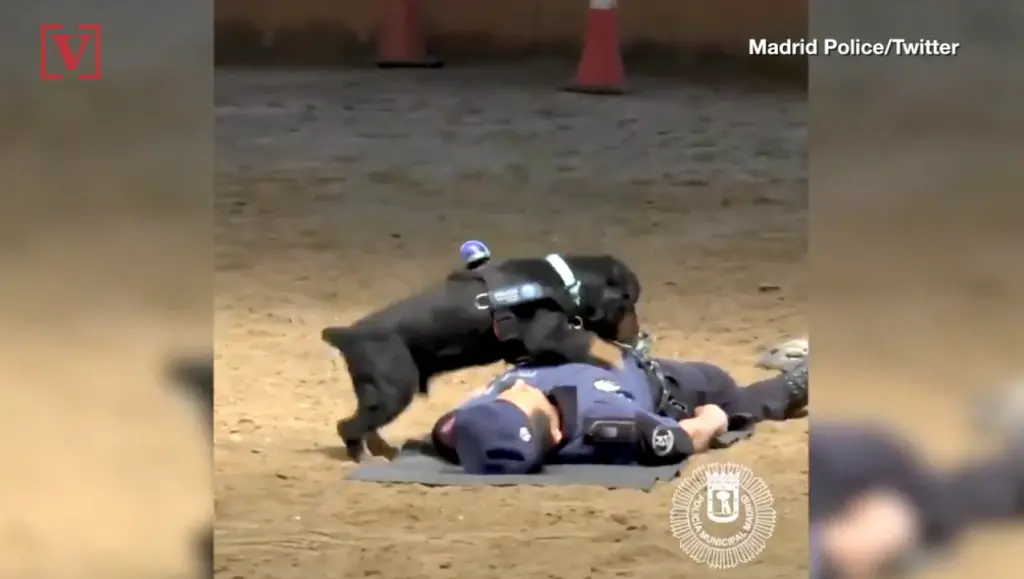
One video recently went viral that showed Poncho, a police dog, providing CPR. The devoted canine from Madrid Spain performs the procedure on his handler who has pretended to pass out. First, the frisky canine jumps on the handler’s chest, then listens carefully to his breath.
Even Dogs Know the Benefits of CPR
The valiant canine continues by repeating the CPR process. The video, which, indeed, received a great deal of feedback—1.7 million views in only three days—emphasizes the dynamics of CPR. Even dogs know that CPR is a life-saving procedure.
That is why everyone—young or old, regardless of his or her station in life—should learn all the basics of cardio pulmonary resuscitation. CPR is not designed only for medical professionals. Everyone should know what to do if another person is suffering a heart attack or a similar respiratory emergency.
According to statistics, about 80% of cases involving cardiac arrest occur at a public place or in the home. In many of these cases the bystander has no medical CPR experience. He or she may either be a relative, passer-by, or colleague. If any of these non-medical people could provide CPR to a victim, the chance of survival would substantially increase.
Why Learning CPR Can Make All the Difference
If a dog can learn the dynamics involved in the CPR process, a human can too. Once the heart stops beating or the circulation stops, a person loses consciousness in about 15 seconds. In the next 60 seconds, the brains cells begin to die and can be irreversibly damaged if a life-saving measure, such as CPR, is not applied.
Whether you know a cardiac patient who is a loved one or you are involved in a sport in Philadelphia, knowing CPR is a necessity. As noted, everyone should learn more about the life-saving procedure. To integrate yourself into a CPR educational program, you first need to define CPR. CPR or cardiopulmonary resuscitation is a process that is performed during an emergency situation. Because CPR is performed on a victim whose heart has stopped, the idea behind the procedure is to prolong lung functioning and circulation until emergency help arrives.
Ventricular Fibrillation
Just over 600,000 people in the U.S. die from heart disease annually. Half of the people die immediately, or away from a hospital because the heart stops beating and cannot be revived. As a result, the most frequent cause of death, when a heart attack occurs, is ventricular fibrillation. Ventricular fibrillation happens when the electrical rhythm of the heart falls out of sync.
Usually, this type of arrhythmia is treated by defibrillation. Defibrillation requires an electrical shock to the chest. If a defibrillator or an AED (automated external defibrillator) cannot be easily accessed, brain death can occur in under 10 minutes.
Needless to say, if a defibrillator or AED (automated external defibrillator) is not easily accessible, you need to buy some time. Because time is of the essence in this case, you can use CPR. CPR provides artificial breathing when you cannot treat a victim with an AED device. The earlier CPR is applied to anyone who is not breathing, the better the chance for resuscitation and survival.
Defibrillation – Part of the Survival Link
When defibrillation is performed, the victim receives an oxygenated flow of blood – part of a link in the chain of survival, used to treat victims of a sudden cardiac arrest or SCA. The first link in this “chain of survival” (coined by the American Heart Association) is recognizing an SCA and activating an emergency response by calling 911 or a community emergency response number.
The next link is to perform CPR or applying chest compressions and breaths or compressions only. After CPR is performed, the next link involves providing rapid defibrillation or using an AED. Professional emergency medical services (EMS) are the next link in the chain of survival and emphasize the use of advanced life support, including breathing and airway accommodation, medicines, and in some instances, hypothermia. Follow-up care s then provided for the survivor.
It typically takes first responders about eight to 12 minutes to respond to an emergency. For every minute that defibrillation is delayed, the chances for survival drop by about 10%. Because SCA is a leading cause of death in the U.S. as well as the world, it is important to learn both CPR and AED use.
Initiating Yourself to the Lifesaving Process
To initiate yourself to lifesaving though, you need to learn the basics of CPR first. By taking this step, you will find the transition to AED training progressive and logical. CPR is an extremely crucial component in the chain of survival, as it gets the whole emergency response process activated.
When a person is going through cardiac arrest, no blood flow or pulse are evident. In turn, the victim becomes unresponsive and stops regular breathing. If a person does not respond to touch or the voice of a responder, he or she is unresponsive. Call 911 before performing CPR or using an AED. If an AED is available, you should press the “on” button immediately. The AED will provide the directions for using the device.
If an AED is not readily available and you can perform CPR, you need to respond instantly. Today, the American Heart Association (AHA) has simplified the process by the teaching of hands-only CPR. This form of CPR does not require the use mouth-to-mouth resuscitation. Some people are averse to performing mouth-to-mouth resuscitation, as they are fearful about contracting a health ailment or infection.
How to Perform Hands-only CPR
The procedure for learning hands-only CPR is basic and simple. Therefore, people do not have any excuse not to learn it. You just need to follow the several key steps.
If you are a bystander who knows hands-only CPR and see someone collapse, you first will check for responsiveness. Call 911 or have someone call 911 and begin chest compressions if the person is unresponsive and is not breathing normally.
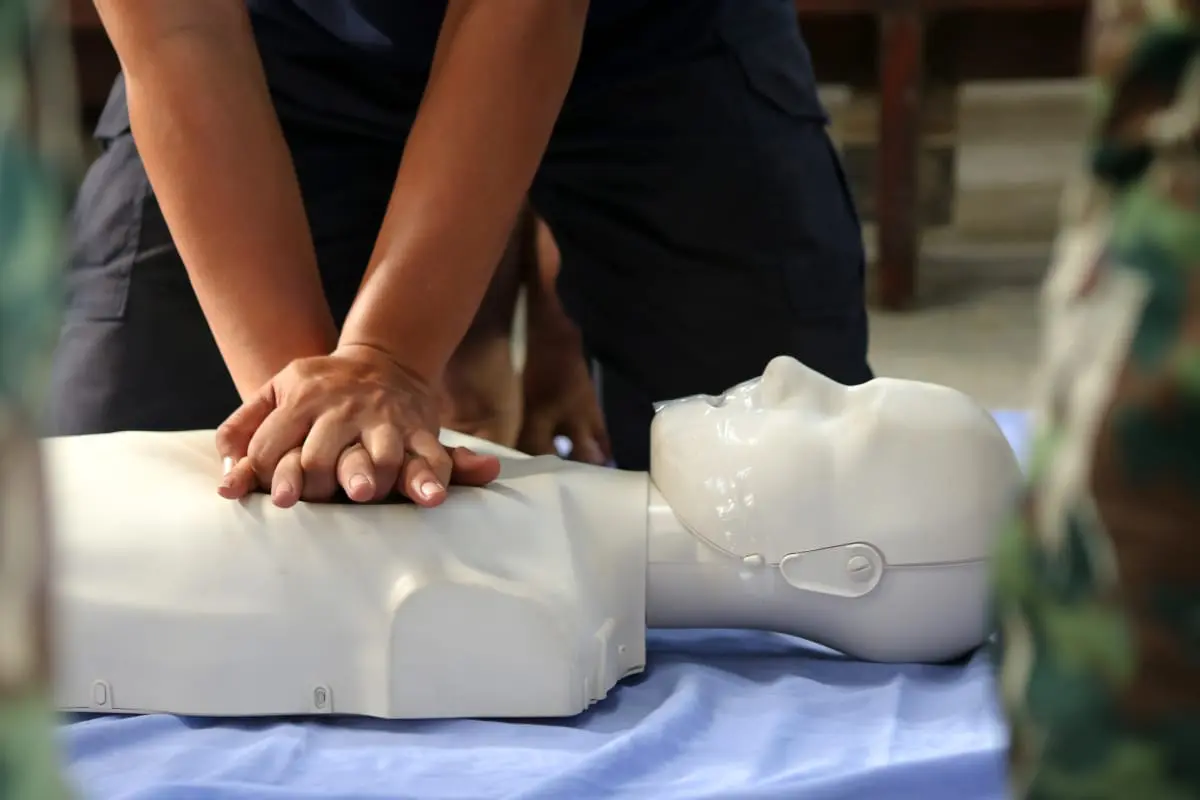
To perform CPR in this manner, place the heel of one hand of the center part of the victim’s chest and place the heel of the other hand over the first hand. Your shoulders should be positioned directly above the hands and the elbows should be locked in place.
Press down on the center of the chest, using enough force to cause the breastbone to sink to a depth of about two inches.
Compress the chest 30 times at a pace of around 100 to 120 times per minute, or just a bit more quickly than once each second. The chest should completely recoil between compressions.
Hands-only CPR or compression-only CPR can easily be performed by an untrained bystander at an emergency that is untrained. People who are trained to perform CPR, which includes breaths or mouth-to-mouth, should perform a cycle of 30 compression followed by two short and quick breaths.
While learning basic CPR covers lifesaving for adults, you can also receive training in providing CPR for infants. This approach is basically the same. You just need to remember the acronym CAB when performing any type of CPR. CAB is an acronym that stands for compressions, airways, and breathing – a helpful reminder when compressions and rescue breaths are used.
Learn CPR in Philadelphia
Philadelphians can make a large difference in their lives and the lives of others by committing themselves to learning CPR. You do not have to be a medical expert to take CPR training. All you need to do is devote a small portion of your time to learning the process. That small amount of time can mean life for someone else in an emergency. There are many classes near you offered by the American Heart Association in partnership with In-Pulse CPR. Take the initiative and sign up for a CPR class today.
Use of any advise on this site is purely at your own risk. The information supplied is designed to accompany CPR and first aid training not to replace. In-Pulse CPR, Inc disclaims any liability for losses you incur as a result of inaccuracy of the information provided on this website. Information on this site is for education, supplemental to examination by and advice of medical professionals. Any information regarding first aid treatments is not meant to replace the advice of medical professionals including physicians, paramedics, emergency room attendants, nurses or other licensed medical personnel.


 by Anonymous
 by Anonymous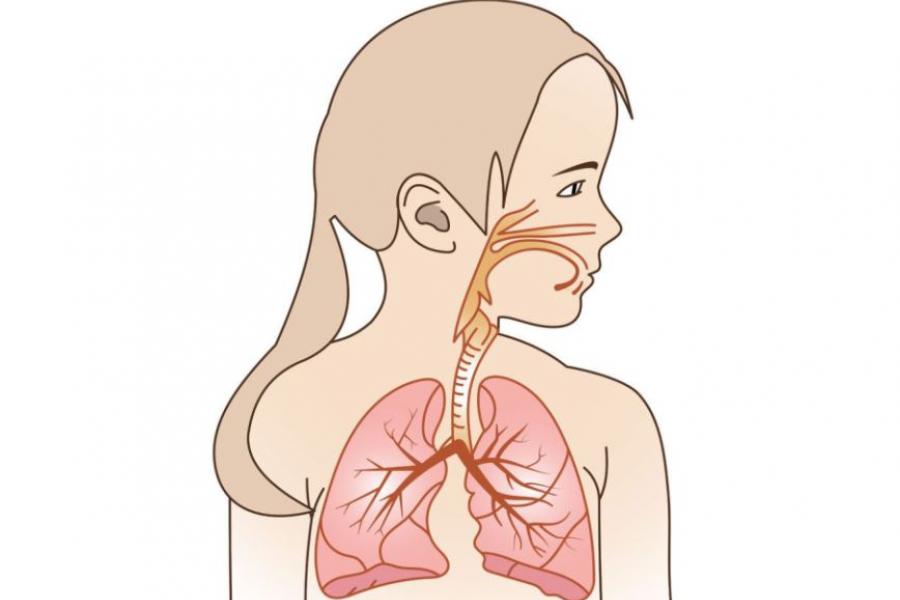
 by Siam B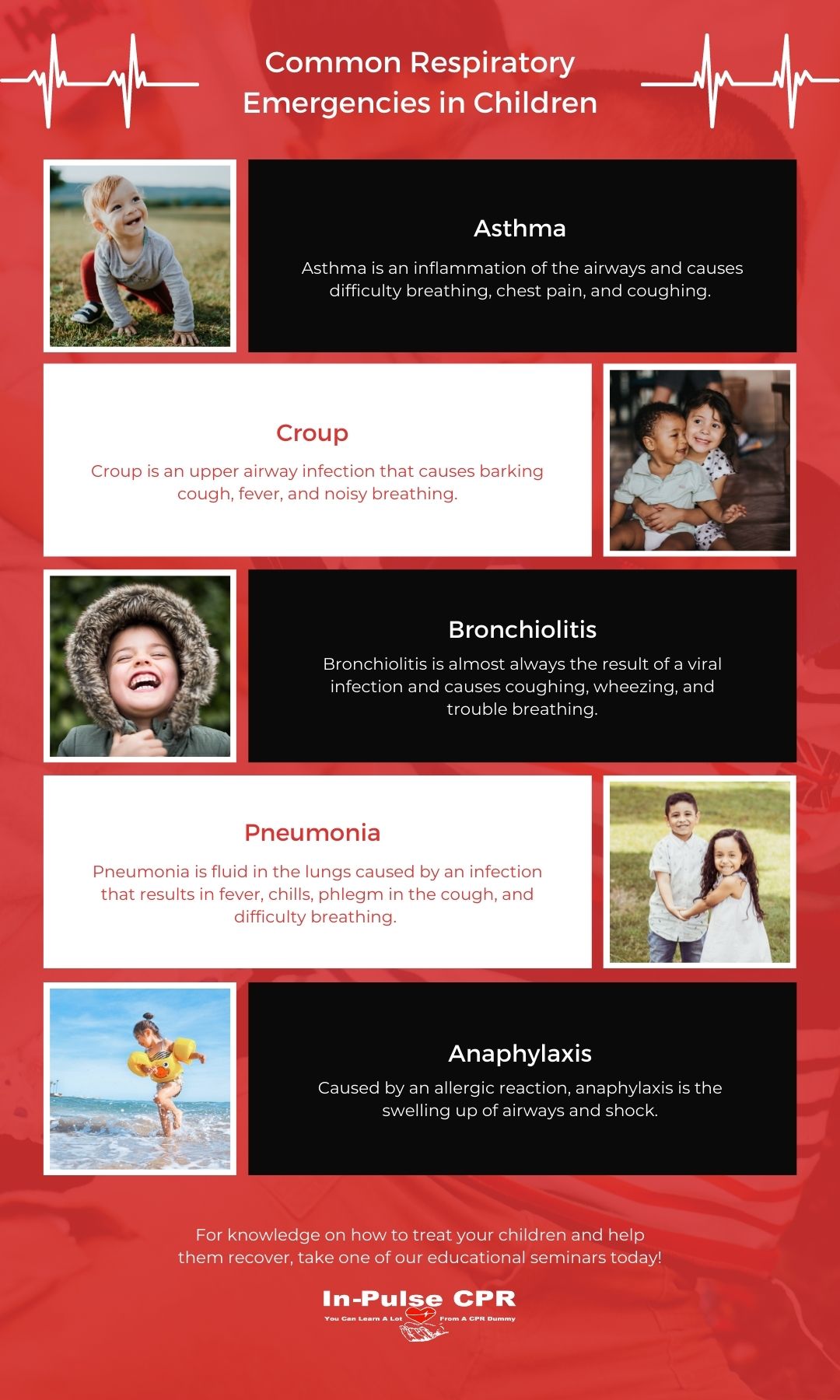







 by Karen Wasilewski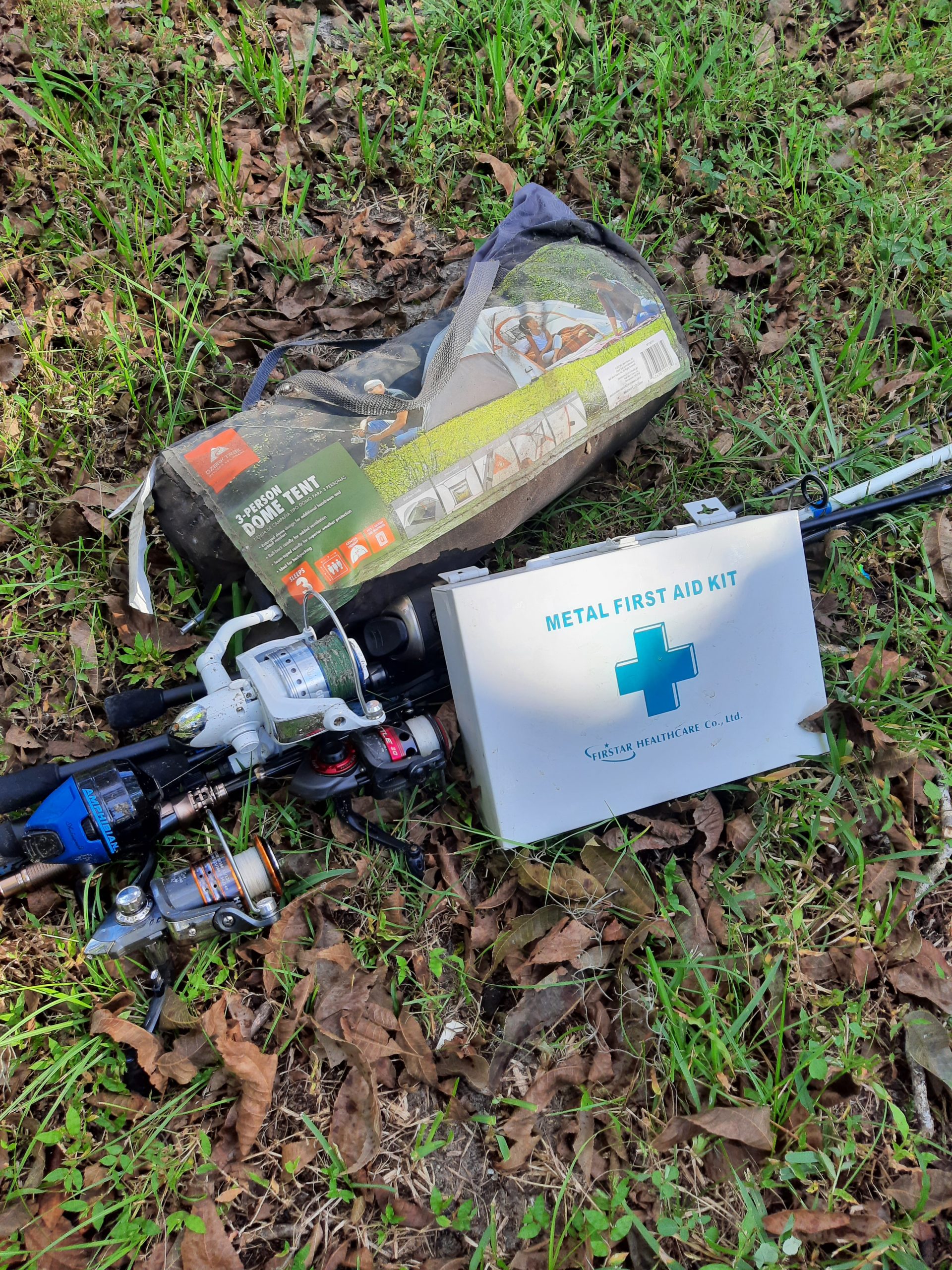
 by Melissa Grant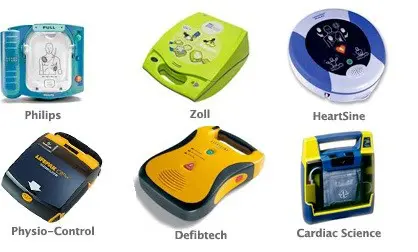
 by Elayne Bowman


 by Troy Bowman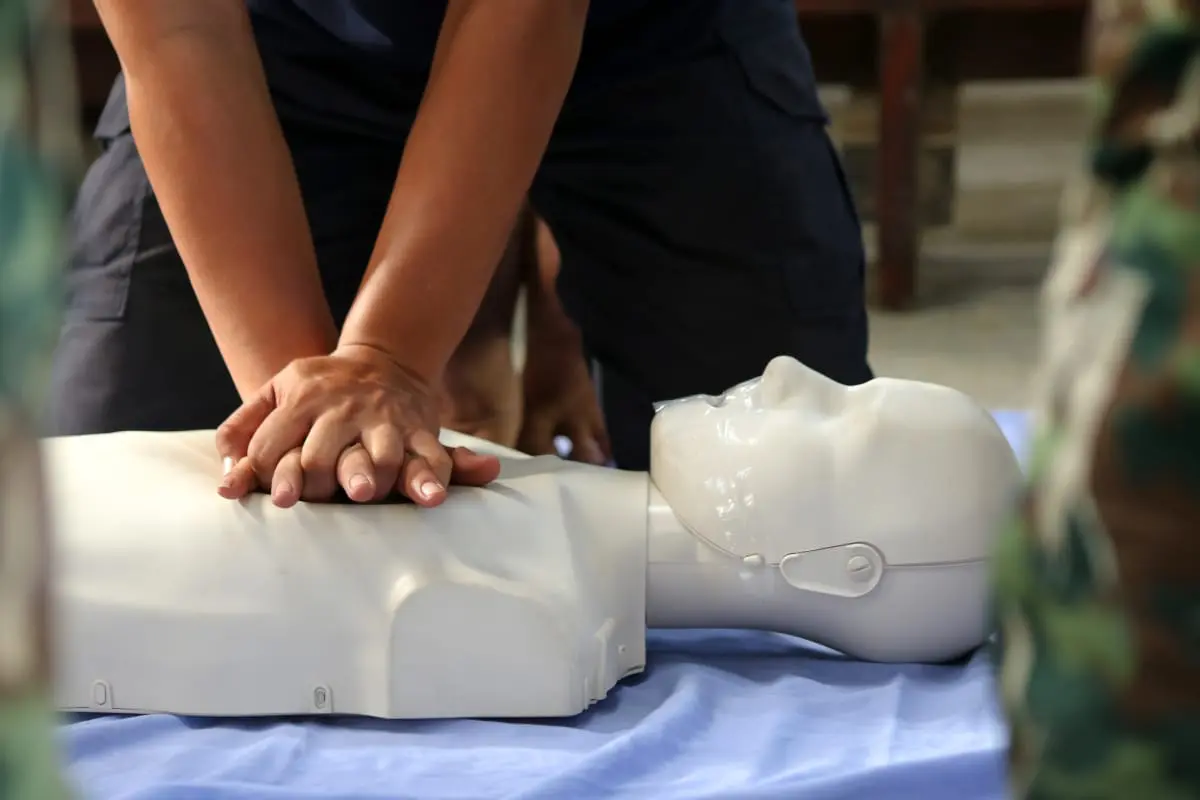
 by Donna Ryan